
Moving Heads Lighting Guide: Types, Uses & Buying Tips
Classification:
summary description]
When people search for moving heads lighting, they’re usually not looking for technical definitions.
They’re trying to solve a problem.
Maybe the stage looks flat.
Maybe the lighting feels outdated.
Or maybe they’ve seen powerful beam effects at a concert and want the same impact for their own venue.
This guide is written from the user’s point of view—clear, practical, and focused on real-world decisions rather than sales language.
What Moving Heads Lighting Actually Does
Moving heads lighting refers to intelligent stage fixtures that can rotate horizontally and vertically using built-in motors. Unlike static lights, these fixtures don’t just turn on and off. They move. They react. They create motion across the stage.
With a single unit, you can change:
- Light direction
- Colors and effects
- Beam shape and focus
- Speed and movement patterns
That flexibility is the main reason moving head lights have become a standard choice for professional lighting setups.
Why Moving Head Lights Are So Widely Used
From a user’s perspective, the appeal is straightforward.
Fewer Fixtures, More Effects
Instead of installing multiple traditional lights, one moving head can perform several roles. It saves space, simplifies setup, and reduces clutter on the truss.
Instant Visual Impact
Sharp beams cutting through haze. Smooth color washes across the stage. Fast movements that follow music or performance cues. These effects immediately make a venue feel more professional.

Adaptable for Different Events
The same moving heads lighting setup can work for:
- Live concerts
- DJs and clubs
- Wedding stages
- Church services
- Corporate presentations
That versatility matters, especially when budgets are limited.
Understanding the Main Types of Moving Heads Lighting
Many buyers make mistakes simply because they don’t know the difference between fixture types.
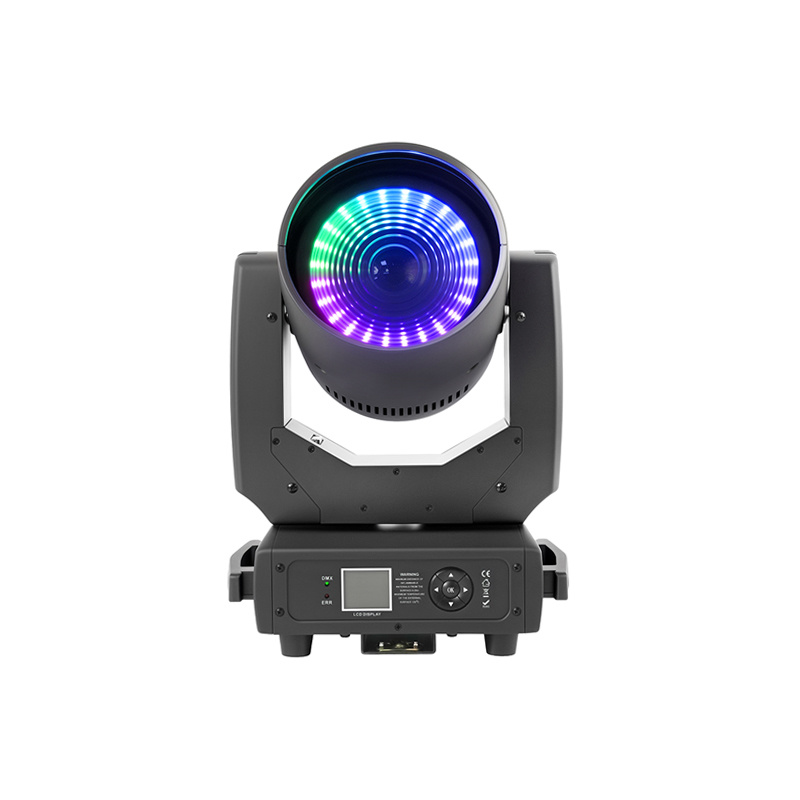
Beam Moving Head Lights
These produce a narrow, intense beam designed to travel long distances. You’ll often see them at concerts or festivals, creating aerial effects above the crowd.
Best choice if you want brightness and a strong visual punch.
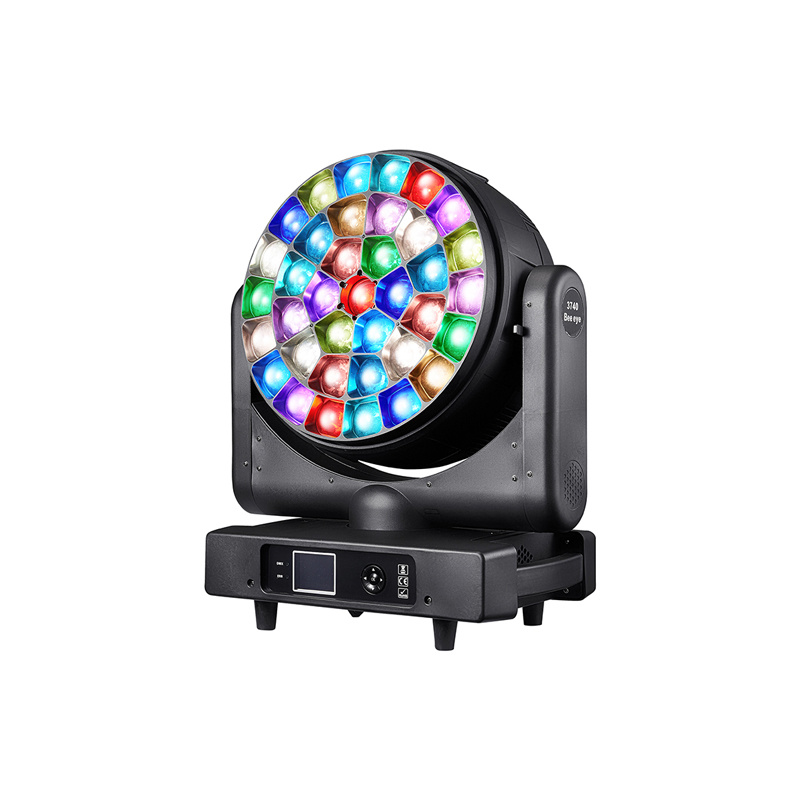
Wash Moving Head Lights
Wash fixtures focus on wide coverage and smooth color blending. They’re commonly used to light performers, backdrops, and stage environments.
Best choice for even illumination rather than sharp beams.
Spot Moving Head Lights
Spot lights allow pattern projection using gobos and offer adjustable focus. They’re popular in theaters and event productions where detail matters.
Best choice when patterns or logos are important.
Hybrid Moving Head Lights
Hybrid fixtures combine beam, wash, and spot functions into one unit. They cost more, but they reduce the number of fixtures needed.
Best choice for users who want flexibility without expanding their rig.
How to Choose the Right Moving Heads Lighting for Your Venue
This is where most users hesitate. The key is to match the light to your actual environment—not to marketing claims.
Venue Size Comes First
- Small rooms or mobile DJs: 60W–150W
- Medium venues and clubs: 200W–300W
- Large stages and outdoor events: 350W and above
Too little power leads to disappointing results. Too much power wastes the budget.
Control Options Matter
Most moving head lights support DMX512, which is essential for professional use. Auto and sound-activated modes are helpful, but DMX gives you full control.
If you plan to grow your setup over time, DMX compatibility is not optional.
Installation and Weight
Check how the fixture will be mounted. Truss systems, ceilings, and floor installations all have different requirements. Weight and size should never be ignored.
Long-Term Reliability
LED-based moving heads typically last longer, run cooler, and require less maintenance than traditional lamp-based fixtures. For most users, LED is the smarter long-term choice.
Common Problems Users Face (And How to Avoid Them)
“The light isn’t bright enough.”
This usually comes down to choosing a fixture with insufficient wattage or an overly wide beam angle for the space.
Solution: Match output power to venue size and lighting conditions.
“DMX control feels overwhelming.”
This is a common concern, especially for beginners.
Solution: Start with basic channel functions and preset scenes. Modern controllers and software are far more user-friendly than they used to be.
“The movement doesn’t look smooth.”
This often points to motor quality or incorrect speed settings.
Solution: Use professional-grade fixtures and fine-tune pan and tilt parameters.
Is Moving Heads Lighting a Smart Investment?
For most users, yes.
If you need lighting that adapts to different events, creates movement, and delivers a professional look, moving head lights offer strong value over time. A well-chosen fixture can remain useful for years and across many types of productions.
The key isn’t buying the most expensive model.
It’s buying the right one.
Final Thoughts
People searching for moving heads lighting are usually trying to improve how their stage looks and feels. With the right fixture, the difference is immediate—and noticeable.
Previous Page
More Cases


Online Message
Quick Links
Contact Information
Add: Room 301,Building 29,No.18 Tieshanhe Road,HuashanTown,Huadu District,Guangzhou, China.
Phone: +86 159 7549 0982
WhatsApp:+86 158 1889 3706