
Moving Head Lights DJ Guide for Clubs & Events
Classification:
summary description]
When people search for moving head lights DJ, they’re rarely just browsing. Most of the time, they’re trying to solve a specific problem—their lighting feels flat, their setup looks amateur, or their shows aren’t creating the impact they want.
Sound alone is no longer enough. Audiences expect movement, energy, and visual rhythm. The right moving head lights can completely change how a DJ's performance is perceived.
This article focuses on what DJs actually care about: usability, results, and value.
What DJs Really Mean by “Moving Head Lights”
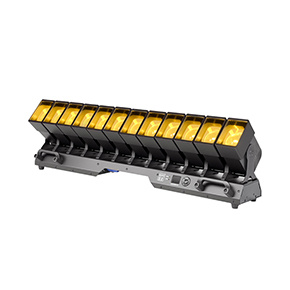
Moving head lights are intelligent fixtures that rotate horizontally and vertically, allowing the beam to move across the room. For DJs, that movement is the key difference.
Instead of static lighting that stays in one position all night, moving heads react. They follow the music. They build tension during breakdowns and explode during drops.
That’s why they’ve become a staple in:
- DJ booths
- Club lighting rigs
- Mobile DJ setups
- Small stages and event halls
For many DJs, moving head lights are the first step toward a truly professional-looking show.

Why DJs Rely on Moving Head Lights
They Create Energy Without Extra Gear
With just two or four fixtures, a DJ can cover an entire dance floor. Movement adds depth that static lights simply can’t provide. Even simple auto programs can make a set feel alive.
They Adapt to Different Types of Gigs
One night, you’re playing at a wedding. Next, a club set. Moving head lights can handle both. Slow color fades work for elegant events, while fast beam movements suit electronic or hip-hop nights.
They Improve How Clients Perceive You
Clients may not understand lighting technology, but they notice the difference. A DJ with moving head lights looks more professional, more experienced, and—most importantly—worth a higher fee.
Common Questions DJs Have Before Buying
“Which type of moving head light should I choose?”
This is one of the most common concerns.
- Beam moving head lights are best for high-energy music and visible light effects
- Wash moving head lights provide wide coverage and smooth color blending
- Spot moving head lights add patterns and texture using gobos
For most DJs, beam lights or hybrid models are the most practical starting point.
“Will moving head lights work in smaller venues?”
Yes—but only if you choose correctly.
Large, high-power fixtures can overwhelm low ceilings. In smaller venues, compact LED moving head lights with adjustable brightness are far more effective. Placement matters just as much as power.
Sometimes, less light, used well, creates a stronger effect.
“Do I need DMX experience to use them?”
Not necessarily.
Most DJ moving head lights offer sound-activated and auto modes. This allows beginners to plug in and perform immediately. As your experience grows, you can move into DMX control for more customized shows.
Features That Actually Matter to DJs
When choosing moving head lights DJ setups, focus on practical details—not marketing buzzwords.
- Brightness: Match output to venue size
- Movement quality: Smooth pan and tilt look far more professional
- Noise level: Quiet operation is essential for indoor and formal events
- Control options: DMX512 support keeps your setup expandable
- Durability: Especially important for mobile and touring DJs
A reliable fixture will save you stress during live performances.
How Many Moving Head Lights Should a DJ Use?
It depends on your typical gigs.
- Home practice or streaming: 1–2 units
- Mobile DJ or small events: 2–4 units
- Clubs or stage performances: 4–8 units
Adding more lights doesn’t always improve the show. Proper positioning and timing often matter more than quantity.
Are Moving Head Lights Worth the Investment?
For most DJs, yes.
Moving head lights often pay for themselves through better bookings, higher client satisfaction, and stronger visual impact. They help DJs stand out in crowded markets where everyone claims to offer “professional sound.”
Lighting is no longer optional—it’s part of the performance.
Final Thoughts
If you’re researching moving head lights, DJ, you’re likely ready to improve your setup. The goal isn’t to buy the most expensive equipment, but to choose lights that fit your venues, your music, and your workflow.
Previous Page
Previous Page
More Cases


Online Message
Quick Links
Contact Information
Add: Room 301,Building 29,No.18 Tieshanhe Road,HuashanTown,Huadu District,Guangzhou, China.
Phone: +86 159 7549 0982
WhatsApp:+86 158 1889 3706