
Moving Head Lights DJ Guide: Choosing the Best Fixtures
Classification:
summary description]
When DJs search for moving head lights, they usually have one goal in mind:
They want lighting that actually works in real performances—not just something that looks good on a product page.
Some DJs are upgrading from basic par lights. Others feel their current setup looks flat or outdated. And many are simply unsure which type of moving head light fits their venue, music style, or budget.
This guide is written from a DJ’s point of view, focusing on practical decisions, common doubts, and real usage scenarios.
Why Moving Head Lights Matter in DJ Performances
Music alone no longer carries a show.
Today’s audiences expect movement, energy, and atmosphere.
That’s exactly why moving head lights are so popular among DJs. Unlike static fixtures, they rotate, tilt, change colors, and react to sound. When used correctly, they turn a standard DJ set into a visually immersive experience.
For DJs, moving head lights help:
- Create motion that matches the rhythm of the music
- Keep the crowd visually engaged throughout the set
- Make small venues feel more dynamic and professional
Even a simple setup with two moving heads can dramatically change how a performance is perceived.
The Real Challenges DJs Face When Buying Moving Head Lights
Most DJs don’t struggle because of a lack of options.
They struggle because there are too many.
Too Many Types, Too Little Clarity
Beam, spot, wash, BSW.
These terms are everywhere, yet rarely explained in a way DJs actually understand.
Many DJs end up buying the wrong type and only realize it once they’re setting up at a gig.
Brightness That Looks Good Online—but Not on Stage
A common complaint:
“The light looked powerful in the video, but it disappears in the club.”
Brightness matters, especially in venues with ambient lighting or smoke effects. Not all moving head lights perform the same in real environments.
Complicated Controls That Kill Creativity
Some DJs love programming. Others don’t.
If a light requires constant tweaking just to look decent, it becomes a burden instead of a tool. DJs often want plug-and-play options with the flexibility to go deeper later.
Budget vs. Actual Use
Not every DJ needs advanced features like pixel mapping or custom gobos. Paying for functions you never use rarely makes sense.

Understanding the Main Types of DJ Moving Head Lights
Beam Moving Head Lights
Beam lights produce narrow, sharp beams that cut through fog and haze with ease. They are highly visible and rhythm-focused.
Best suited for:
- EDM and electronic music DJs
- Clubs with haze or fog machines
- High-energy dance floors
If visual impact is your priority, beam moving heads deliver.
Spot Moving Head Lights
Spot lights focus on projection. Gobos, patterns, and shapes are their strength.
Best suited for:
- Themed events
- Club stages and DJ booths
- DJs who want visual texture rather than pure brightness
They add character rather than raw intensity.
Wash Moving Head Lights
Wash moving heads spread light evenly across a wide area. Movement is smoother, and colors feel softer.
Best suited for:
- Wedding DJs
- Corporate events
- Lounges and mixed-use venues

They don’t overpower the room—they fill it.
BSW Moving Head Lights
BSW lights combine beam, spot, and wash into one fixture. They offer flexibility but come at a higher price.
Best suited for:
- DJs who work across multiple event types
- Professional setups that need adaptability
- Those who prefer fewer fixtures with broader functionality
How DJs Should Choose Moving Head Lights
Match the Light to the Venue Size
- Small venues: Compact LED moving heads (50–150W)
- Medium clubs: Stronger beam or spot fixtures
- Large stages: High-output beam or BSW models
Buying oversized lights for small venues often causes more problems than benefits.
Control Options Make a Big Difference
A DJ-friendly moving head light should offer:
- DMX512 control for advanced setups
- Sound-activated mode for quick gigs
- Auto programs for fast deployment
This flexibility allows DJs to adapt to different events without stress.
LED Is Usually the Smarter Choice
For DJs, LED moving head lights make sense because they:
- Use less power
- Run cooler
- Require less maintenance
- Last longer than traditional lamps
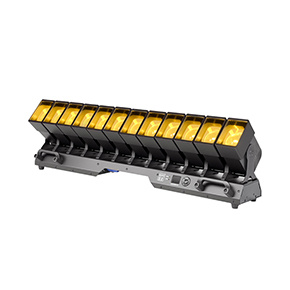
That matters when you’re transporting gear regularly.
Portability Matters More Than You Think
Mobile DJs should pay attention to:
- Fixture weight
- Housing strength
- Motor stability
Reliable movement is just as important as brightness.
Are Moving Head Lights Worth the Investment for DJs?
In most cases, yes.
Moving head lights:
- Elevate your visual presentation
- Make performances more memorable
- Increase perceived professionalism
Compared to static lighting, they give DJs creative freedom and adaptability. Over time, they often pay for themselves through better bookings and higher-value gigs.
Common Questions DJs Ask About Moving Head Lights
Are moving head lights hard to use?
Not really. Many models work straight out of the box with sound or auto modes.
How many moving head lights do DJs usually need?
Two units can already create balanced movement. Four or more are common for larger stages.
Can they be used without DMX controllers?
Yes. DMX is optional, not mandatory.
Are moving head lights suitable for outdoor events?
Only if the fixture is specifically rated for outdoor or waterproof use.
Why are LED moving heads preferred by DJs?
They’re efficient, durable, and better suited for frequent transport and long shows.
Final Thoughts
Choosing moving head lights for DJs is not about chasing specifications.
It’s about understanding how the light will perform in your real working environment.
When the fixture matches your venue size, music style, and control preferences, lighting stops being a distraction—and becomes part of your performance.
Previous Page
More Cases


Online Message
Quick Links
Contact Information
Address: A8 Building Meiwang Industrial Park, Guangtang south street, Huadu District,Guangzhou, China.
Phone: +86 158 1889 3706
WhatsApp:+86 158 1889 3706