
Buy LED Dance Floor | Guide to Choosing the Right LED Floor
Classification:
summary description]
If you’re searching for “buy LED dance floor,” chances are you’re trying to solve a real problem—maybe you’re launching a rental business, upgrading a venue, or preparing for a major event and want something that truly stands out. The challenge, however, is figuring out which type of LED dance floor actually meets your needs without wasting money or ending up with a product that fails during an event.
This guide breaks down the key things you should understand before buying, written from the perspective of someone who has been in your position and needed straightforward answers.
What Exactly Is an LED Dance Floor?
At its core, an LED dance floor is a modular system made of panels that light up with colors, patterns, or animations. Some react to music; others sync with lighting systems like DMX. Although the concept sounds simple, not all floors offer the same durability or brightness—and that’s usually what separates a cheap floor from a professional-grade one.
People buy LED dance floors for all kinds of purposes: weddings, nightclubs, stage shows, exhibitions, hotels, and even private events. Your application will largely determine the type of floor you should choose.
Why So Many People Search “Buy LED Dance Floor”
Behind the search intent, the goals are surprisingly similar. For example:
- Some buyers want to start or expand an event rental business and need a floor that sets up fast and survives heavy use.
- Others run clubs or bars and want a durable, eye-catching visual upgrade.
- A good portion are wedding planners or individuals preparing for their own event and simply want a floor that looks impressive without requiring complex setups.
- And there are users from stage production or corporate event teams who need reliable performance for larger shows.
No matter which category you fall into, the questions are mainly the same: Which model is reliable? How bright should it be? Wired or wireless? Is it safe? And of course—how much should you expect to pay?
Features That Actually Matter When Buying an LED Dance Floor
There are many technical terms thrown around in product descriptions, but only a few truly impact your experience.
1. Durability and Load Capacity
This is non-negotiable. For events with crowds or constant foot traffic, look for a floor rated for 500–600 kg/m² or higher. Rental businesses should especially prioritize reinforced frames or aluminum housings.
2. Wired vs. Wireless Panels
- Wireless magnetic systems are amazingly fast to install. Many rental companies prefer them because the time savings add up.
- Wired systems, on the other hand, are more stable for permanent installations like nightclubs.
Your use case will determine which makes more sense.
3. Surface Type
Tempered glass and anti-scratch acrylic are the most reliable. Floors without anti-slip coating may look good, but aren’t safe for events.
4. Control Options
DMX control is essential for stage and club use.
Small events may only need remote control or built-in programs.
More control generally means more flexibility.
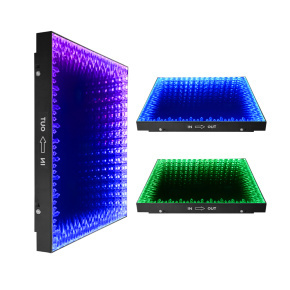
5. Installation and Portability
If you anticipate moving the floor often, consider how the panels lock together and how heavy they are.
Lightweight magnetic panels are ideal for quick setups, while wired panels may require more preparation.
6. Waterproofing
Outdoor events require at least IP54–IP65 protection.
Even if you plan to stay indoors, waterproofing adds longevity.
What Price Range Should You Expect?
Prices vary based on materials, brightness, and technology—not just size.
- Entry level: Small sets start around $1,500–$3,000, mainly for personal events or occasional use.
- Mid-range: Professional sets for regular rentals or weddings typically fall between $4,000–$7,000.
- High-end: Wireless magnetic systems or large setups for clubs and stages often exceed $8,000.
The final cost will depend on how many panels you need and the effects you want.
Common Concerns Buyers Have (and How to Avoid Them)
“Will it break if many people stand on it?”
Not if you choose commercial-grade materials. Double-check the load capacity.
“Is installation difficult?”
Wireless magnetic floors take minutes, not hours. Wired floors need more setup but are often more stable long-term.
“Is the brightness enough for a large venue?”
Avoid anything below 1,500 nits if you want clear visibility under strong lighting.
“Is the surface safe?”
Look for anti-slip and anti-scratch coatings. They make a huge difference.
“How do I handle repairs?”
Modular panels with replaceable power boxes are the easiest to maintain.
Who Should Consider Buying an LED Dance Floor?
You’ll benefit the most if you’re involved in:
- Event rentals
- Weddings or event planning
- Clubs and bars
- Hotels and entertainment venues
- Stage productions or live shows
A well-chosen LED dance floor can instantly elevate an event and increase both engagement and value.
How to Choose a Reliable Supplier
Before spending a dollar, check the following:
- Do they provide real installation videos, not just photos?
- Is there a warranty (1–2 years minimum)?
- Are the panels certified (CE, RoHS, FCC)?
- Can they provide replacement parts and technical support?
- Do they have experience manufacturing stage lighting or event equipment?
A trustworthy manufacturer should be able to answer these questions clearly.
Conclusion
Buying an LED dance floor doesn’t have to be confusing. Once you understand your intended use, compare durability, brightness, installation time, and control options, the decision becomes much easier. A well-built LED floor will last for years, raise the value of your events, and help you stand out in a crowded market.
FAQs
1. How big should my LED dance floor be?
Most weddings or private events use 16–25 panels, while stages or clubs may need 32–64 panels.
2. Can it be used outdoors?
Yes, but only if the product is rated at least IP54 for water resistance.
3. Are wireless LED floors stable enough?
Yes. They’re particularly useful for rental companies due to how quickly they install and remove.
4. How long is the lifespan?
A high-quality floor typically lasts 5–7 years, depending on usage.
5. Is panel replacement easy?
With modular designs, swapping a damaged panel can often be done in minutes.
Previous Page
More Cases


Online Message
Quick Links
Contact Information
Add: Room 301,Building 29,No.18 Tieshanhe Road,HuashanTown,Huadu District,Guangzhou, China.
Phone: +86 159 7549 0982
WhatsApp:+86 158 1889 3706