
What Are PAR Can Lights? Complete Guide to Choosing the Best LED PAR Lights
Classification:
summary description]
If you’re searching for par can lights, chances are you’re trying to figure out which type fits your stage, event, or venue—without getting lost in technical terms. Maybe you’ve seen PAR cans used in concerts or theaters, or you’re planning a wedding and want beautiful color washes. Whatever the reason, this guide breaks things down in a simple, user-friendly way so you can make a confident choice.
What Exactly Are PAR Can Lights?
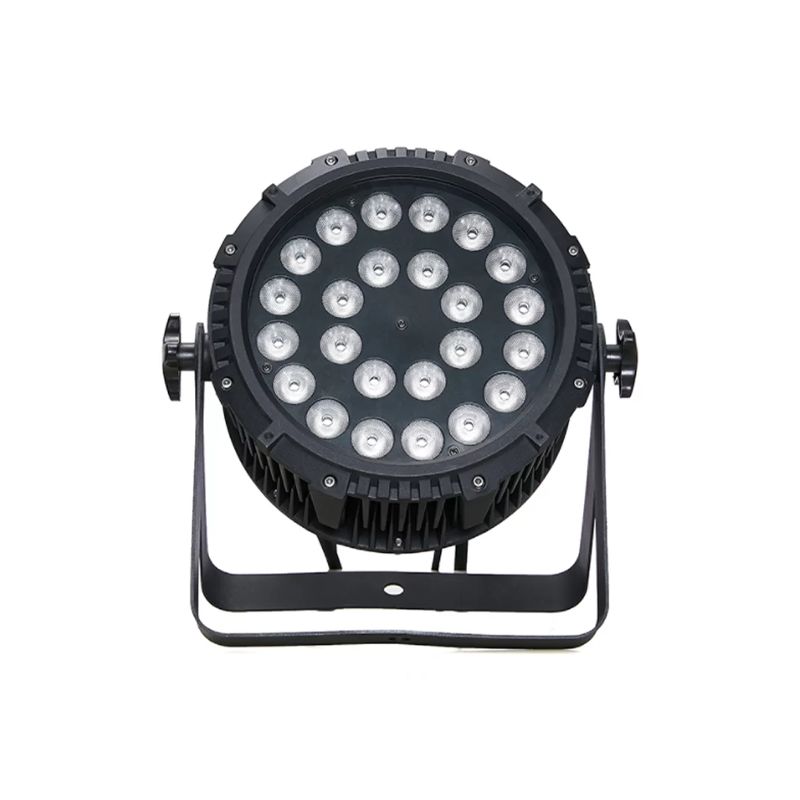
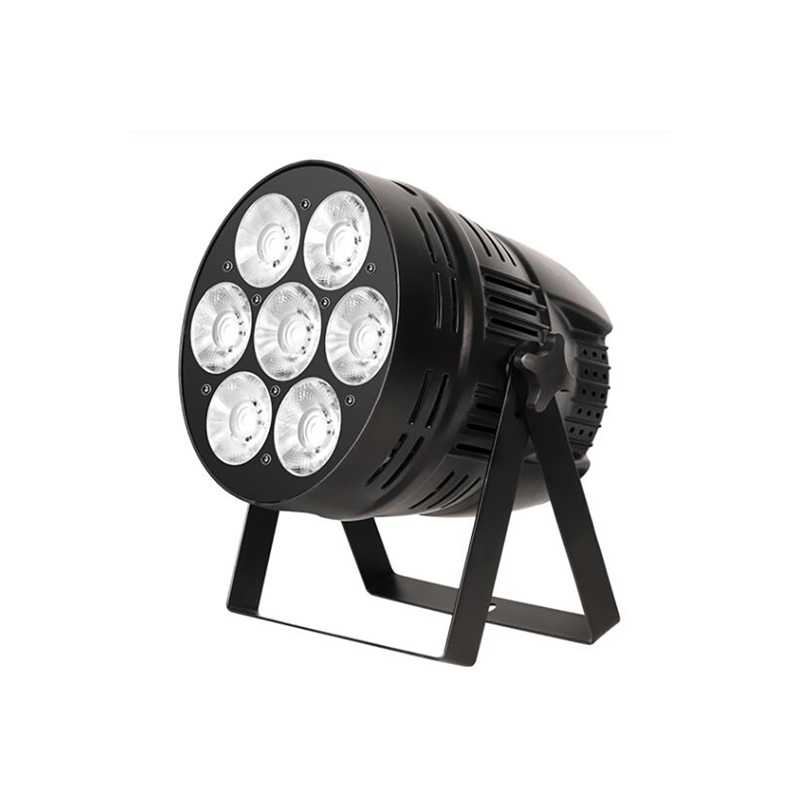
PAR can lights (short for Parabolic Aluminized Reflector) are among the most recognizable fixtures in the lighting world. They produce a bright, clean beam that can be used to wash a stage, highlight a performer, or bring color to walls and backdrops.
Traditional PAR cans used halogen lamps, but most of today’s models are LED-based, which means lower heat, richer colors, and a much longer lifespan. They’re used everywhere—from nightclubs and churches to concerts, event halls, and small home studios.
Why People Search for PAR Can Lights (and What They Really Want to Know)
Different users arrive with different questions. Here are the most common ones:
- “Which PAR should I buy?”
- “Is LED better than halogen?”
- “How many lights do I need to cover my stage?”
- “Can these lights sync with music or DMX controllers?”
If any of these questions sound like yours, you’re exactly the kind of user this guide is written for.
Why LED PAR Can Lights Are the Preferred Choice Today
Let’s be honest: LED PAR cans are not just the modern option—they’re the practical one. Here’s why:
Low Heat, High Brightness
LED PAR cans stay cool while still delivering strong illumination. This is important for indoor venues, small stages, or events where equipment might be close to guests.
Endless Color Options
Most LED PARs offer RGB or RGBW mixing. Want a warm wash for a wedding? No problem. Need vivid colors for a DJ show? Also easy.
Long Lifespan and Low Energy Costs
LED lamps often last 30,000–50,000 hours. Once they’re installed, they just work.
DMX Control Made Simple
Even beginners can set up scenes, color changes, or sound-activated effects. DMX controllers give you full control, but most PAR cans also include built-in automatic programs.
Lightweight and Easy to Install
They’re designed for quick mounting on trusses, stands, or walls. No special tools required.
How to Choose the Right PAR Can Lights (Without Overthinking It)
Start With Your Purpose
Your use case determines the type of PAR you need. For example:
Event Planners
Wide beam, soft color mixing, and the ability to wash large surfaces.
DJs or Club Owners
Look for brighter PAR cans with built-in effects and solid DMX control. RGBWA+UV options can create unique tones you won’t get otherwise.
Theaters and Stages
Uniform coverage is key. Consistent brightness matters more than special effects.
Churches
Quiet cooling and natural white tones often work best. Wireless options can make installation cleaner.
Beam Angle: A Detail That Matters More Than You Think
Beam angle affects how light spreads:
- 10°–25°: Narrow and focused — great for highlighting specific areas.
- 25°–45°: Wide wash — ideal for covering stages, walls, or backdrops.
If you’re unsure, a wide beam angle is usually the safer choice.
Should You Choose Wireless PAR Cans?
Wireless PAR cans aren’t necessary for everyone, but they’re extremely convenient for:
- Wedding planners
- Hotels and banquet halls
- Outdoor temporary events
- Users who want clean, cable-free setups
They’re more expensive but save a lot of setup time.
Questions Users Often Ask About PAR Can Lights
1. How many PAR cans do I need?
For a small stage (4–6 meters wide), 4–8 fixtures usually give smooth coverage.
2. Can PAR cans be used outdoors?
Only if they’re IP65 waterproof; otherwise, moisture may damage the LEDs.
3. Are they hard to use with DMX?
Not at all. Modern fixtures have simple menus, pre-programmed scenes, and clear DMX charts.
4. Can they be used for video or livestreaming?
Yes—just make sure the model is flicker-free.
Conclusion: The Best PAR Can Light Is the One That Matches Your Real Needs
Choosing PAR can lights doesn’t need to be complicated. Focus on the basics:
- Go with LED for long-term value and flexibility
- Pick a beam angle based on the size of your space
- Decide whether you need DMX, wireless, or RGBW color mixing
- Select brightness and features based on how the lights will actually be used
Once you understand your space and purpose, finding the right PAR can be straightforward.
Previous Page
Next Page
Previous Page
Next Page
More Cases


Online Message
Quick Links
Contact Information
Add: Room 301,Building 29,No.18 Tieshanhe Road,HuashanTown,Huadu District,Guangzhou, China.
Phone: +86 159 7549 0982
WhatsApp:+86 158 1889 3706