
LED Dance Floor for Sale | Buyer’s Guide & Key Features
Classification:
summary description]
Searching for an LED dance floor for sale usually means you have a real need—an upcoming event, a venue upgrade, or a new idea for your rental business. But most buyers quickly discover the same problem: the market is crowded with similar-looking products, and it’s hard to tell which ones are worth buying.
This guide is here to help you cut through the noise and choose the right floor based on real user needs, not vague marketing promises.
Why LED Dance Floors Are So Popular
LED dance floors have become a signature element in weddings, clubs, hotels, and stage productions. They don’t just light up; they completely change the atmosphere.
A good LED floor turns a regular space into something people want to step onto—and once they do, they rarely forget the experience.
Most buyers choose an LED dance floor because it:
- Highlights the event immediately
- Offers flexible lighting scenes
- Encourages people to actually use the dance area
- Works well with other lighting or stage effects
- Helps rental companies increase the value of their packages
But none of these benefits matter unless you buy the right type of floor.
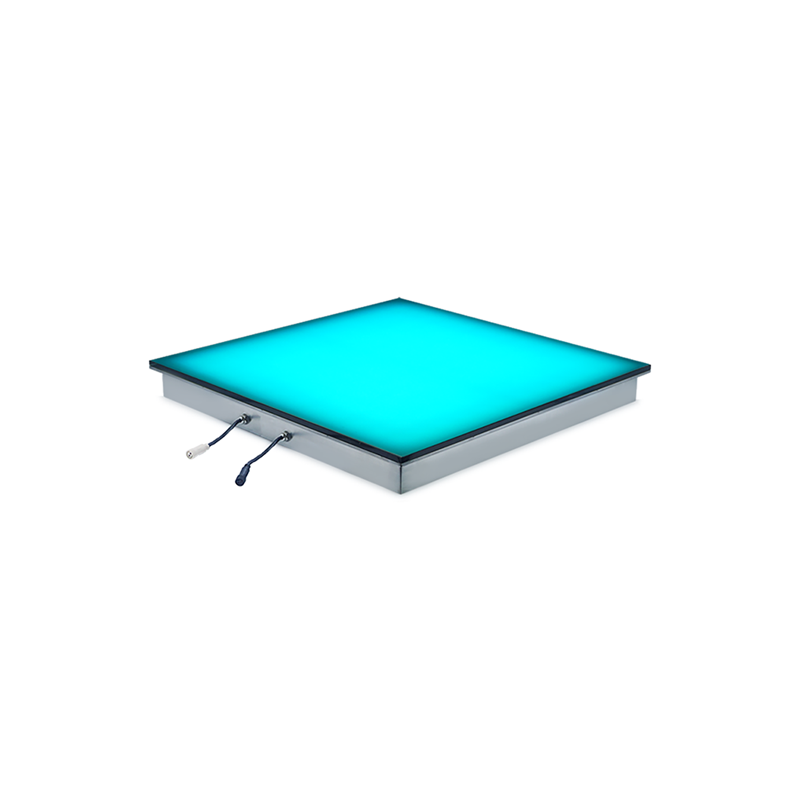
Types of LED Dance Floors for Sale (and Who They’re For)
Not all LED floors serve the same purpose. Before comparing prices, figure out which type fits your needs.
1. Wireless LED Dance Floor
If you’re running a mobile event business and need a fast setup, this is the one.
No connecting wires between panels, no messy layout, easy to carry, and quick to charge.
Yes, the price is higher, but the convenience saves hours of labor.
2. Wired LED Dance Floor
A more stable option for permanent venues.
Clubs, hotels, bars, and showrooms prefer this type because it delivers steady brightness and long operating hours.
Lower cost, stronger reliability.
3. Interactive LED Dance Floor
These panels light up when stepped on.
Kids love it. Adults love it. Corporate events and entertainment venues love it.
If you want maximum engagement, this type stands out.
4. 3D or Infinity Mirror LED Floor
This one is mostly about visual impact.
The illusion of depth is dramatic and instantly becomes a photo hotspot at weddings or concerts.
What Really Matters When Choosing an LED Dance Floor
Many buyers get confused by technical specs. In reality, only a few features truly affect performance.
Weight Capacity
A reliable floor should handle 500–800 kg per square meter, minimum.
Anything less can crack under heavy load or repeated jumps.
Brightness and LED Quality
Some floors look amazing on video but underwhelming in person.
Real quality shows in color uniformity, brightness under stage lighting, and how smooth the color transitions are.
Panel Material
Acrylic is lighter and widely used.
Tempered glass is stronger but heavier.
What matters most is whether the surface is anti-slip and scratch-resistant.
Control System
Basic models use simple remotes.
Professional users—especially stage or club owners—typically choose DMX512 or PC software control to create synchronized lighting effects.
Installation Process
Ask the supplier about the locking system.
Magnetic and quick-lock structures can save a huge amount of time, especially for rental companies.

How Much Does an LED Dance Floor Cost?
Prices vary widely. A rough estimate looks like this:
TypeApprox. Price (per square meter)
Wired LED dance floor $200 – $380
Wireless LED dance floor $300 – $600
Interactive LED floor $450 – $800
3D infinity floor $260 – $480
If the price sounds unrealistically low, it usually is.
Cheap LEDs fade quickly, surfaces scratch easily, and the panels may not lock firmly.
Should You Buy or Rent?
It depends on how often you use it.
Buying makes sense if:
- You host events regularly
- You own a venue
- You run a wedding or party rental business
- You want a long-term asset instead of constant rental fees
Renting makes sense if:
- You only need it once
- Storage space is limited
- You want to test different styles before purchasing
Most buyers who search “LED dance floor for sale” already lean toward buying—they just need clarity on which type is right.
Common Issues Buyers Face (and Easy Ways to Avoid Them)
Over the years, users have reported a few repeated problems:
Panels Don’t Fit Together Smoothly
This usually comes from poor manufacturing tolerance.
Choose suppliers with strong quality control.
Brightness Looks Different from the Video
Always request real, unedited photos or videos from previous customers.
Complex Installation
If you’re renting out the floor, avoid anything that requires tools or long assembly.
Weak After-Sales Support
LED floors sometimes need spare parts.
Ask about warranty terms and technical support before placing an order.
Conclusion: Choose the LED Dance Floor That Fits Your Purpose
An LED dance floor is more than just decoration—it’s a feature that shapes the atmosphere of any event.
When you choose based on real usage, not just price, you get a product that looks good, lasts long, and pays for itself through repeat events or increased venue value.
Whether you’re upgrading a nightclub, preparing for wedding seasons, or expanding your rental inventory, the right LED dance floor can turn any ordinary space into a memorable experience.
FAQ
1. Are LED dance floors safe to walk or jump on?
Yes. High-quality floors are slip-resistant and built for heavy loads.
2. Can LED dance floors be used outside?
Only the waterproof versions. Always check the IP rating.
3. How long does installation take?
For wireless models, often under 20 minutes. Wired systems take longer, depending on size.
4. What size is recommended?
Weddings usually use 4×4m to 6×6m.
Clubs or larger venues often choose bigger configurations.
More Cases


Online Message
Quick Links
Contact Information
Add: Room 301,Building 29,No.18 Tieshanhe Road,HuashanTown,Huadu District,Guangzhou, China.
Phone: +86 159 7549 0982
WhatsApp:+86 158 1889 3706