
What Is a PAR Lamp? Complete Guide to PAR Lighting
Classification:
summary description]
If you're new to stage lighting, the term PAR lamp can be surprisingly confusing.
Some websites describe it as a bulb. Others call it a lighting fixture. Many product pages simply assume you already understand what PAR means.
The reality is much simpler: PAR lamps are widely used in entertainment lighting.
A PAR lamp is one of the most widely used lighting solutions in the entertainment industry. From concerts and theaters to nightclubs, churches, and outdoor events, PAR lighting has been helping professionals create focused and powerful illumination for decades.
Whether you're purchasing lighting for a small DJ setup or planning a complete stage installation, understanding how PAR lamps work will help you choose the right equipment and avoid costly mistakes.
What Is a PAR Lamp?
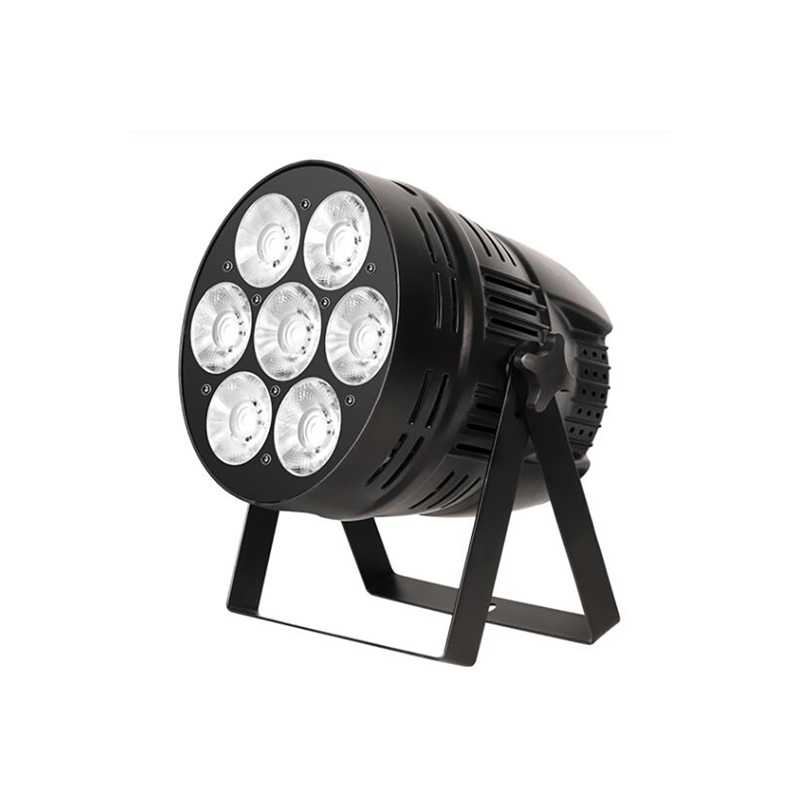
A PAR lamp (Parabolic Aluminized Reflector lamp) is a directional lighting fixture designed to produce a concentrated beam of light.
Unlike ordinary household bulbs that spread light in every direction, PAR lamps are built to push light forward with better control and efficiency.
The name comes from the internal reflector design. The parabolic aluminum reflector works with the lens and light source to create a stronger, more consistent beam.
Originally developed for aircraft lighting applications, PAR lamps later became extremely popular in professional entertainment environments because they are simple, reliable, and easy to control. That is why they are now found in many settings.
Today, they are commonly found in:
- Concert stages
- Nightclubs
- Theaters
- Churches
- Wedding venues
- TV studios
- Exhibition halls
- Architectural lighting projects
Although traditional halogen PAR lamps are still available, modern LED PAR lights have become the preferred choice for most professional users. To see why, it helps to look at how a PAR lamp works.
How Does a PAR Lamp Work?
The working principle of a PAR lamp is relatively straightforward.
A traditional PAR lamp contains three main optical components:
Reflector
The parabolic reflector collects and redirects the light produced by the source. This prevents unnecessary light loss and helps create a more focused beam.
Light Source
Older PAR lamps usually used halogen bulbs. Modern versions typically use high-power LEDs because they offer better efficiency and longer operating life.
Lens
The front lens controls how widely the light spreads. By changing the lens design, manufacturers can create narrow spot beams or wider wash effects.
These three parts work together as one system.
That is why PAR lighting can deliver consistent output even in demanding environments such as live performances and touring productions. To understand that performance, the next step is to look at what PAR means in lighting.
What Does PAR Mean in Lighting?
Many people think PAR is a lighting effect, but it actually refers to the construction of the lamp.
PAR stands for:
Parabolic Aluminized Reflector
The number after PAR shows the lamp's diameter in eighths of an inch.
For example:
| PAR16 | 2 inches |
| PAR20 | 2.5 inches |
| PAR30 | 3.75 inches |
| PAR38 | 4.75 inches |
| PAR56 | 7 inches |
| PAR64 | 8 inches |
For example, PAR56 and PAR64 models have historically been the most popular because they provide strong output for larger spaces.
Traditional PAR Lamp vs LED PAR Light
If you are buying lighting equipment today, this is usually the biggest decision.
Should you choose a traditional halogen PAR lamp or an LED PAR light?
Older venues may continue using halogen fixtures because they are familiar and easy to replace. However, most new installations choose LED technology because long-term operating costs matter.
Here is a simple comparison:
| Light Source | Halogen | LED |
| Power Consumption | High | Low |
| Heat Output | Very High | Much Lower |
| Lifespan | Around 2,000-4,000 hours | 30,000-50,000 hours |
| Color Options | Uses color gels | RGB/RGBW color mixing |
| Maintenance | Frequent replacement | Minimal maintenance |
| Control | Basic dimming | DMX intelligent control |
For event companies, rental businesses, and permanent installations, LED PAR lights usually provide better value over time. With that in mind, it helps to look at where PAR lamps are used.
Where Are PAR Lamps Used?
One reason PAR lighting remains popular is its flexibility, which is easiest to see across different industries.
Different industries use PAR lamps for different purposes.
Stage Performances
On stage, PAR lights are commonly used for front lighting, side lighting, and background effects.
They help performers remain visible while creating atmosphere and depth.
Concerts and Live Events
Concert lighting designers often combine multiple LED PAR fixtures to create colorful stage washes that match music, video effects, and performance themes.
Nightclubs
In clubs, PAR lights are used to create energetic environments through dynamic colors and changing lighting scenes.
Many installations combine PAR lights with moving heads, lasers, and effect lighting for a complete show experience.
Weddings and Events
Wedding planners often choose PAR lighting because it can quickly transform a simple venue into a more attractive space.
Warm white PAR lights are especially popular for elegant decorations and stage areas.
Churches and Conference Venues
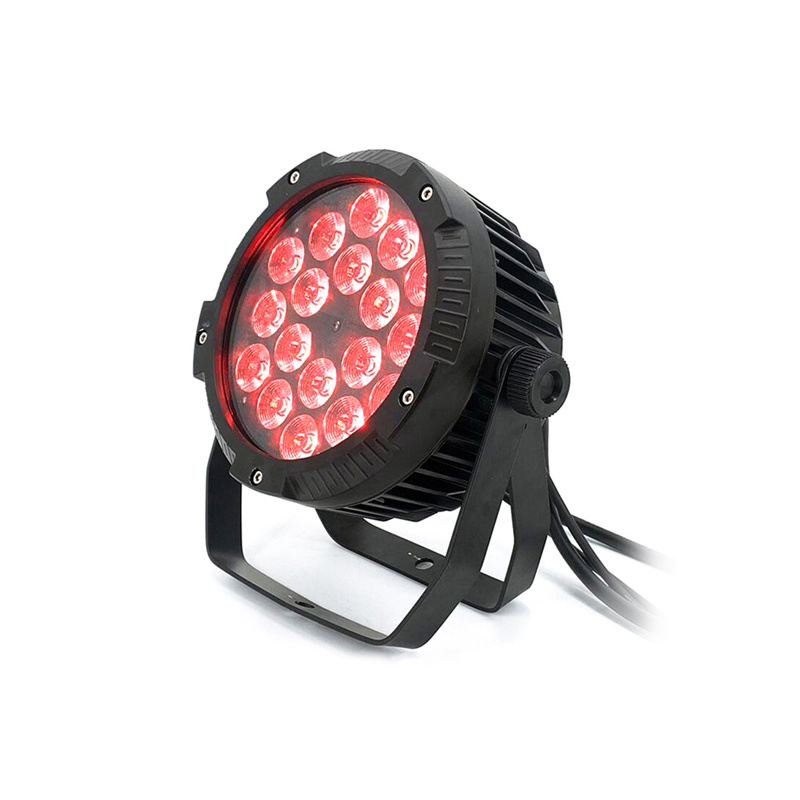
Many churches and meeting spaces replace older halogen fixtures with LED PAR lights because they generate less heat and require less maintenance.
Understanding PAR Lamp Beam Angles
Choosing the correct beam angle is just as important as choosing the fixture itself.
A powerful PAR light with the wrong beam angle may not produce the result you expect.
Narrow Beam (10°-15°)
Best for:
- Spotlighting performers
- Highlighting objects
- Long-distance lighting
The beam stays concentrated and travels farther.
Medium Beam (25°-40°)
Suitable for:
- Small stages
- Events
- Retail displays
- General performance lighting
This is one of the most commonly used ranges.
Wide Beam (60° or More)
Ideal for:
- Wall washing
- Background lighting
- Large areas
- Decorative illumination
A wider beam covers more space but reduces intensity over distance.
How to Choose the Right PAR Lamp
There is no single PAR lamp that works perfectly for every project.
The right choice depends on where you plan to use it and what effect you want to create.
Consider the Venue Size
A small event room does not require the same output as a large concert stage.
Using too much power in a small space can create uncomfortable brightness, while insufficient output in a large venue will make the lighting look weak.
Check Indoor or Outdoor Requirements
For outdoor applications, weather protection is important.
Look for fixtures with suitable IP ratings, especially if they will be exposed to rain, humidity, or dust.
Choose the Right Color System
For basic lighting, white LED PAR lights may be enough.
For entertainment applications, RGB or RGBW LED PAR lights provide much more creative control.
They allow users to create different colors without installing additional filters.
Check Control Compatibility
Professional lighting systems often require:
- DMX512 control
- RDM support
- Wireless DMX options
These features make it easier to synchronize multiple fixtures and create programmed lighting scenes.
Common Mistakes When Buying PAR Lights
One mistake appears frequently among first-time buyers.
They compare fixtures only by wattage.
Unfortunately, wattage does not tell the complete story.
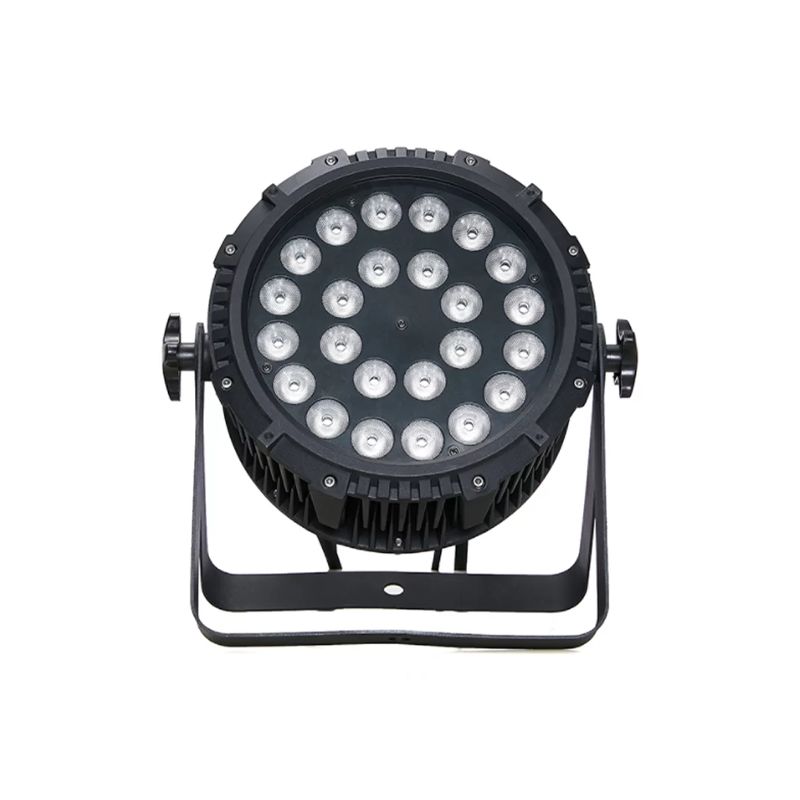
Two PAR lights with the same power rating can produce completely different results depending on:
- LED chip quality
- Optical lens design
- Beam angle
- Color mixing system
- Driver performance
Professional lighting buyers usually pay more attention to actual brightness, color consistency, reliability, and after-sales support.
The cheapest fixture is not always the most economical choice in the long run.
PAR Light vs Moving Head Light: What's the Difference?
Although both are used in stage lighting, they serve different purposes.
A PAR light is mainly designed for wash lighting.
It stays in a fixed position and provides consistent illumination over an area.
A moving head light, however, can rotate, tilt, zoom, and create moving effects.
For concerts and large productions, these fixtures are often used together:
- PAR lights create overall color and atmosphere.
- Moving heads create motion and visual impact.
- Moving heads create motion and visual impact.
They are complementary rather than competing products.
Frequently Asked Questions About PAR Lamps
Are PAR lamps still used today?
Yes.
However, most professional users now choose LED PAR lights instead of traditional halogen versions because they consume less power, produce less heat, and require less maintenance.
Are LED PAR lights better than halogen PAR lamps?
For most applications, yes.
LED PAR lights provide longer lifespan, better energy efficiency, and more advanced color control.
Can PAR lights change colors?
Traditional PAR lamps need external color filters.
LED PAR lights can create different colors electronically through RGB or RGBW LED technology.
How many PAR lights do I need for a stage?
It depends on:
- Stage size
- Venue layout
- Lighting purpose
- Required brightness
- Installation height
A small DJ booth may only need several fixtures, while a professional concert stage may require dozens.
Final Thoughts
A PAR lamp may look simple, but it remains one of the most important lighting tools in professional entertainment.
From traditional halogen fixtures to today's advanced LED PAR lights, the technology has continued to improve while keeping the same basic purpose: delivering reliable, controlled illumination.
When choosing a PAR light, don't focus only on price or wattage. Consider the beam angle, color options, control system, build quality, and long-term reliability.
Previous Page
More Cases


Online Message
Quick Links
Contact Information
Address: A8 Building Meiwang Industrial Park, Guangtang south street, Huadu District,Guangzhou, China.
Phone: +86 158 1889 3706
WhatsApp:+86 158 1889 3706