
Stage Lighting OEM Manufacturer | Custom Lighting Factory
Classification:
summary description]
Finding a reliable stage lighting OEM manufacturer is not simply about finding a factory with the lowest quotation.
For many buyers, the real challenge starts after the first conversation.
Can the manufacturer maintain consistent quality when production volume increases?
Can they customize products according to your market requirements?
Will they provide technical support when problems appear after delivery?
Can they customize products according to your market requirements?
Will they provide technical support when problems appear after delivery?
These questions matter because stage lighting is not a simple electronic product. Instead, a lighting fixture used in a nightclub, concert, theater, or event venue needs to perform reliably under continuous operation.
A supplier who only focuses on production cost may save you money at the beginning but create much higher expenses later through product failures, customer complaints, and after-sales issues.
That is why more brands, distributors, and event equipment companies choose to work with experienced stage lighting OEM manufacturers rather than simply purchasing standard products from trading companies.
What Does a Stage Lighting OEM Manufacturer Actually Do?
A stage lighting OEM manufacturer produces lighting equipment that is sold under another company's brand name.
The cooperation model can be simple or highly customized.
Some customers only need:
- Custom logo printing
- Brand packaging
- Product labels
- User manuals
Others require deeper cooperation, including:
- New product development
- Mechanical structure design
- Lighting effect customization
- Firmware modification
- Control system integration
- Exclusive product appearance
For example, a stage equipment distributor may already understand what customers want in their local market, but not have the resources to develop products independently.
An experienced OEM manufacturer fills this gap by providing production capability, engineering support, and supply chain resources.
Why Do Stage Lighting Brands Prefer OEM Manufacturing?
Building a lighting factory from scratch sounds attractive, but the reality is more complicated.
Manufacturing requires much more than assembly.
A professional stage lighting production system involves:
- LED sourcing
- Optical design
- PCB development
- Power supply selection
- Thermal management
- Mechanical processing
- Software programming
- Quality testing
- Packaging solutions
For a growing brand, investing in all these areas requires significant time and capital.
Building sales channels
- Building sales channels
- Developing customer relationships
- Marketing products
- Managing projects
while the factory handles product development and production.

Who Usually Works With Stage Lighting OEM Manufacturers?
OEM manufacturing is widely used across the entertainment industry. In practice, typical customers include:
Typical customers include:
Stage Lighting Brands
Many lighting brands prefer OEM production because it allows them to expand their product range without owning manufacturing facilities.
They can launch:
- Moving head lights
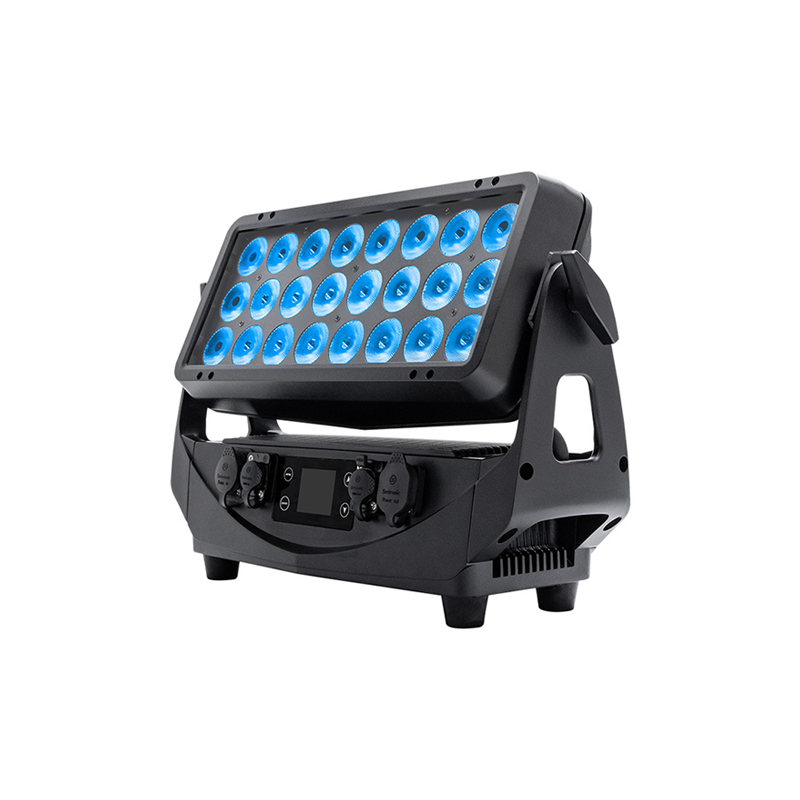
- LED wash lights
- Beam lights
- Effect lighting
- Kinetic lighting systems
under their own brand identity.
Lighting Distributors and Wholesalers
Distributors often need products that match their local market. For example, they may need:
For example:
A European distributor may require CE-certified products with specific power plugs.
A Middle East supplier may need high-temperature operating performance.
A rental company may focus more on durability and maintenance costs.
A flexible OEM manufacturer can adjust products based on these requirements.
Event Production Companies
Large event companies often need customized lighting solutions for specific projects. In many cases, standard products may not always meet their creative requirements.
Standard products may not always meet their creative requirements.
OEM manufacturers can help develop unique lighting effects, special structures, or integrated control systems.
What Products Can a Stage Lighting OEM Factory Produce?
A professional stage lighting OEM manufacturer usually offers a wide product range. Common categories include:
Common categories include:
Moving Head Lighting
Including:
- Beam moving heads
- Spot moving heads
- Wash moving heads
- Hybrid moving heads
These products require precise optical systems, stable motors, and reliable control performance.
LED Effect Lighting
Effect lighting is widely used in clubs, concerts, and entertainment venues.
Examples include:
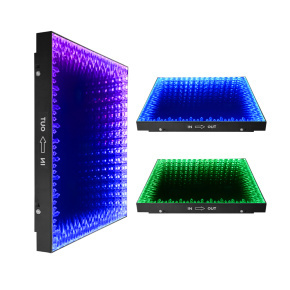
- LED tubes
- Matrix lights
- Blinder lights
- Pixel lights
- Decorative effect fixtures
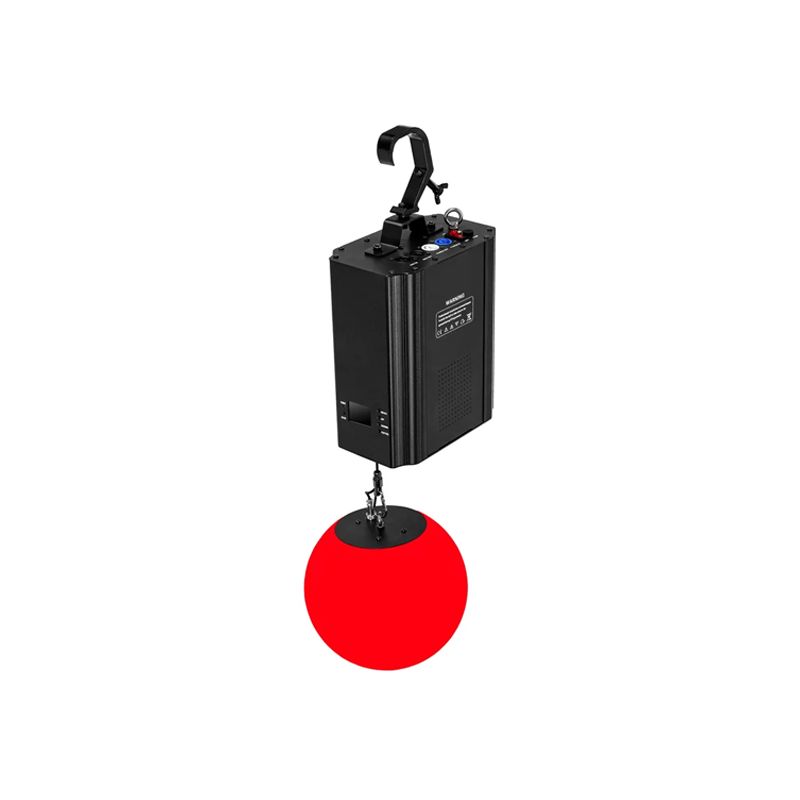
Kinetic Lighting Systems
Kinetic lighting has become increasingly popular in modern entertainment spaces. As a result, these systems usually combine:
These systems usually combine:
- DMX winches
- LED fixtures
- Control software
- Motion programming
They are commonly installed in:
- Nightclubs
- Luxury hotels
- Live shows
- Shopping centers
- Entertainment venues
Because kinetic systems involve both mechanical movement and lighting control, choosing an experienced manufacturer is especially important.
How to Evaluate a Stage Lighting OEM Manufacturer Before Ordering
Many buyers make the mistake of judging manufacturers only by product catalogs and prices.
A professional evaluation should go deeper. Start with: Next, check manufacturing experience. Experience matters because stage lighting products involve many technical details. In practice, a manufacturer that has produced lighting equipment for years usually understands: manufacturing experience.
Experience matters because stage lighting products involve many technical details.
A manufacturer that has produced lighting equipment for years usually understands:
- Component reliability
- Heat dissipation problems
- DMX communication issues
- Common installation challenges
Ask:
- How long have you manufactured stage lighting products?
- Which countries do you export to?
- What types of projects have you supplied? OEM projects often require adjustments. For example, you may need: a product brochure. Use them to compare manufacturers and narrow your choices.

2. Understand Their Engineering Ability
OEM projects often require adjustments.
Maybe you need:
- A different housing design
- Without engineering support, customization becomes difficult. That is why a capable manufacturer should have experience in:ED configuration.
- Special mounting options
Without engineering support, customization becomes difficult. Confirm what support the manufacturer can provide before you place an order.
A capable manufacturer should have experience in:
- Mechanical design
- Electronics
- Software development
- Product testing
Quality Control: What Separates a Professional OEM Factory From a Low-Cost Supplier
Price is always one of the first things buyers consider. However, a lighting fixture may look perfect when it leaves the factory. However, the real test often comes months later.
A lighting fixture may look perfect when it leaves the factory. The real test often comes months later.
For example:
- Will the moving head motor still operate smoothly after hundreds of hours?
- Will the LED brightness remain stable?
- Will the DMX signal respond correctly during a live show?
- A professional OEM manufacturer should have a complete quality control process instead of relying only on final inspection. This process usually includes: manufacturer should have a complete quality control process instead of relying only on final inspection. Ask to review that process before confirming cooperation.
A typical process includes:
Incoming Material Inspection
Before production begins, key components should be checked.
This includes:
- LED modules
- Power supplies
- PCBs
- Motors
- Cooling fans
- Structural components
Poor-quality components are one of the main reasons for product failure.
Aging Testing Before Delivery
Professional factories usually perform burn-in tests before products are packed.
This process helps identify potential issues such as:
- Flickering LEDs
- Abnormal noise
- Power instability
- Control failures
For commercial lighting used in clubs, theaters, and events, reliability is often more valuable than a small difference in purchase price. Before ordering, confirm that the factory can support long-term reliability.
OEM vs ODM vs Private Label: Which Manufacturing Model Is Right for You?
Many buyers use these terms interchangeably, but they represent different cooperation methods.
OEM Manufacturing
OEM means the factory manufactures products based on your requirements.
You may provide:
- Product specifications
- Design ideas
- Brand requirements
The manufacturer handles production.
This model works well for ODM. ODM means the manufacturer already has product designs, and customers customize them. For example, a factory may already have a moving head light design.ODM Manufacturing
ODM means the manufacturer already has product designs, and customers customize them.
For example:
A factory may already have a moving head light design.
You can modify:
- Logo
- Housing color
- Packaging
- Software settings
ODM is usually faster because the development process is already completed.
Private Label Manufacturing
Private label is the simplest model.
The factory provides existing products, and your brand is added.
It is suitable for companies that want to enter the market quickly. There is no fixed price because OEM projects vary significantly. The final cost depends on several factors. With a Stage Lighting OEM Manufacturer? What to Confirm Before You Quote
There is no fixed price because OEM projects vary significantly.
The final cost depends on several factors. Before requesting a quote, confirm the product type, order quantity, and customization requirements.
Product Type
A simple LED fixture and a complex kinetic lighting system require completely different manufacturing processes.
For example:
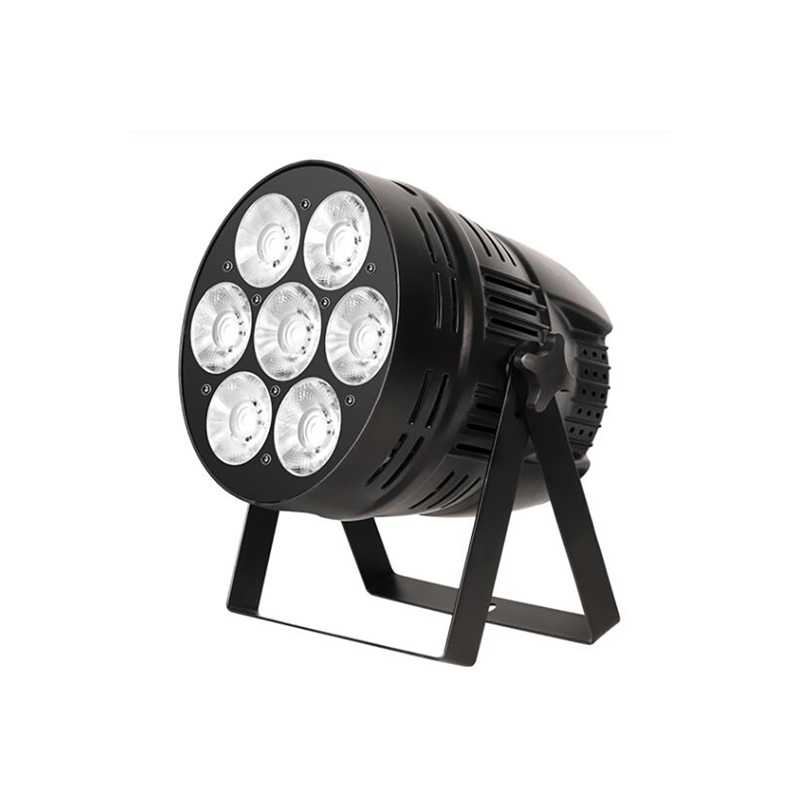
A standard LED PAR light may require fewer customization steps.
A kinetic lighting system involves:
- Mechanical lifting systems
- Motor control
- Safety design
- Programming
- Installation considerations
The development cost is naturally higher.

Order Quantity
Larger orders usually reduce the average production cost because:
- Material purchasing becomes more efficient.
- Production scheduling becomes easier.
- Labor costs are distributed across more units.
However, ordering large quantities before testing the market can create inventory pressure. Start with samples, test a small production run, collect feedback, and increase volume gradually.
A practical approach is often:
- Test samples
- Start with a small production run.
- Collect customer feedback
- Increase volume gradually
Customization Requirements
Simple branding requires less investment.
A completely new product requires more resources. That is why choosing the right OEM partner matters for long-term success.s.
Customization factors include:
- New mold development
- PCB modification
- Software changes
- Testing requirements
- Certification needs
Before requesting a quotation, prepare clear specifications. The more details you provide, the more accurate the quotation will be.
How to Avoid Problems When Choosing an OEM Lighting Manufacturer
Many sourcing problems happen because buyers focus on the wrong things during the selection process.
Here are some common mistakes.
Choosing Only Based on the Lowest Price
A low quotation can look attractive, especially when comparing suppliers from different countries.
But ask yourself:
Why is the price lower?
Possible reasons include:
- Lower-quality components
- Less testing
- Limited warranty support
- Basic manufacturing processes
A reliable supplier should provide a balance between price, quality, and service.
Not Checking Samples Carefully
A product sample is not just for checking appearance.
You should test:
Performance
- Brightness
- Color consistency
- Movement accuracy
- Noise level
Construction
- Housing quality
- Cable arrangement
- Connector reliability
- Heat management
User Experience
- Installation process
- Control operation
- Maintenance difficulty
A sample evaluation can prevent expensive mistakes later.
Working With Suppliers Without Technical Support
Stage lighting products sometimes require troubleshooting.
Problems may involve:
- DMX addressing
- Firmware updates
- Installation methods
- Spare parts replacement
A supplier that only communicates before receiving payment may create difficulties in the future.
Long-term cooperation requires continuous support.
What Should You Prepare Before Contacting an OEM Manufacturer?
Better preparation leads to faster and more accurate communication.
Before contacting a factory, prepare:
Product Requirements
Include:
- Product type
- Quantity
- Application scenario
- Target market
- Required certifications
Technical Requirements
If available, provide:
- Power requirements
- Control protocol
- Lighting specifications
- Installation method
- Special functions
Business Requirements
Clarify:
- Expected order quantity
- Target price range
- Delivery schedule
- Packaging requirements
Manufacturers can provide better solutions when they understand your actual business goals.
Why Long-Term OEM Partnerships Matter
A good OEM manufacturer is not only a production supplier.
Over time, they become part of your product development process.
A strong partnership can help you:
- Launch new products faster.
- Improve product quality
- Reduce production risks
- Develop exclusive models
- Optimize costs
Many successful lighting companies do not change suppliers frequently. Instead, they build stable relationships with manufacturers who understand their market and customers.
This cooperation creates advantages that are difficult for competitors to copy.
Frequently Asked Questions About Stage Lighting OEM Manufacturers
How do I find a reliable stage lighting OEM manufacturer?
Start by checking manufacturing experience, product range, export markets, certifications, engineering capability, and customer feedback.
Do not evaluate suppliers only from online product listings.
Can an OEM manufacturer create a completely new stage lighting product?
Yes, experienced manufacturers can support new product development, including mechanical design, electronics, lighting effects, and control systems.
However, development time and cost depend on product complexity.
What is the minimum order quantity for OEM stage lighting?
MOQ depends on the product and customization requirements.
Standard products usually require lower quantities, while fully customized products may require higher production volumes.
How long does OEM stage lighting production take?
Production time depends on:
- Product availability
- Customization level
- Order quantity
- Component supply
Sample orders usually take less time than mass production.
Can I customize stage lighting products with my own brand?
Yes.
Most OEM manufacturers can provide:
- Logo customization
- Packaging design
- User manuals
- Labels
- Product appearance adjustments
Should I choose a manufacturer or a trading company?
Both models have advantages.
A trading company may offer a wider product range.
A manufacturer usually provides better control over:
- Product customization
- Production quality
- Technical communication
- Cost structure
For long-term brand development, working directly with a manufacturer is often more beneficial.
Final Thoughts: Choosing the Right Stage Lighting OEM Manufacturer
Selecting a stage lighting OEM manufacturer is a long-term business decision, not just a purchasing decision.
The right factory should provide more than competitive pricing. It should offer stable quality, technical knowledge, flexible customization, and reliable communication.
Before placing an order, take time to understand the manufacturer's capabilities, production process, and service level.
A successful OEM relationship is built on trust and consistency.
When your manufacturer understands your market, supports your product ideas, and delivers reliable equipment, your brand gains a stronger foundation for future growth.
Previous Page
Previous Page
More Cases


Online Message
Quick Links
Contact Information
Address: A8 Building Meiwang Industrial Park, Guangtang south street, Huadu District,Guangzhou, China.
Phone: +86 158 1889 3706
WhatsApp:+86 158 1889 3706