
5W Laser Light Buying Guide | Features, Uses & Expert Tips
Classification:
summary description]
Searching for a 5W laser light usually means you're planning a lighting project, whether you're equipping a nightclub, preparing for a concert, upgrading a rental inventory, or looking for a laser powerful enough to create professional-looking beam effects.
The problem is that many product pages focus almost entirely on specifications. You'll see lists of wattage, scan speed, or control protocols, but very little explanation of what those numbers actually mean in real-world use.
That's what this guide aims to change.
We'll explain what a 5W laser can realistically do, where it performs best, and which features are worth paying for.
What Exactly Is a 5W Laser Light?
At first glance, "5W" simply refers to the laser's optical output. In practice, though, brightness is only one piece of the puzzle.
Two fixtures with the same advertised power can produce noticeably different results. Better optics, higher-quality laser modules, and more precise scanners often make one unit appear brighter and cleaner than another, even if both are rated at 5 watts.
That's why experienced lighting designers rarely judge a laser by power alone.
Is a 5W Laser Powerful Enough?
For most indoor venues, absolutely.
A quality 5W laser has more than enough output to create sharp aerial beams across a nightclub, theater, or medium-sized concert hall. Add a light haze to the room, and those beams become dramatically more visible.
Where people sometimes run into trouble is assuming that more power always means a better show.
In reality, venue size matters far more than many first-time buyers expect.
A compact club doesn't necessarily benefit from a 20W laser. In fact, it may simply create unnecessary brightness while increasing both the budget and the safety requirements. A properly configured 5W system often delivers a cleaner, more balanced result.

RGB or Single-Color? Which Makes More Sense?
This is one of the questions suppliers hear almost every day.
If your goal is to produce colorful beam shows, animated graphics, or logo projections, an RGB laser is usually the obvious choice. Mixing red, green, and blue allows the system to generate a huge range of colors, giving lighting designers much more creative freedom.
Single-color lasers still have their place. They're simpler, cost less, and work well for straightforward beam effects. But for venues that regularly host performances or themed events, RGB tends to offer better long-term value.
Don't Focus Only on Wattage
One mistake many buyers make is comparing products using only the number printed in the title.
Power matters, of course, but it isn't the whole story.
Think of it this way: two cars may both have the same engine size, yet one feels smoother, faster, and more reliable because of the overall engineering. Laser lights work in much the same way.
When comparing different models, pay attention to factors such as:
- Beam divergence
- Scanner quality
- Optical alignment
- Cooling efficiency
- Build quality
- Software compatibility
These details often have a bigger impact on day-to-day performance than an extra watt or two of output.
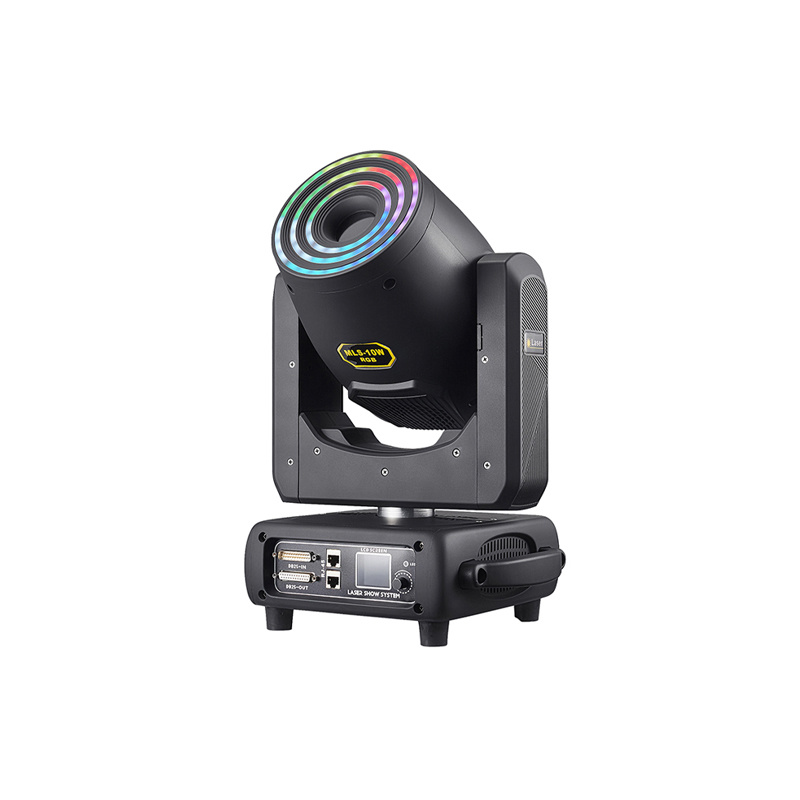
Think About How You'll Actually Use It
Before choosing a model, ask yourself a few practical questions.
Will the laser stay in a permanent nightclub installation?
Will it travel every weekend with a rental company?
Does it need to integrate with an existing DMX lighting system?
Or do you plan to design custom laser graphics using ILDA software?
The answers matter because different users prioritize different features.
A mobile DJ might value quick setup and lightweight construction, while a concert production company is likely to care more about scanner performance and programming flexibility.
Choosing the right laser isn't about buying the most expensive unit—it's about buying the one that matches the way you'll use it.
A Word About Safety
A 5W laser is capable of producing impressive visual effects, but it also deserves responsible handling.
Professional installations should always be aimed and programmed carefully. Direct exposure to the eyes should be avoided, and local laser safety regulations should be followed whenever public audiences are involved.
Most reputable manufacturers include safety features such as key switches, emergency stop connections, and interlock systems. These aren't just optional extras—they're an important part of operating professional laser equipment safely.
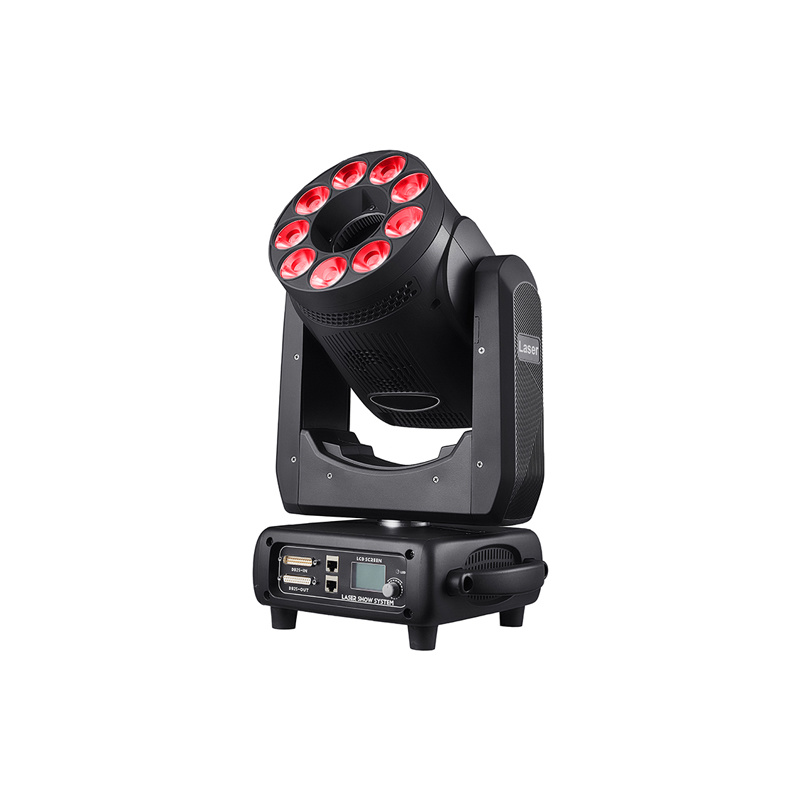
Final Thoughts
A 5W laser light sits in a sweet spot for many professional applications. It offers enough power to produce striking beam effects in clubs, theaters, concerts, and corporate events without reaching the cost or complexity of higher-output systems. If you're deciding whether to buy one, start by matching the laser to your venue, your workflow, and your creative goals.
Rather than chasing the highest wattage available, spend a little more time evaluating the overall design. Beam quality, scanner performance, control options, and reliability will have a much greater influence on your day-to-day experience than the headline power rating alone.
Choose a laser that suits your venue, your workflow, and your creative goals, and you'll end up with a system that performs consistently long after the purchase is made.
Previous Page
Previous Page
More Cases


Online Message
Quick Links
Contact Information
Address: A8 Building Meiwang Industrial Park, Guangtang south street, Huadu District,Guangzhou, China.
Phone: +86 158 1889 3706
WhatsApp:+86 158 1889 3706