
Kinetic Ball Lighting Guide: Complete Buying Tips
Classification:
summary description]
A kinetic ball system is not limited to one type of venue. In fact, one of the reasons it has become popular is its flexibility.
Different projects use kinetic balls for different purposes. Some focus on creating an energetic atmosphere, while others use them as an architectural centerpiece.
Understanding the application helps buyers decide what type of system they actually need and prepares them for the options below.
Kinetic Ball Lighting for Nightclubs
Nightclubs are one of the most common applications for kinetic ball installations.
In a nightclub environment, lighting is not just decoration. It controls the mood, guides audience attention, and works together with music.
A kinetic ball system can be programmed to respond to:
- DJ performances
- Music tempo changes
- Laser effects
- LED video walls
- Special effects equipment
For example, during a slow opening sequence, the kinetic balls can gradually descend with soft colors. When the music reaches a peak, the system can create faster movements with dynamic RGB effects.
This type of visual interaction is difficult to achieve with traditional fixed lighting.
For nightclub owners, the value is not only the appearance of the installation. A unique lighting design can also become part of the venue identity and improve the overall customer experience. This is why the same idea is applied differently in other venues.
Kinetic Ball Lighting for Concerts and Live Events
Large-scale concerts require lighting systems that can attract attention from every angle.
A stage cannot rely only on front lighting anymore. Audiences expect immersive visual effects.
Kinetic balls are often combined with:
- Moving head lights
- LED screens
- Lasers
- Stage effects
- Video mapping systems
Because each unit can move independently, designers can create different visual scenes for different parts of a performance.
For touring productions, reliability is especially important. Equipment needs to be easy to program, stable during operation, and supported by technical documentation. These priorities also matter when the system is used in other commercial settings.
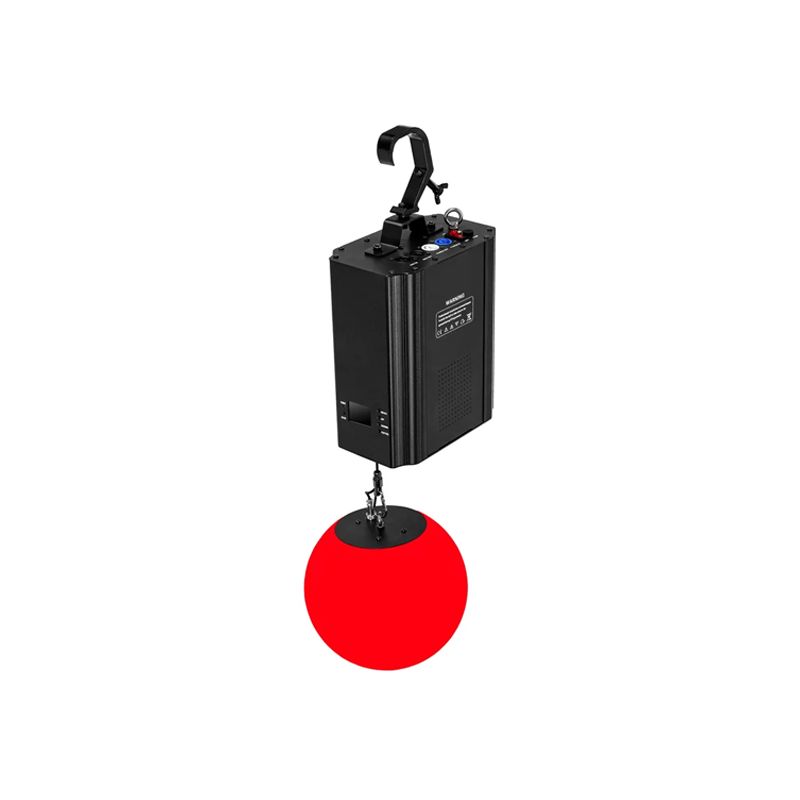
Kinetic Balls for Hotels and Commercial Spaces
Not every kinetic lighting project is designed for entertainment.
Many luxury hotels, shopping centers, and brand experience spaces use kinetic balls as architectural lighting features.
A large installation in a hotel lobby, for example, can become the first visual impression guests experience.
Common applications include:
- Hotel entrances
- Atriums
- Shopping malls
- Luxury restaurants
- Exhibition halls
In these environments, movement is usually slower and more elegant compared with nightclub applications.
The goal is not creating intense effects, but creating a memorable atmosphere. That same balance between impact and elegance also shapes event venue choices.
Kinetic Balls for Wedding and Event Venues
Premium event venues are also adopting kinetic lighting systems.
Modern weddings and corporate events increasingly require customized visual environments.
A kinetic ball installation can provide:
- Dynamic ceiling decoration
- Custom color themes
- Entrance effects
- Photo background areas
For event venues, this can become a long-term investment because the same system can be programmed differently for different occasions. When buyers compare options, the next step is choosing the right system specifications.
How to Choose the Right Kinetic Ball System?
Choosing a kinetic ball is different from buying a normal LED fixture. Select based on the project’s actual requirements, not appearance alone.
A product may look impressive in photos, but the real performance depends on specific technical details that affect the project outcome. Review those details before making a choice.
Before making a purchase, consider the following factors to choose the right system.

1. Determine the Required Lifting Height
The lifting height directly affects the visual impact and should match the venue size.
A system installed in a small club with a 4-meter ceiling does not need the same specifications as a concert hall with a 12-meter ceiling. Match the lifting height to the venue size.
Common lifting ranges include:
- 3 meters
- 6 meters
- 9 meters
- 12 meters
- Custom lifting distances
A common mistake is choosing the wrong lifting range because the buyer focuses only on the appearance of the LED ball instead of the movement space. Choose the range that fits the movement space.
The movement space is equally important.
A larger vertical range allows designers to create more dramatic effects, so buyers should confirm the required range first.
2. Check the Control System Compatibility
Professional lighting projects usually already have a control environment.
Before purchasing, confirm whether the kinetic ball system supports your existing equipment and control setup.
Important questions include:
- Does it support DMX512?
- How many control channels are required?
- Can it work with Art-Net?
- Is it compatible with your lighting console?
A system that cannot communicate properly with your existing setup may create unnecessary installation problems and limit control.
3. Choose the Right LED Configuration
Not every project needs the highest specification, so buyers should choose the level that matches the application.
The right LED configuration depends on the application. Select the option that matches the project’s purpose.
For Decorative Projects
RGB LED kinetic balls are often sufficient.
They provide:
- Multiple colors
- Attractive visual effects
- Reliable performance
For Professional Stage Projects
RGBW or pixel-controlled systems are usually preferred.
They offer:
- Better color accuracy
- More programming options
- More complex visual effects
The key is matching the product specification with the project requirements before deciding. Choose the specification that best fits the application.
Higher specifications are not always better if they are unnecessary for the application, so avoid overbuying.

4. Consider Installation and Safety Requirements
Because kinetic balls are suspended above people, safety should always be a priority when evaluating a system.
A professional system should include:
- Reliable lifting mechanism
- Strong mechanical structure
- Safety cable protection
- Stable electrical connection
- Proper installation instructions
For large projects, installation planning should happen before the equipment arrives so the system fits the site.
Important factors include:
- Ceiling structure
- Mounting points
- Power supply layout
- DMX signal routing
A good supplier should be able to provide technical support during this process. These planning details are also important when comparing kinetic balls with other stage lighting.
Common Problems Buyers Face When Purchasing Kinetic Balls
Before buying, many customers focus on price, but buyers should compare value, not price alone.
However, the cheapest option is not always the most cost-effective choice for the project.
Here are several common issues seen in real projects.
Problem 1: The System Looks Good but Performs Poorly
Some products look attractive in marketing images but fail during operation.
Possible reasons include:
- Weak motors
- Poor synchronization
- Limited control options
- Unstable communication
For commercial projects, reliability matters more than the initial purchase price, so evaluate performance first. This is one reason buyers should also consider supplier support and configuration choices.

Problem 2: The Supplier Cannot Provide Technical Support
A kinetic lighting project involves more than shipping products.
You may need help with:
- Installation
- Programming
- Troubleshooting
- Spare parts
Working with a manufacturer that understands international projects can save significant time.
Problem 3: Choosing the Wrong Configuration
A small venue does not always need hundreds of units. Select a quantity that suits the space and layout.
A large entertainment project may require more than simply increasing the quantity.
The layout, movement range, and control method all affect the final result. Use them to determine the right configuration.
A professional supplier should help design the system according to the actual space before the order is finalized.
How to Choose a Reliable Kinetic Ball Manufacturer?
The manufacturer you choose can influence the success of the entire project, so evaluate them carefully.
Before placing an order, evaluate the manufacturer's experience, customization, and support.
Manufacturing Experience
A professional kinetic lighting manufacturer should understand both lighting and mechanical systems.
The company should have experience with:
- LED technology
- DMX control
- Motorized movement systems
- Large installation projects
Kinetic lighting is not just an LED product. It is a complete engineering solution. That is why choosing the right manufacturer is so important.
Customization Capability
Every venue is different.
A reliable supplier should be able to customize:
- Ball size
- LED type
- Cable length
- Lifting distance
- Control channels
- Installation layout
This is especially important for architects and project contractors when selecting a system.
After-Sales Support
International projects often require long-term cooperation.
Before purchasing, ask about:
- Technical documents
- Installation guidance
- Spare parts
- Remote support
A supplier who provides support after delivery is usually a better long-term partner. With these factors in mind, the most common questions are easier to answer.
Frequently Asked Questions About Kinetic Ball Lighting
What is the lifespan of a kinetic ball system?
The lifespan depends on LED quality, motor reliability, operating environment, and maintenance, so ask about these details.
A professionally designed system can operate for many years when properly installed and maintained.
Can kinetic balls be synchronized with music?
Yes.
Through DMX controllers and lighting software, kinetic balls can synchronize with music, stage performances, and other lighting equipment.
How many kinetic balls are needed for a project?
There is no fixed number, so quantity should be based on project needs and layout.
The required quantity depends on:
- Ceiling area
- Installation design
- Desired visual density
- Budget
A lighting designer usually creates a layout plan before determining the final quantity.
Are kinetic balls suitable for outdoor projects?
Most standard kinetic balls are designed for indoor use.
Outdoor projects require additional protection, including:
- Weather resistance
- Waterproof design
- Temperature protection
Always confirm the IP rating and environmental specifications before installation. With the main selection points covered, the final question is whether the system is worth the investment.
Final Thoughts: Is a Kinetic Ball System Worth Investing In?
A kinetic ball is more than a decorative lighting product.
It combines mechanical movement, LED technology, and digital control to create a visual experience that traditional lighting cannot easily reproduce.
For nightclubs, concerts, hotels, and entertainment venues, kinetic lighting can become one of the most recognizable features of the space.
However, choosing the right system requires careful consideration.
The best solution is not always the most expensive one. It is the system that matches your venue size, creative goals, control requirements, and long-term maintenance needs.
By selecting a reliable manufacturer and planning the installation properly, a kinetic ball lighting system can provide years of visual impact and become a valuable part of your venue design.
Previous Page
Previous Page
More Cases


Online Message
Quick Links
Contact Information
Address: A8 Building Meiwang Industrial Park, Guangtang south street, Huadu District,Guangzhou, China.
Phone: +86 158 1889 3706
WhatsApp:+86 158 1889 3706