
DJ Lights Moving Heads: Complete Buying Guide for 2026
Classification:
summary description]
Whether you're building a new DJ setup, upgrading the lighting in a nightclub, or sourcing equipment for an event production company, finding the right DJ lights moving heads can feel more complicated than expected. A quick online search brings up hundreds of options, all claiming to be brighter, faster, or more professional than the last.
The challenge isn't finding a moving head light—it's knowing which one actually fits your venue, your budget, and the kind of shows you want to produce.
This guide walks through the questions buyers ask most often before making a purchase. Instead of focusing on marketing claims, we'll look at what really matters when comparing moving head fixtures.
What Are DJ Moving Head Lights?
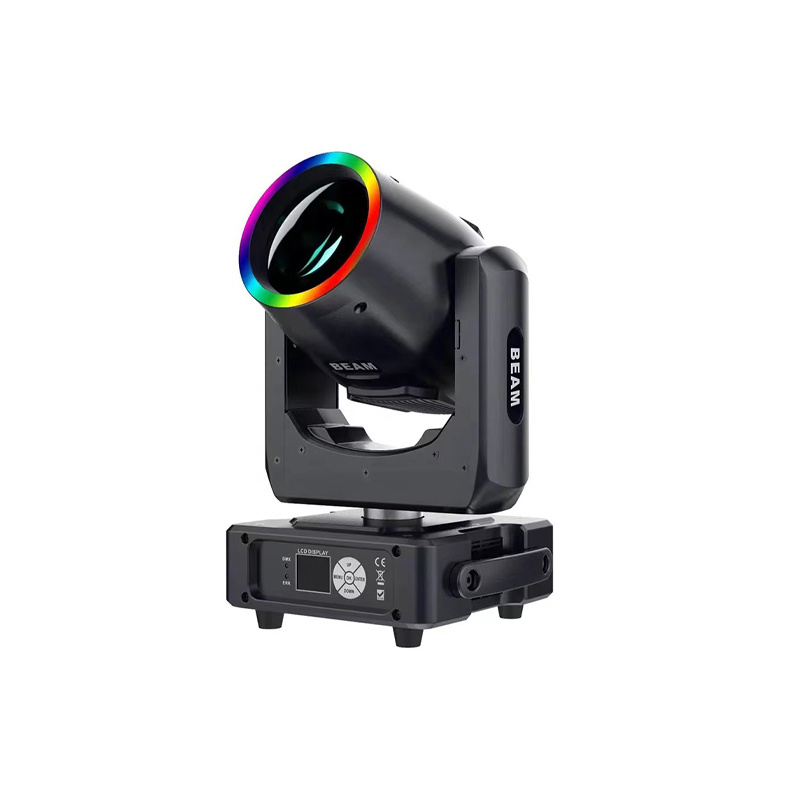
A moving head light is an intelligent lighting fixture that can rotate in multiple directions while producing changing colors, gobos, prisms, and beam effects. Unlike traditional static fixtures that illuminate a fixed area, moving heads constantly redirect light around the room, making performances feel more dynamic and visually engaging.
That's one reason they're found almost everywhere today—from small DJ booths and wedding venues to large concert stages and music festivals.
If you've ever watched beams sweeping across a crowd during a live performance, chances are you were looking at moving head fixtures working together through a DMX lighting system.
Why Do So Many DJs Choose Moving Head Lights?
Lighting does much more than help people see the stage. It shapes the atmosphere.
Two venues can use the same sound system, the same DJ, and even the same playlist, yet the one with a well-designed lighting setup usually feels more energetic. Movement naturally draws attention, and synchronized lighting keeps the audience engaged throughout a performance.
Many venue owners notice this after upgrading from static PAR lights. The room itself hasn't changed, but the experience has.
Moving head lights also give you far more creative freedom. A single fixture can create narrow aerial beams one moment, colorful patterns the next, and smooth washes later in the show without anyone touching the light itself.

Beam, Spot, Wash, or Hybrid—Which Type Should You Choose?
This is probably the first decision you'll need to make.
Beam Moving Heads
If your goal is to create sharp, powerful beams that cut through haze or fog, beam fixtures are usually the right choice. They're especially popular in EDM clubs, concerts, and festival stages where dramatic aerial effects are part of the performance.
Keep in mind, though, that beam lights aren't designed to illuminate performers evenly. Their strength is visual impact rather than general stage lighting.
Spot Moving Heads
Spot fixtures are better suited for projecting gobos, logos, and detailed patterns. They're commonly used in theaters, corporate events, and venues where decorative lighting is just as important as brightness.
Because they include adjustable focus and rotating gobos, they're often the most versatile choice for indoor events.
Wash Moving Heads
When you need smooth, even coverage across a stage or dance floor, wash fixtures usually perform better than beam lights. They produce softer lighting and often include motorized zoom, allowing you to switch between narrow and wide coverage depending on the event.
Hybrid Fixtures
Some venues prefer hybrid moving heads because they combine beam, spot, and wash functions into a single fixture. Although the upfront investment is higher, hybrids can reduce the total number of fixtures needed while offering greater programming flexibility.

How Powerful Should Your Moving Head Lights Be?
This is one of the most misunderstood parts of buying stage lighting.
Many people assume that choosing the highest wattage automatically guarantees the best performance. In reality, that's rarely true.
For a small lounge or mobile DJ setup, a 150W or 200W fixture can produce more than enough brightness. Installing 380W fixtures in the same space may simply increase power consumption without creating a noticeably better show.
On the other hand, large clubs with high ceilings or outdoor stages often require much more powerful fixtures. A light that performs well in a wedding venue may disappear completely on a festival stage.
Rather than chasing bigger numbers, match the fixture to the size of your venue and the throw distance you actually need.
Features Worth Paying Attention To
Manufacturers often list dozens of specifications, but only a handful will noticeably affect everyday use.
Brightness matters, of course, especially in larger venues. Just as important is beam quality. A clean, well-defined beam often looks more impressive than a brighter beam with uneven edges.
Color mixing is another factor worth comparing. Better fixtures usually produce smoother transitions and richer colors, which becomes obvious during slower lighting scenes.
If you're planning to run synchronized shows, DMX512 compatibility should be considered essential. Without reliable control, even the best fixture won't perform to its full potential.
Finally, don't overlook build quality. Cooling systems, motors, and optical components have a much bigger influence on long-term reliability than many first-time buyers realize.
Mistakes Buyers Often Regret Later
Price is naturally one of the first things people compare, and there's nothing wrong with looking for value.
The problem starts when price becomes the only deciding factor.
Many inexpensive fixtures perform well during the first few months, but replacement parts can be difficult to find later. Some develop noisy motors, inconsistent brightness, or color accuracy issues after extended use.
Another common mistake is buying without considering future expansion. It's much easier to build a lighting system when every fixture communicates through the same control protocol and shares similar programming features.
Thinking a little further ahead can save both money and frustration.
How Many Moving Head Lights Do You Actually Need?
There isn't a universal answer because every venue is different.
A mobile DJ may create an impressive show with just four fixtures, while a medium-sized nightclub could require twelve or more to achieve balanced coverage.
Ceiling height, stage dimensions, truss design, and audience viewing angles all influence the final number.
Instead of asking how many fixtures other venues use, start by asking what areas actually need to be illuminated and what kind of visual experience you're trying to create.
Choosing a Supplier Is About More Than Price
A good supplier doesn't simply ship products.
They should also be able to provide technical advice, installation guidance, spare parts, and responsive after-sales support if something goes wrong.
Before placing an order, ask to see real installation projects rather than studio photos. Videos from actual venues often reveal far more about brightness, movement speed, and beam quality than product specifications alone.
If you're buying for commercial use, reliable support is every bit as valuable as the fixtures themselves.
Final Thoughts
Buying DJ lights moving heads isn't about finding the fixture with the highest wattage or the lowest price. It's about choosing equipment that fits your venue, works reliably over time, and creates the atmosphere your audience expects.
Taking the time to compare beam quality, control options, build quality, and supplier support usually leads to a better investment than focusing on specifications alone.
Whether you're outfitting a small DJ booth or designing lighting for a large entertainment venue, selecting the right moving head fixtures today will make every performance easier to manage—and far more memorable for the people watching.
Previous Page
More Cases


Online Message
Quick Links
Contact Information
Address: A8 Building Meiwang Industrial Park, Guangtang south street, Huadu District,Guangzhou, China.
Phone: +86 158 1889 3706
WhatsApp:+86 158 1889 3706