
How to Choose the Best LED Dance Floor: Complete Buying Guide
Classification:
summary description]
Is an LED Dance Floor Worth Buying?
If you’re searching for an LED dance floor, you’re probably not looking for another decorative lighting product. You’re looking for something that can change the atmosphere of a venue, impress guests, and ideally generate a return on your investment.
For a wedding planner, it might be the centerpiece of a couple’s first dance. For a nightclub owner, it’s about creating an environment that keeps customers engaged. And if you run an event rental business, the goal is slightly different—you need equipment that’s reliable enough to survive frequent transportation and repeated installations without becoming a maintenance headache.
The challenge is that the market is full of products that look almost identical in photos. Prices vary widely, specifications can be confusing, and every supplier claims to offer the “best quality.” So how do you know which LED dance floor is actually worth buying?
This guide answers the questions buyers ask most often before placing an order.
What Exactly Is an LED Dance Floor?
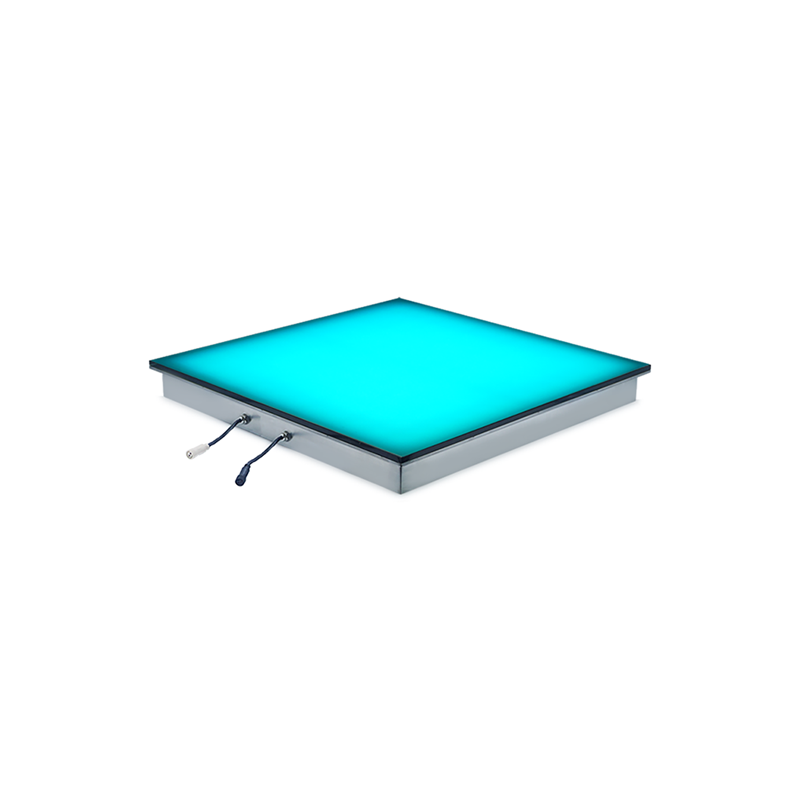
At its core, an LED dance floor is a modular flooring system with built-in LED lighting beneath a durable protective surface. Individual panels connect together to create a floor of almost any size, allowing users to display everything from simple color changes to synchronized animations and video effects.
That description sounds straightforward, but in practice, these floors serve very different purposes depending on the project.
A luxury hotel may only need an elegant white starlit floor for wedding receptions. A music venue, on the other hand, is more interested in vibrant RGB effects that react to sound or work alongside moving head lights. Exhibition organizers often prefer programmable graphics that display logos or branded content throughout an event.
In other words, choosing the right dance floor starts with understanding how it will actually be used—not simply comparing specifications.
Why More Venues Are Investing in LED Dance Floors
Walk into a modern wedding venue or nightclub, and you’ll quickly notice one thing: guests are drawn toward the brightest, most interactive area in the room.
That’s rarely a coincidence.
An LED dance floor naturally becomes the focal point of the event. People gather there, take photos, record videos, and spend more time on the dance floor than they would on a traditional wooden surface.
For businesses, that creates value beyond aesthetics.
Rental companies can use the same floor for weddings one weekend, corporate launches the next, and private parties after that. Hotels often find that adding an illuminated dance floor makes premium event packages easier to sell. Even small venues discover that a visually impressive floor helps their clients create content for social media, giving the venue additional exposure without spending more on advertising.
Sometimes the dance floor becomes part of the marketing itself.
Which Type of LED Dance Floor Fits Your Project?
Not every project requires the same solution.
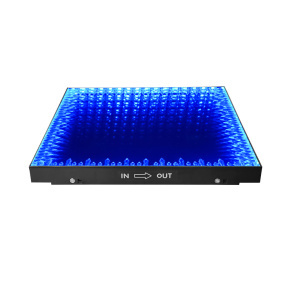
If your business focuses primarily on weddings, a white LED dance floor remains the most popular choice. The clean appearance works well with elegant decorations, while the twinkling starlight effect photographs beautifully during first dances.
Nightclubs and live entertainment venues usually choose full-color RGB systems instead. These offer far greater flexibility, allowing operators to change colors instantly, synchronize lighting with music, or display animated visual effects throughout the night.
Interactive LED dance floors are becoming increasingly common in museums, shopping centers, and exhibition halls. Thanks to built-in sensors, the lighting responds to footsteps, creating an experience that encourages visitors to engage with the installation.
Outdoor events present another challenge entirely. Rain, dust, uneven ground, and changing weather conditions all affect performance, making waterproof construction and reinforced panels far more important than decorative lighting effects alone.
What Should You Pay Attention to Before Buying?
Many buyers compare prices first. That’s understandable.
But after speaking with enough venue owners and rental companies, one pattern becomes obvious: the lowest quotation often turns out to be the most expensive purchase over time.
Instead of focusing only on cost, consider how the dance floor will perform after dozens—or even hundreds—of installations.
Brightness is one example, and it should be judged in conditions similar to your own project. A floor that looks brilliant inside a showroom may appear surprisingly dim in a brightly lit exhibition hall or outdoor venue. Always ask for videos taken under conditions similar to your own project.
Durability matters just as much. Panels should be judged by how they withstand continuous foot traffic, heavy speakers, stage equipment, and frequent transportation without developing loose connections or cracked surfaces.
Installation is another factor that’s easy to overlook until event day arrives. Judge modular systems by quick-lock connectors, since they can save hours of labor compared with older designs that require more complicated assembly.
Finally, don’t forget software compatibility. If your venue already uses DMX controllers, Art-Net, or Madrix, confirm that the dance floor integrates smoothly with your existing lighting system before placing an order.
A quick conversation with the supplier beforehand can prevent a lot of frustration later.
Questions Buyers Often Ask
How much does an LED dance floor cost?
There isn’t a single answer.
The final price depends on panel dimensions, LED density, controller type, waterproof rating, and the total quantity ordered. Shipping costs can also make a significant difference, particularly for international projects.
Instead of requesting only a unit price, ask for a complete quotation that includes accessories, flight cases, spare parts, and control equipment. This gives you a much more accurate picture of the total investment.
Can one dance floor be used for different events?
Absolutely.
One of the biggest advantages of modular LED dance floors is their flexibility. The same system can create a romantic atmosphere for a wedding on Friday evening, display corporate branding during a product launch on Saturday morning, and switch to dynamic nightclub effects later that night.
For rental companies, that versatility is one of the main reasons the equipment delivers a strong return on investment.
Is maintenance complicated?
Not usually.
High-quality LED dance floors are designed for repeated use. Basic cleaning, careful transportation, and routine inspections are generally enough to keep the system operating reliably for years. Problems tend to arise with lower-quality products that use weaker connectors or poor waterproof sealing.
Mistakes That Can Cost You More Than the Purchase Price
One common mistake is assuming every LED dance floor performs the same because the specifications look similar on paper.
They don’t.
The quality of LEDs, power supplies, control systems, frame construction, and waterproof sealing all affect long-term reliability. These differences rarely appear in promotional photos, but they become obvious after months of regular use.
Another mistake is overlooking after-sales support.
Sooner or later, most rental companies need replacement panels, spare controllers, or technical assistance. Working with a manufacturer that responds quickly can save both time and money, especially when events are scheduled back-to-back.
Choosing the Right Manufacturer Matters
Finding the right supplier isn’t just about comparing prices.
Look for a manufacturer that can demonstrate real project experience, provide installation guidance, offer spare parts when needed, and support international certifications if your market requires them.
Ask to see completed projects rather than computer renderings. Request videos showing the dance floor in operation. If possible, discuss how long similar customers have been using the product.
A reliable supplier should be comfortable answering these questions because they’ve dealt with them many times before.
Final Thoughts
An LED dance floor is rarely an impulse purchase. For most buyers, it’s a long-term investment that should continue generating value for years, whether through equipment rentals, improved customer experiences, or higher-value event packages. In the end, the right floor is one that delivers value now and keeps doing so over time.
Take the time to compare more than just prices. Consider build quality, ease of installation, software compatibility, technical support, and the reputation of the manufacturer behind the product. The strongest choice is the one that fits your events and performs reliably from the start.
Making the right choice at the beginning is often far less expensive than replacing an unreliable system a year later. Choose carefully now, and you’re more likely to protect both your investment and your events later.
Frequently Asked Questions
Can LED dance floors display logos or custom graphics?
Yes. Most professional RGB models support logos, animations, videos, and customized visual effects through compatible control software.
How long does installation usually take?
That depends on the floor size and the team’s experience. Most modular systems can be assembled within a few hours using quick-lock panels.
Are LED dance floors safe for high-traffic events?
Quality products are designed with anti-slip surfaces and reinforced structures, making them suitable for weddings, concerts, exhibitions, and other events with continuous foot traffic.
Can I expand the dance floor later?
In most cases, yes. Modular systems allow additional panels to be added whenever larger event spaces require a bigger floor.
Previous Page
More Cases


Online Message
Quick Links
Contact Information
Address: A8 Building Meiwang Industrial Park, Guangtang south street, Huadu District,Guangzhou, China.
Phone: +86 158 1889 3706
WhatsApp:+86 158 1889 3706