
Kinetic Energy Light Guide: Benefits, Types & Applications
Classification:
summary description]
Kinetic Energy Light: Why More Venues Are Choosing Dynamic Lighting Systems
Understanding What a Kinetic Energy Light Really Is
If you have recently encountered the term kinetic energy light, you may be exploring options to enhance your venue, stage, or event with more visually compelling features. Though traditional lighting can effectively illuminate a space, it often lacks the immersive experience that modern audiences desire.
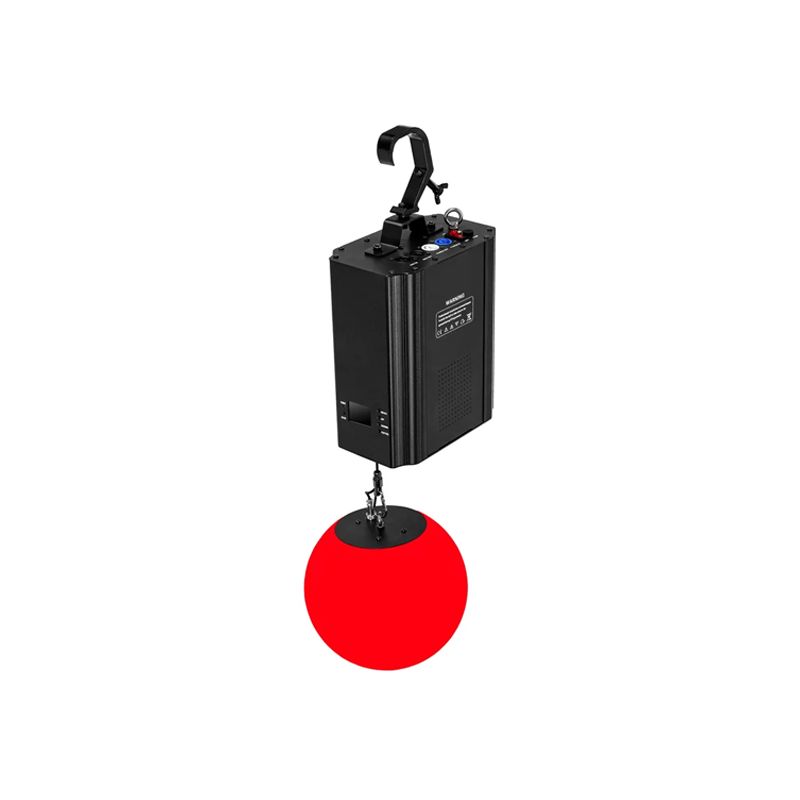
A kinetic energy light is not simply a light fixture. It’s a combination of motion and illumination working together as one visual element. These systems use motorized lifting mechanisms (called winches) to raise and lower programmable LED fixtures. LED stands for "light-emitting diode," a type of energy-efficient light. These fixtures can move up and down in synchronization with music, video content, or live performances.
This immersive approach to lighting sets the stage for a new relationship between visual design and audience engagement, leading many venues to explore kinetic energy lighting.
Why has this shift toward kinetic lighting captured so much attention lately?
A few years ago, kinetic lighting was mostly seen at large concerts and high-budget productions. Today, it’s becoming common in nightclubs, wedding venues, exhibition halls, and even permanent architectural installations.
The appeal is clear:
Movement is memorable.
Imagine entering a venue where dozens of illuminated spheres slowly descend from the ceiling before suddenly rising and transforming into a completely different shape as the music changes. That moment creates an emotional reaction that ordinary lighting simply cannot replicate.
For venue owners, those memorable moments often translate into more social media shares, stronger customer impressions, and repeat bookings.
How Does a Kinetic Energy Light System Work?
At first glance, kinetic lighting may appear complicated. In reality, most systems are built around three key components.
The Winch System
The winch acts as the “muscle” of the installation.
Each motorized winch raises and lowers a fixture with precise positioning control. Depending on the project requirements, the movement can be subtle and elegant or fast and energetic.
The Lighting Fixture
Different projects require different visual styles.
Some venues prefer glowing LED balls that appear to float in mid-air. Others choose LED tubes to create clean geometric patterns, while concert productions often use kinetic beam fixtures for maximum visual impact.
The Control Platform
This phase introduces creative potential.
Using DMX512 (a digital communication protocol for controlling stage lighting), Art-Net (a network protocol that transmits DMX data over Ethernet), MADRIX (a lighting control software), or professional lighting consoles, designers can program every movement and lighting effect. A well-designed show often blends hundreds of motion cues and lighting scenes into a seamless performance.

Choosing the Right Type of Kinetic Energy Light
Not every kinetic lighting product serves the same purpose.
Before investing in a system, it helps to understand which fixture best matches your venue.
Kinetic LED Balls
These remain one of the most popular options in the industry.
They emit light in all directions, creating beautiful floating effects ideal for clubs, wedding venues, and event spaces.
Many designers start with LED balls because they are versatile and appealing from nearly any angle.
Kinetic LED Tubes
LED tubes create a very different atmosphere.
Their linear shape allows designers to build grids, waves, and architectural patterns that look impressive even when viewed from a distance.
They are frequently used for concert stages and corporate events where a more modern appearance is desired.
Kinetic Rings
Ring fixtures have become increasingly popular in recent years.
Their circular form naturally attracts attention and works exceptionally well in product launches, exhibition booths, and technology-focused events.
Kinetic Beam Lights
For venues looking to maximize energy and excitement, beam fixtures are often the preferred choice.
The combination of moving beams and vertical motion creates dramatic aerial effects that can completely transform a stage environment.
With so many options available, you may wonder whether kinetic lighting systems are worth the investment for your venue.
This is probably one of the most common questions buyers ask.
The answer depends largely on your goals.
For basic illumination, traditional lighting is the economical choice. For a memorable experience, kinetic lighting offers something unique.
Many nightclub operators see kinetic installations as marketing assets. Visual content from these systems often appears in customer videos and promotional materials long after an event.
In other words, the lighting itself becomes part of the attraction.
If you’re considering kinetic lighting, several factors deserve attention before making a purchase.
Making an informed choice involves evaluating more than just the fixture.
Ceiling Height
A venue with limited vertical space may not fully benefit from long-travel winches. (Winches are motorized devices that can raise or lower lighting fixtures.) Always evaluate available ceiling height before selecting a system.
Project Scale
A small installation using 12 to 24 fixtures can produce impressive results. Larger venues may require 50, 100, or even several hundred units to achieve the desired visual effect.
Control Compatibility
If you already operate a lighting console, verify that the kinetic system can integrate with your existing workflow.
Future Expansion
Many venue owners start with a smaller installation and expand later. Choosing a scalable system can save both time and money in the future.
Industries That Commonly Use Kinetic Energy Lights
Today, kinetic lighting can be found in a surprisingly wide range of environments.
Common applications include:
- Concert stages
- Nightclubs
- Wedding venues
- Corporate events
- Product launches
- Television studios
- Exhibition centers
- Hotels
- Shopping malls
- Art installations
As technology becomes more accessible, the number of applications continues to grow every year.
Frequently Asked Questions
Are kinetic energy lights difficult to maintain?
Not necessarily. Most professional systems require routine inspections of cables, motors, and mounting hardware. When properly installed, high-quality equipment is designed for long-term operation and typically requires minimal maintenance.
How many fixtures do I need for a nightclub?
Smaller venues often start with 12–24 fixtures, while larger clubs may install 50 or more. The ideal quantity depends on ceiling size, visual goals, and budget.
Can kinetic lights be synchronized with music?
Yes. In fact, synchronization is one of the main reasons these systems are so popular. Professional control software allows movement and lighting effects to follow music with remarkable precision.
Are kinetic lighting systems safe?
When installed properly and operated within their rated load capacity, professional kinetic systems are designed with multiple safety protections and are widely used in commercial environments.
What is the most popular kinetic lighting fixture?
LED balls remain one of the most requested products because they offer a balance of visual impact, versatility, and relatively simple programming.
Final Thoughts
Kinetic energy lights are changing the way designers think about stage and venue lighting. Rather than treating lighting as a static element, these systems introduce motion, depth, and storytelling into a space.
Whether you’re planning a nightclub renovation, building a concert stage, or searching for a unique feature that will make your venue memorable, kinetic lighting offers possibilities that conventional fixtures simply cannot match. As audience expectations continue to evolve, dynamic lighting systems are becoming less of a luxury and more of a competitive advantage.
More Cases


Online Message
Quick Links
Contact Information
Address: A8 Building Meiwang Industrial Park, Guangtang south street, Huadu District,Guangzhou, China.
Phone: +86 158 1889 3706
WhatsApp:+86 158 1889 3706