
Disco Floor Guide: Best LED Dance Floors for Events & Clubs
Classification:
summary description]
When people search for a disco floor, they are usually looking for more than a simple dance platform. They want something that changes the atmosphere of a space instantly. A good LED disco floor can turn an average party into a memorable event, attract more guests to a nightclub, or make a wedding reception feel far more premium.
But choosing the right one is not always easy.
Some buyers care about brightness. Others focus on durability, installation, or DMX control compatibility. And if you are purchasing for a nightclub, rental business, or stage production company, making the wrong choice can become expensive very quickly.
This guide breaks everything down in a practical way so you can understand what actually matters before buying a disco floor.
What Is a Disco Floor?
A disco floor is a dance floor equipped with lighting effects, most often powered by LED panels. Earlier models were composed of individual tiles lit by basic bulbs, producing simple color variations. Modern disco floors use LED arrays, allowing precise control of color output and effect transitions.
Today, many LED disco floors include:
- RGB full-color lighting
- Interactive effects
- DMX512 control
- Music synchronization
- Programmable animations
- Modular panel designs
- Waterproof protection
Some systems are designed for permanent nightclub installations, while others are portable enough for mobile DJs and event rental companies.
In short, the disco floor has evolved from a decorative accessory into a complete visual entertainment system.
Why LED Disco Floors Have Become So Popular
A standard dance floor works. But it rarely creates excitement on its own.
An LED disco floor changes the energy of a room almost immediately. The lighting reacts to music, movement, and programmed scenes, which makes people naturally want to gather around it.
That matters more than many venue owners realize.
They Create a Strong First Impression
Guests often notice the dance floor before anything else. Bright moving patterns and synchronized lighting instantly make a venue feel more modern and professional.
For nightclubs especially, the dance floor becomes part of the brand image.
They Help Venues Stand Out
Competition in entertainment is intense. Clubs, bars, wedding venues, and event companies are constantly searching for ways to look different from competitors nearby.
A customized disco floor can help create that visual identity.
Some venues even design their entire lighting setup around the dance floor itself.
They Work for Different Types of Events
One reason disco floors remain popular is flexibility. The same floor can be used for completely different environments.
For example:
- Weddings
- DJ performances
- Nightclubs
- Birthday parties
- Fashion shows
- Corporate events
- Stage productions
- Exhibition halls
A portable LED floor generates strong returns for rental businesses because it can be reused for many events.
Different Types of Disco Floors
Not every disco floor is built for the same purpose. Choosing the right type depends heavily on your venue, audience, and budget.
LED Disco Floor
This is the most common style on the market today.
LED disco floors use RGB lighting panels. Each RGB panel allows independent adjustment of red, green, and blue diodes, creating dynamic color effects and animations. Most professional models connect with DMX control systems, facilitating synchronized shows with stage lighting and audio cues.
These floors are ideal for:
- Clubs
- Wedding venues
- DJs
- Concert stages
- Rental companies
Interactive Disco Floor
Interactive floors use sensors within the panels to detect foot movement. When guests step on different sections, the sensors trigger real-time lighting changes or visual effects based on the input received.
This type of system creates a more immersive experience and is especially popular in modern clubs and technology-focused events.
They are more expensive, but the audience engagement can be impressive.

Portable Disco Floor
Portable systems are designed for quick transportation and installation.
Most portable disco floors use panels designed with interlocking edges and rapid connectors. This ensures the panels can easily be joined to form a continuous surface and later separated without specialized tools.
These are commonly used by:
- Mobile DJs
- Wedding planners
- Rental companies
- Event organizers
What to Consider Before Buying a Disco Floor
A lot of buyers focus only on appearance. That is understandable, because visual impact is important. Still, there are several technical details that matter just as much.
Ignoring them can lead to expensive maintenance problems later.
Floor Size Matters More Than People Think
A dance floor that is too small quickly becomes crowded. Too large, and the venue can feel empty.
The right size depends on the expected number of guests and the available venue space.
Common Recommendations
| Small Parties | 3m × 3m |
| Weddings | 4m × 4m |
| Nightclubs | 5m × 5m or larger |
| Concert Stages | Custom layout |
For large clubs, many buyers choose expandable modular systems so the layout can change when needed.

Build Quality Is Extremely Important
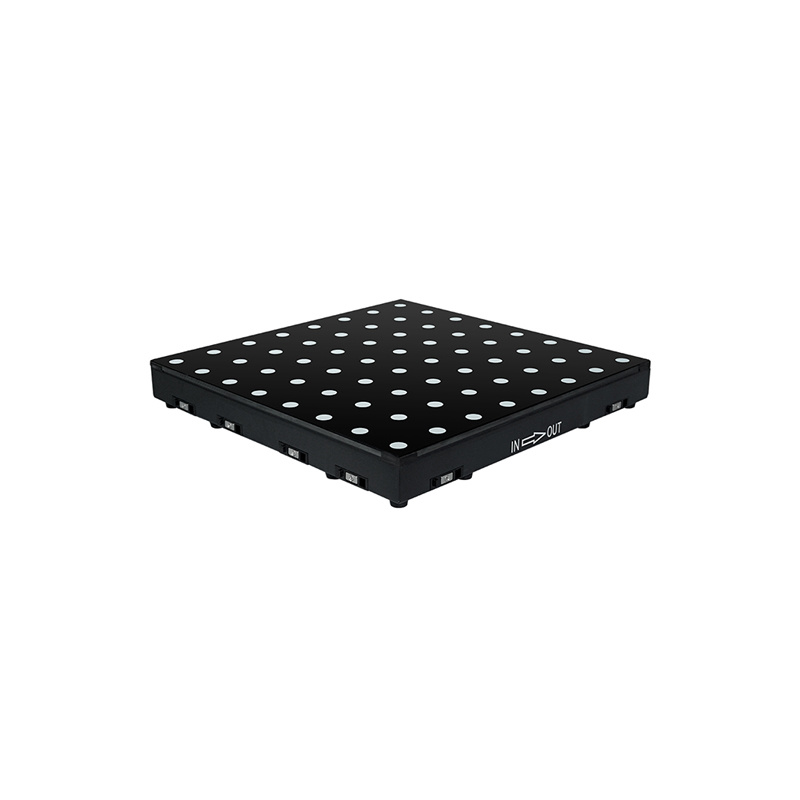
A disco floor handles constant foot traffic, vibration, and equipment weight. Low-quality panels may look attractive initially, but problems often appear after months of use.
Professional buyers usually check for:
- Reinforced aluminum structures
- Tempered glass surfaces
- Anti-slip coatings
- Strong internal wiring
- Efficient heat dissipation
Cheap systems often fail because manufacturers reduce costs on internal components rather than visible parts.
DMX Compatibility
For professional venues, DMX support allows operators to remotely adjust the disco floor lighting with a DMX controller, matching other venue light fixtures and effects.
Without DMX integration, the disco floor’s lighting cannot be synchronized in real time with other venue lights or music. This limits creative visual effects and coordinated shows.
With DMX512 compatibility, users can synchronize:
- Moving heads
- Beam lights
- Laser systems
- LED walls
- Music rhythms
- Stage effects
This creates a far more immersive experience for audiences.
Brightness and Color Consistency
One issue many buyers notice too late is uneven lighting.
Low-end disco floors sometimes display inconsistent colors across different panels. After extended use, brightness may also begin to fade.
A high-quality LED disco floor should provide:
- Consistent color mixing
- Stable brightness
- Long LED lifespan
- Smooth animation transitions
This becomes especially important in large venues where lighting inconsistencies are easy to notice.
Common Problems Buyers Experience
Even visually impressive disco floors can become frustrating if the design quality is poor.
Here are some of the most common issues users face.
Difficult Installation
Some systems require complicated wiring and time-consuming assembly.
For event companies, setup time directly affects labor costs.
Modular plug-and-play systems are usually the better choice because they reduce installation time significantly.
Frequent Maintenance
Cheap LED modules may contain low-grade diodes and components that fail after limited use. Replacing the modules often requires panel disassembly and can drive up costs.
Professional buyers often prefer systems with replaceable LED modules so maintenance is simpler.
Surface Damage
Dance floors experience scratches, pressure, and accidental impacts constantly.
Without durable surface protection, panels may quickly lose their appearance.
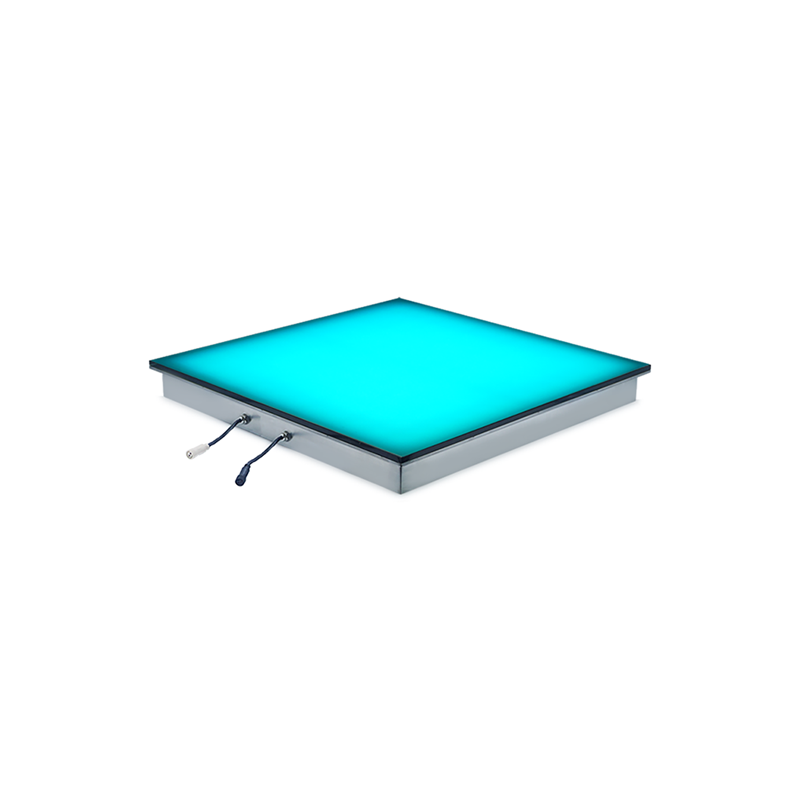
Tempered glass and reinforced acrylic are materials commonly used on commercial disco floor surfaces because they resist scratches, impacts, and wear. This keeps the panels looking attractive for longer periods.
Where Disco Floors Are Commonly Used
Nightclubs
Nightclubs rely heavily on lighting to shape the customer experience. A high-quality disco floor helps create a more energetic environment and keeps guests engaged longer.
Wedding Venues
Weddings often use LED dance floors to create elegant visual effects during the first dance and evening reception.
White mirror-style floors remain especially popular for luxury weddings.
Corporate Events
Many brands use interactive disco floors during product launches and exhibitions because they attract attention naturally.
An engaging floor setup often encourages visitors to take photos and share them online.
Rental Businesses
For rental companies, LED dance floors can become high-demand inventory.
Portable modular systems are valuable since they serve various events weekly.
Frequently Asked Questions About Disco Floors
How much does a disco floor cost?
Prices vary depending on several factors:
- Size
- LED quality
- DMX features
- Customization
- Waterproof rating
- Structural materials
A small portable floor may cost a few hundred dollars, while large commercial installations can reach several thousand dollars.
Are LED disco floors safe to use?
Yes, if they are manufactured correctly.
Professional disco floors usually include:
- Anti-slip surfaces
- Tempered panels
- Low-voltage systems
- Reinforced structures
Safety becomes especially important for venues with large crowds.
Can disco floors react to music?
Yes. Many systems support sound activation or DMX music synchronization.
This allows lighting effects to follow the rhythm of the music automatically.
Are disco floors difficult to install?
Not necessarily.
Modern modular systems are designed for easier setup. Portable models can often be assembled within a few hours.
Permanent nightclub installations may require professional technicians.
How long does an LED disco floor last?
A high-quality system can last more than 50,000 working hours with proper maintenance.
The lifespan depends heavily on LED quality and heat management.
Maintenance Tips for Longer Lifespan
A disco floor is an investment. Proper maintenance helps protect that investment over time.
Cleaning Tips
- Use soft cloths only.
- Avoid strong chemicals
- Keep connectors dry
- Remove dust regularly
Storage Recommendations
For portable systems:
- Store panels inside flight cases
- Avoid excessive stacking pressure.
- Keep equipment away from moisture.
Small maintenance habits can prevent expensive repairs later.
The Future of Disco Floors
Disco floor technology continues to evolve quickly.
Manufacturers are now introducing:
- Wireless DMX systems
- Interactive AI lighting
- App-controlled effects
- Transparent LED floors
- 3D visual animations
- Energy-saving LED technology
As audiences expect more immersive experiences, advanced dance floor systems are becoming increasingly important for entertainment venues.
Final Thoughts
A disco floor does much more than provide lighting. It shapes how guests experience a venue.
The right LED dance floor can make a nightclub feel more energetic, help a wedding appear more luxurious, or turn an ordinary event into something visually memorable.
Before buying, focus on practical details rather than appearance alone:
- Build quality
- DMX compatibility
- Brightness consistency
- Ease of installation
- Maintenance requirements
- Long-term durability
A reliable disco floor may cost more initially, but over time it usually delivers far better performance, lower maintenance costs, and a stronger overall experience for guests.
Previous Page
More Cases


Online Message
Quick Links
Contact Information
Address: A8 Building Meiwang Industrial Park, Guangtang south street, Huadu District,Guangzhou, China.
Phone: +86 158 1889 3706
WhatsApp:+86 158 1889 3706