
Kinetic LED Ball: Guide, Price & Buying Tips
Classification:
summary description]
If you’ve recently searched for a kinetic LED ball, you’ve probably come across videos of floating glowing spheres rising and falling in perfect rhythm. It’s the kind of visual that makes people stop scrolling.
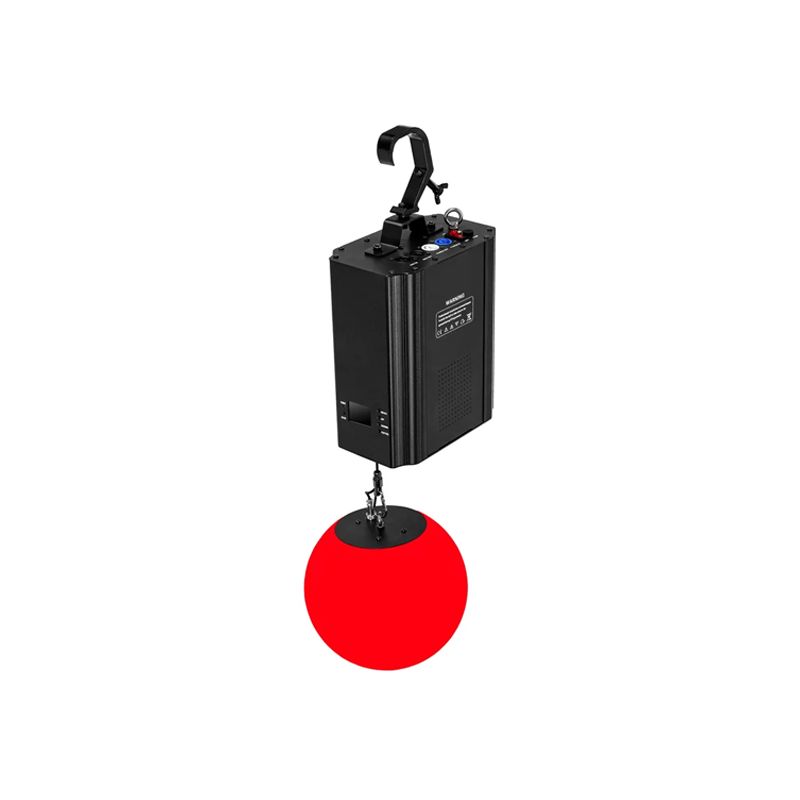
At its core, a kinetic LED ball is a moving lighting fixture. But that simple description doesn’t quite capture it. What makes it different is the combination of motion and light—controlled with precision—so the entire setup feels alive rather than static.
For venue owners, event planners, or production teams, this isn’t just lighting. It’s a way to create atmosphere, depth, and a more immersive experience without rebuilding the entire space.
How Does a Kinetic LED Ball Actually Work?
Most users don’t need a full technical breakdown, but understanding the basics can save you from choosing the wrong setup.
The Key Parts You Should Know
- LED Ball
- This is the visible part—the glowing sphere. Usually RGB or RGBW, capable of smooth colour transitions.
- DMX Winch System
- This is what controls the vertical movement. It lifts and lowers the ball with adjustable speed and precision.
- Control System (DMX Software or Console)
- This is where everything comes together. You can program movement patterns, colours, and timing.
- Cabling and Rigging
- Not the most exciting part, but critical for stability and safety.
What It Feels Like in Practice
Instead of thinking in terms of “lights turning on and off,” think of choreography. Multiple kinetic LED balls can move in waves, form shapes, or react to music. When programmed well, the effect is smooth, almost organic.
Where Do Kinetic LED Balls Work Best?
Not every space needs kinetic lighting. But in the right environment, the difference is obvious.
Nightclubs and Bars
A moving ceiling instantly changes how people experience the space. It adds energy, especially when synced with music.
Concerts and Live Performances
Designers often use kinetic LED balls as a backdrop or overhead feature. It adds layers to the stage without blocking performers.
Weddings and High-End Events
For clients looking for something beyond standard décor, kinetic lighting offers a clean, modern visual—subtle or dramatic, depending on how it’s used.
Exhibitions and Commercial Displays
If your goal is to attract attention, motion helps. A static booth is easy to ignore. A moving light installation isn’t.
Why More Buyers Are Choosing Kinetic LED Balls
It Creates Movement, Not Just Light
Traditional lighting fills space. Kinetic lighting reshapes it.
You Can Customize Almost Everything
Colour, height, speed, timing—each element can be adjusted. That flexibility matters, especially for events with changing themes.
It Scales With Your Needs
You don’t need to start big. A small setup works. And if the project grows, you can expand the system.
It Feels Premium
There’s a reason high-end venues use kinetic systems. The visual difference is noticeable, even to non-professionals.
What Should You Check Before Buying?
This is where many buyers make mistakes—not because the product is bad, but because it doesn’t match the venue.
Ceiling Height Matters More Than You Think
If the lifting height is limited, the visual effect will be too. Always match the winch range to your space.
Safety Isn’t Optional
Look for systems with stable load capacity and built-in protection. Especially for permanent installations.
Compatibility With Your Existing Setup
If you already use DMX software like Madrix or Resolume, confirm everything integrates smoothly.
Installation Requirements
Some setups are plug-and-play. Others need professional rigging. Knowing this upfront saves time and cost.
Supplier Reliability
A good manufacturer doesn’t just sell products—they provide system support, diagrams, and sometimes even programming guidance.
How Much Does a Kinetic LED Ball System Cost?
There’s no single price, and that’s often frustrating for buyers.
A small setup—say 10 to 20 units—can be relatively affordable and still create a noticeable effect. But once you move into larger installations, especially 50 units or more, the investment increases quickly.
What affects the price?
- Lifting height of the winch
- Brightness and LED quality
- Number of units
- Control system complexity
In most cases, you’re not just buying lights. You’re investing in a complete visual system.

Kinetic LED Ball vs Traditional Stage Lighting
Here’s a more practical way to look at it:
- Traditional lighting works well for coverage and visibility.
- Kinetic lighting is about impact and experience.
If your goal is simply to light a space, traditional fixtures are enough. But if you want people to remember the environment, kinetic systems offer something extra.
Is It the Right Choice for You?
Not every project needs kinetic LED balls. And that’s worth saying clearly.
But if your goal is to create a space that feels modern, dynamic, and visually engaging, then it’s a strong option. Especially in competitive environments—nightclubs, events, branded spaces—where standing out matters.
Conclusion
A kinetic LED ball system sits somewhere between lighting and visual design. It’s not the cheapest solution, and it’s not always necessary. But when used correctly, it changes how a space is perceived.
If you’re considering it, focus less on the product itself and more on how it will be used in your space. That’s where the real value comes from.
FAQs
1. How many units do I actually need?
It depends on your space. Smaller venues can start with 10–30 units. Larger installations often use 50 or more.
2. Can it sync with music automatically?
Yes. With proper DMX programming, movement and lighting can match music in real time.
3. Is installation complicated?
It varies. Some systems are straightforward, while others require professional rigging and setup.
4. How long does the system last?
LED lifespan is typically up to 50,000 hours. The winch system's lifespan depends on usage and maintenance.
5. Can I customize the design?
Most manufacturers offer customization, including ball size, brightness, and control options.
Previous Page
Previous Page
More Cases


Online Message
Quick Links
Contact Information
Address: A8 Building Meiwang Industrial Park, Guangtang south street, Huadu District,Guangzhou, China.
Phone: +86 158 1889 3706
WhatsApp:+86 158 1889 3706