
Kinetic Tube Light: Guide, Cost & Buying Tips
Classification:
summary description]
If you’ve searched for kinetic tube light, you’ve probably come across videos of glowing tubes floating up and down in perfect rhythm. It looks futuristic. Almost unreal.
But behind the visual impact, there’s a practical question: Is this lighting system actually worth it for your project?
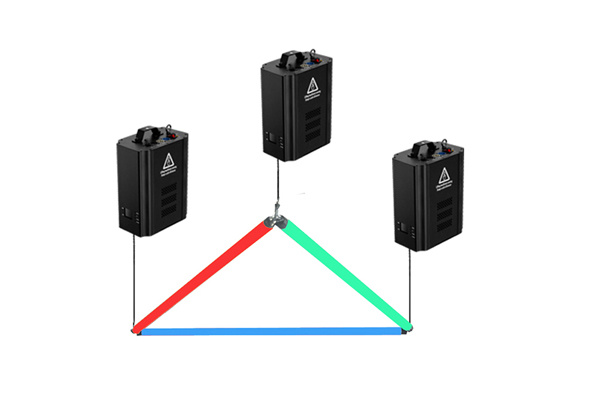
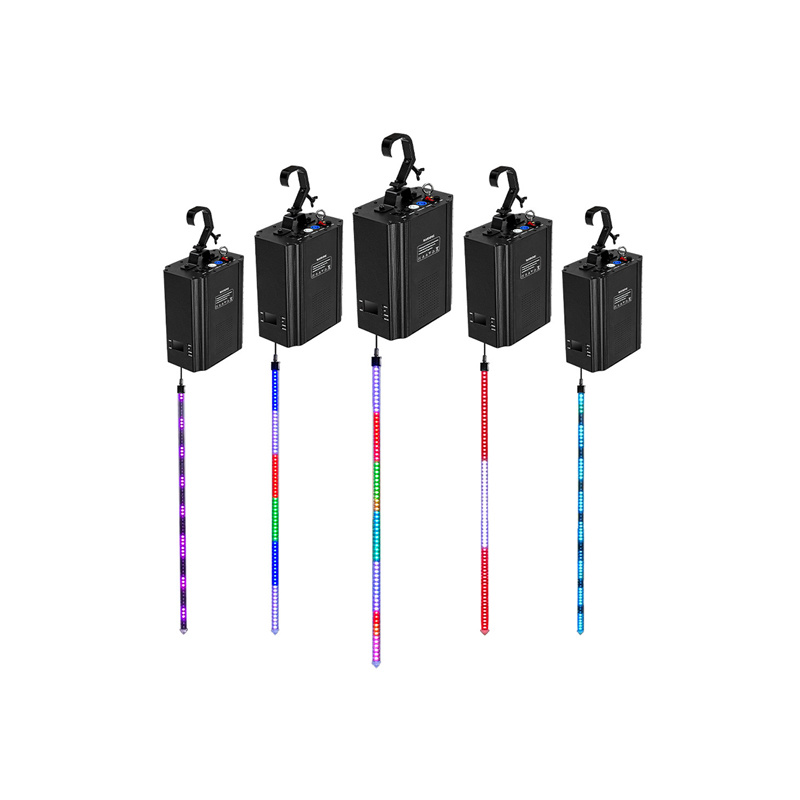
A kinetic tube light is essentially a motorized LED lighting system. It combines a vertical lifting mechanism (usually a DMX-controlled winch) with a programmable LED tube. The result? Light that doesn’t just shine—it moves.
And that movement changes everything.
How Does a Kinetic Tube Light Actually Work?
At first glance, it may seem complicated. In reality, the system is built from a few core parts working together.
The Key Components
- LED Tube – Produces colour, brightness, and pixel effects
- DMX Winch Motor – Controls the vertical movement
- Control System – Sends signals (DMX controller, Madrix, Resolume, etc.)
- Rigging Structure – Keeps everything stable and safe
What’s Happening Behind the Scenes?
The controller sends signals to both the light and the motor. The tube changes colour while moving up or down—sometimes slowly, sometimes in sharp, rhythmic motion.
This is where kinetic lighting stands out. You’re not just designing lighting anymore. You’re designing motion.
Where Do Kinetic Tube Lights Make the Most Impact?
Not every project needs kinetic lighting. But in the right environment, it can completely transform the space.
Concerts and Stage Performances
Here, kinetic tube lights create depth. Layers. Movement that follows music. It’s not just lighting—it becomes part of the show.
Nightclubs and Bars
If your goal is to keep people engaged, static lights won’t cut it anymore. Kinetic systems add energy to the room, especially when synced with music.
Exhibitions and Brand Events
In crowded exhibition halls, attention is everything. Moving lights naturally draw the eye, making your booth hard to ignore.
Weddings and Private Events
More clients are asking for something “different.” Kinetic tube lights deliver that high-end, modern atmosphere—without needing massive setups.
Why Are More Professionals Choosing Kinetic Tube Lights?
There’s a reason this product keeps showing up in modern lighting designs.
Movement Creates Emotion
Static lighting can look great. But once you add vertical motion, the entire atmosphere shifts. It feels alive.
Full Creative Control
With the right software, you can fine-tune everything:
- Speed
- Height
- Color transitions
- Patterns
Simple effects or complex shows—it’s up to you.
Flexible for Different Project Sizes
You don’t need a huge budget to start. A small setup works. Later, you can scale it into something much bigger.
What Should You Check Before Buying?
This is where many buyers make mistakes—focusing only on price and ignoring the details that actually matter.
Ceiling Height Matters More Than You Think
If your venue is too low, movement becomes limited. Ideally, you want at least 3–5 meters to see real effects.
Motor Quality Is Critical
A cheap motor can ruin the experience:
- Noise issues
- Jerky movement
- Short lifespan
It’s worth investing in reliable winches.
Control Compatibility
Make sure your system supports:
- DMX512
- Popular software like Madrix
Otherwise, programming becomes frustrating fast.
Installation Requirements
Some systems are quick to install. Others need professional rigging. Know this in advance—it affects both cost and timeline.
How Much Does a Kinetic Tube Light System Cost?
Prices vary. Quite a bit, actually.
- Single unit (tube + winch): around $150–$400
- Medium setup (20–50 units): $3,000–$15,000+
Why the gap? It comes down to:
- Motor performance
- LED quality
- System stability
- Manufacturer

If you’re buying in bulk, working directly with a factory can significantly reduce costs.
Practical Tips for Getting Better Results
Even a good system won’t look impressive without proper setup.
Think About Layout Early
A clean grid gives you structured effects. A random layout feels more artistic. Neither is “better”—it depends on your goal.
Use the Right Software
Basic controllers work. But if you want advanced visuals, software like Madrix makes a noticeable difference.
Always Test Before the Event
This sounds obvious, but it’s often skipped. A quick test can save you from:
- Signal issues
- Sync problems
- Unexpected glitches
Common Issues (And How to Avoid Them)
Unsynchronized Movement
Usually caused by incorrect DMX addressing. Double-check your setup.
Noticeable Motor Noise
This often points to lower-quality winches. Better hardware solves it.
Inconsistent Lighting Output
Power supply or calibration issues are usually the cause. Keep your system balanced.
Is a Kinetic Tube Light the Right Choice for You?
It depends on what you’re trying to achieve.
If you just need basic illumination, this is probably overkill.
But if your goal is to create an experience—something people remember—kinetic tube lights are hard to beat.
They don’t just light up a space. They shape it.
Final Thoughts
Kinetic tube lights are no longer just a “premium add-on.” In many modern stage and event setups, they’ve become a core element of design.
Still, the key isn’t just buying the system. It’s choosing the right configuration, installing it properly, and using it creatively.
Get those three things right, and the results speak for themselves.
FAQs
1. Are kinetic tube lights difficult to install?
It depends on the setup. Small systems are manageable, but larger installations usually require professional rigging.
2. How many units do I need for a good effect?
For smaller venues, 10–20 units can work well. Larger productions often use 50 or more.
3. Can I control them without advanced software?
Yes, but your effects will be limited. Advanced software unlocks the full potential.
4. How long do kinetic tube lights last?
With good-quality motors and LEDs, they can last several years with proper maintenance.
5. Are they suitable for permanent installations?
Absolutely. Many nightclubs and venues use them as fixed lighting systems.
Previous Page
Previous Page
More Cases


Online Message
Quick Links
Contact Information
Address: A8 Building Meiwang Industrial Park, Guangtang south street, Huadu District,Guangzhou, China.
Phone: +86 158 1889 3706
WhatsApp:+86 158 1889 3706