
Kinetic Beam Ring: Stage Lighting Guide & Buying Tips
Classification:
summary description]
If you’ve been searching for a kinetic beam ring, chances are you’ve seen those dramatic stage visuals where lights don’t just shine—they move, float, and reshape the entire space. It’s not just lighting anymore. It’s part of the performance.
But what exactly is it, and more importantly, is it the right choice for your project?
Let’s break it down in a practical, no-nonsense way and see if it fits your needs.
So, What Is a Kinetic Beam Ring?
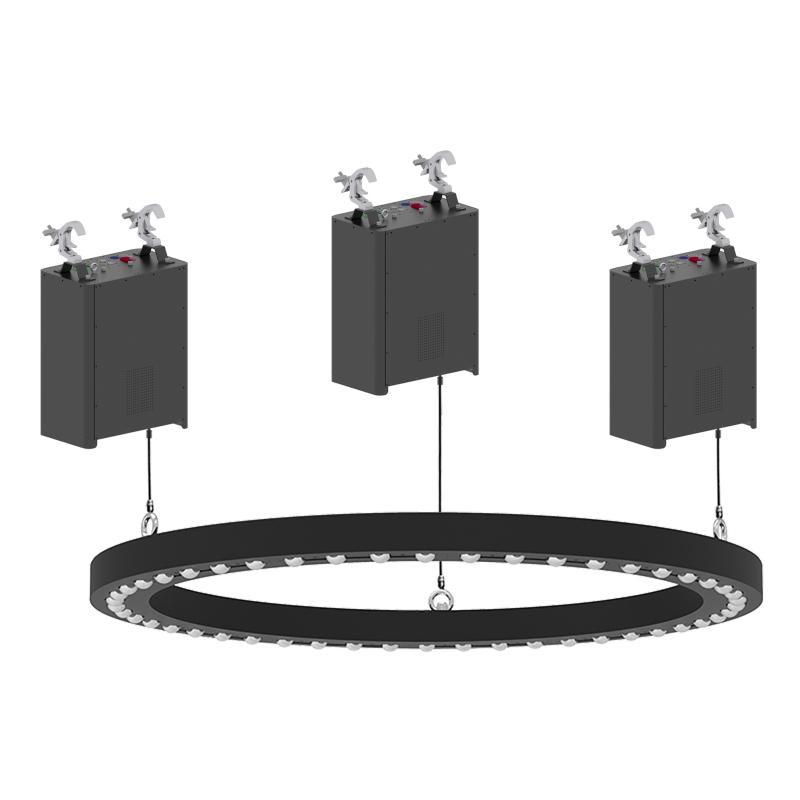
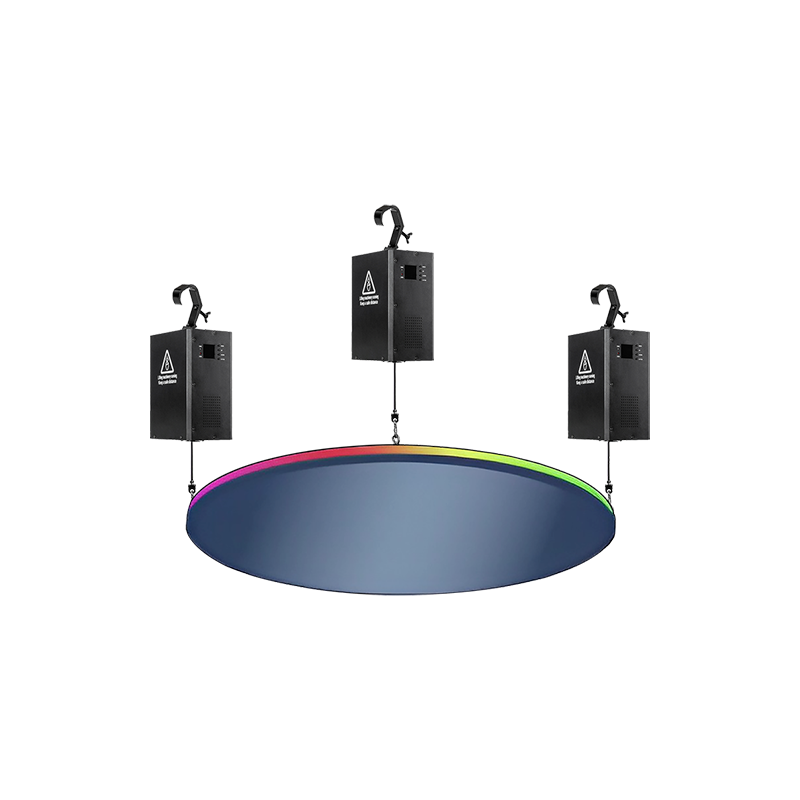
At its core, a kinetic beam ring is a motorized lighting fixture that combines a circular beam light with a lifting system. Sounds simple—but the effect is anything but.
Unlike traditional fixtures, the ring moves vertically—fully controlled. Syncing motion with beam effects creates a layered, architectural lighting look.
It’s the difference between lighting a stage… and building one with light.
How It Actually Works (Without the Overcomplication)
You don’t need to be an engineer to understand this. The system usually comes down to three main parts:
The Ring Light
This is the visible part—the circular fixture. It outputs sharp, focused beams, often in RGBW (which stands for Red, Green, Blue, and White) or high-intensity white. Think clean lines, not washed-out light.
The Motor (DMX Winch)
This is what gives the fixture life. The motor—often called a winch—lifts and lowers the ring smoothly, and it’s all controlled through DMX (which stands for Digital Multiplex, a standard for lighting control). Precision matters here—cheap motors ruin the effect.
The Control System
Here’s where things get interesting. With a DMX console or software like Madrix (a lighting show control program), you control both light and movement at the same time. That’s how you get synchronized shows instead of random motion.
Why People Are Switching to Kinetic Beam Rings
There’s a reason you’re seeing these more often in high-end venues.
It Adds a New Dimension
Most lighting moves left and right, maybe tilts. This moves vertically. That alone changes how a stage feels.
It Looks Premium—Because It Is
Whether it’s a nightclub or a corporate launch event, kinetic lighting immediately raises the perceived value of the production.
It’s Flexible
Slow movement works for weddings; fast for DJs. Same fixture, different vibe.
You might be wondering where a kinetic beam ring has the most impact. Let’s look at some top use cases.
You don’t need a massive festival stage to use a kinetic beam ring, but context matters.
Nightclubs
Probably the most common use case. The movement syncs perfectly with music, especially electronic genres.
Concerts and Touring Stages
Used as a central visual element or in clusters. When multiple rings move together, the effect is hard to ignore.
Brand Events and Installations
If the goal is to impress, this lighting delivers without excessive decoration.
Weddings and Private Events
Works well here too. With softer programming, it creates an elegant atmosphere.
Choosing the Right Kinetic Beam Ring (What Actually Matters)
Not all systems are created equal. This is where buyers often make mistakes.
Lifting Height
Check your venue first. There’s no point buying a 9-meter system if your ceiling is 5 meters.
Motor Quality
This is critical. Smooth, quiet, and stable movement makes all the difference. A poor winch system will ruin even the best lighting design.
Beam Sharpness
Look for tight beam angles and strong output. Weak beams get lost, especially in large spaces.
Control Compatibility
At minimum, you’ll want DMX512 (an enhanced version of DMX supporting more channels). If you’re running complex shows, Art-Net (a protocol for sending DMX data over Ethernet) support is a big plus.
Build and Reliability
These systems are used overhead. Durability isn’t optional—it’s essential.
Installation: What You Should Know Before You Buy
This isn’t plug-and-play lighting.
You’ll need a proper truss or ceiling structure. Load calculations matter. Safety cables are not optional. And unless you have experience, programming will take time—or a professional.
That said, once it’s set up correctly, the system is surprisingly stable and repeatable.
Kinetic Beam Ring vs Traditional Lighting
Here’s the honest comparison:
- Traditional lighting is reliable, familiar, and easier to manage.
- Kinetic lighting is more complex—but far more impactful.
If your goal is basic illumination, stick with standard fixtures.
If your goal is to create a visual experience people remember, kinetic wins. No contest.
With the pros and cons in mind, is a kinetic beam ring worth the investment?
It depends on your goals and desired outcome.
If you’re running a venue, producing events, or building stages where visual impact matters, a kinetic beam ring isn’t just “nice to have.” It becomes part of your identity.
Yes, the upfront cost is higher. But so is the return—in attention, audience engagement, and overall production value.
Final Thoughts
A kinetic beam ring sits somewhere between lighting equipment and stage design. It doesn’t just support the show—it becomes part of it.
If you’re aiming to stand out, especially in a crowded market, this is the kind of upgrade that people notice immediately. Not because it’s flashy, but because it feels different.
And in this industry, different is what gets remembered.
FAQs
Is a kinetic beam ring difficult to control?
Not really, but it does require some learning. Basic DMX control is straightforward, while advanced effects take more programming time.
How many units do I need for a good effect?
Even a few can make an impact, but most setups use multiple units for symmetry and dynamic movement.
Can it be used in small venues?
Yes, as long as you choose a system with a suitable lifting height and adjust the programming accordingly.
What’s the biggest mistake buyers make?
Focusing too much on price and not enough on motor quality. Movement is everything in kinetic lighting.
Does it require regular maintenance?
Yes. Like any motorized system, periodic checks ensure safety and consistent performance.
Previous Page
Previous Page
More Cases


Online Message
Quick Links
Contact Information
Address: A8 Building Meiwang Industrial Park, Guangtang south street, Huadu District,Guangzhou, China.
Phone: +86 159 7549 0982
WhatsApp:+86 158 1889 3706