
Kinetic Lighting Factory: Professional Stage Lighting Manufacturer
Classification:
summary description]
Kinetic lighting is swiftly emerging as a hallmark of contemporary stage design. In nightclubs, concerts, TV studios, and large-scale events, dynamic lighting installations craft immersive atmospheres unattainable by traditional fixtures.
If you are seeking a kinetic lighting factory, you likely intend to install stage lighting, enhance nightclub ambiance, or develop a bespoke event setup. However, supplier research quickly reveals an array of choices. Factories differ in systems, technology, and service standards. Without clear insights, factory selection can seem daunting.
This guide will walk you through what a kinetic lighting factory does, the key products it offers, and most importantly, how to choose a reliable manufacturer—so you can navigate the selection process with confidence.
What Does a Kinetic Lighting Factory Actually Do?
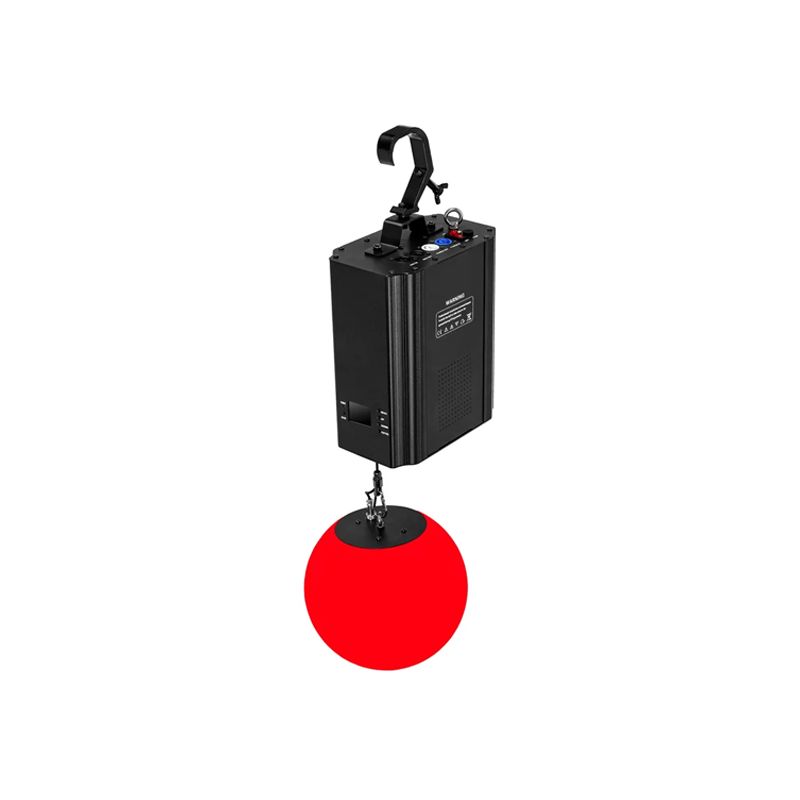
A kinetic lighting factory engineers and constructs lighting systems, blending motion with illumination. Unlike fixed stage lights, kinetic lighting lets fixtures ascend or descend through motorized winches while projecting lighting effects.
The result is a three-dimensional lighting experience. Lights rise, fall, and rearrange themselves during a show, transforming the stage space in real time.
Producing these systems requires expertise in both lighting engineering and mechanical design, which is why specialized factories dominate this niche of the stage lighting industry.
Core Products Manufactured by Kinetic Lighting Factories
Most established kinetic lighting factories deliver both mechanical and lighting components. These elements function together as one unified system.
DMX Winch Motors
The winch motor anchors all kinetic lighting systems. It governs vertical movement and ensures seamless transitions during performances.
Reliable winches are designed to:
- Lift lighting fixtures safely.
- Maintain stable movement speeds.
- Respond accurately to DMX signals.
- Operate quietly in performance environments.
A poorly crafted motor risks erratic motion or synchronization errors, which is why buyers typically consider motor quality paramount when choosing a manufacturer.

Kinetic Lighting Fixtures
The lighting fixture is the system’s visual centrepiece. Distinct shapes and builds generate unique visual effects.
Common examples include:
- Kinetic LED balls
- Kinetic beam rings
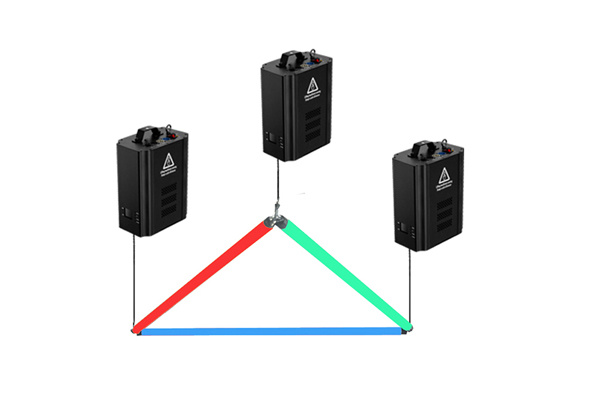
- Kinetic LED tubes
- Kinetic geometric shapes
- Kinetic laser balls
Coordinated fixture movement allows designers to sculpt patterns, waves, or geometric figures in the air above the stage.
Control Systems and Programming
Movement and lighting demand complete synchronization, achieved via DMX control systems or advanced lighting software.
With precise programming, kinetic lights synchronize to music, shift formations mid-performance, or deliver striking visuals at pivotal moments.
Why Kinetic Lighting Is Transforming Stage Design
The popularity of kinetic lighting has grown rapidly over the past decade. Designers are no longer limited to static lighting positions. Instead, they can reshape the stage environment throughout a performance.
Dynamic Visual Movement
Motion naturally captures attention. When lights move through space, audiences perceive depth and rhythm in ways that static fixtures cannot provide.
Flexible Stage Layouts
Kinetic lighting empowers stages to morph during a show. Fixtures can drop to simulate a ceiling, then ascend to unveil open space.
Integration With Music and Performance
Through DMX programming, kinetic lights can respond directly to music cues. This synchronization is especially powerful in concerts and nightclub environments.
Reusable Production Equipment
Unlike disposable stage props, kinetic lighting platforms are designed for adaptability and reuse across diverse events.
How to Evaluate a Kinetic Lighting Factory
Not all manufacturers provide equal engineering, reliability, or support. If sourcing kinetic equipment, use these criteria to identify top-tier factories.
Manufacturing Experience
Experience matters in this industry. Factories that have spent years developing kinetic lighting systems usually understand the challenges involved in motion control, signal stability, and stage safety.
Experienced manufacturers are more likely to deliver systems that work reliably under real-world conditions.
Product Variety
A premier kinetic lighting factory supplies varied fixture types. This adaptability lets lighting designers harmonize shapes and effects in one setup.
A broad product lineup often signals advanced design expertise and extensive engineering resources.
Customization Capabilities
Many stage designs demand tailored solutions. Ceiling height, venue scale, and creative vision differ widely by project.
Professional factories often support customization, such as:
- Custom fixture designs
- Adjustable lifting heights
- Special RGBW lighting configurations
- Project-specific mounting structures
For nightclubs and fixed venues, customization is often indispensable.
Quality Testing
Because kinetic lighting features moving hardware suspended overhead, safety and longevity are vital.
Reliable factories usually conduct multiple tests before shipping products, including:
- Motor load testing
- Continuous movement testing
- Lighting calibration
- Signal stability verification
Such tests verify the system’s consistency and reliability for live productions.
Technical Support and After-Sales Service
Installation and programming can prove complex, especially for first-time users. A qualified kinetic lighting factory must offer technical guidance throughout.
Support may include installation instructions, DMX configuration assistance, and troubleshooting help.
Effective after-sales service significantly enhances the operation of advanced lighting systems.
Where Kinetic Lighting Systems Are Commonly Used
Kinetic lighting now extends well beyond concert venues. Today, it energizes a spectrum of entertainment and commercial environments.
Nightclubs and Entertainment Venues
Nightclubs often mount kinetic lighting over dance floors. Moving LED balls or beam rings fuel dynamic visuals that elevate the atmosphere and entice patrons.
Concert and Touring Productions
Major concert productions depend on kinetic lighting. These systems inject movement and grandeur, helping designers sculpt memorable stage effects.
Luxury Events and Weddings
Opulent weddings and corporate events frequently showcase kinetic lighting installations to create elegant, enveloping environments.
Exhibitions and Commercial Installations
Brands leverage kinetic displays at trade exhibitions to captivate passersby and foster visitor engagement.
Working With a Kinetic Lighting Factory: What Buyers Should Prepare
Successful projects begin with precise planning. Before reaching manufacturers, collect essential project details.
Define Your Venue Conditions
Important information includes:
- Ceiling height
- Stage size
- Installation structure
- Available rigging points
These factors influence which kinetic system will work best.
Determine the Desired Visual Effect
Think about the atmosphere you want to create. Some projects emphasize elegant motion, while others focus on dramatic stage transformations.
Sharing mood imagery or design sketches helps factories identify optimal products.
Confirm Technical Requirements
Discuss technical details early in the process, including:
- Maximum lifting height
- Fixture weight
- DMX channel requirements
- Control compatibility with existing lighting systems
Clear discussions at this phase avert costly alterations later.
Why Many Buyers Work Directly With Kinetic Lighting Manufacturers
Some buyers purchase through distributors, while others prefer to work directly with factories. Direct cooperation often offers several advantages.
Competitive Pricing
Factories offer direct pricing, eliminating distributor markups and reducing total project costs.
Faster Communication
Direct engagement with engineers accelerates customization and streamlines technical dialogue.
Product Expertise
Manufacturers possess deep system knowledge and can tailor recommendations to each venue.
Long-Term Support
Factory partnerships simplify access to spare parts and system upgrades.
Frequently Asked Questions
How much does a kinetic lighting system cost?
Pricing varies depending on the number of fixtures, motor specifications, and customization requirements. Small installations may cost several thousand dollars, while large concert systems can be significantly more expensive.
Are kinetic lighting systems difficult to install?
Most systems are within the capability of skilled stage technicians. However, meticulous planning and expert guidance ensure safe installation.
Can kinetic lighting systems work with existing lighting consoles?
Yes. Most modern kinetic lighting systems support DMX512 control, a common digital protocol for operating stage lighting, which allows them to integrate with standard lighting consoles.
How reliable are kinetic lighting motors?
Premium motors are engineered for longevity and sustained operation. Selecting a trusted factory safeguards reliability.
Is customization available for large venues?
Many kinetic lighting factories provide customized solutions tailored to specific venues, stage sizes, and design concepts.
Conclusion
Kinetic lighting has opened new creative possibilities for stage designers, event producers, and venue operators. By combining motion with lighting effects, these systems turn ordinary spaces into dynamic visual environments.
However, the success of a kinetic lighting installation depends heavily on choosing the right kinetic lighting factory. A reliable manufacturer provides not only high-quality equipment but also technical expertise, customization options, and long-term support.
Previous Page
More Cases


Online Message
Quick Links
Contact Information
Address: A8 Building Meiwang Industrial Park, Guangtang south street, Huadu District,Guangzhou, China.
Phone: +86 158 1889 3706
WhatsApp:+86 158 1889 3706