
Stage Light Bar Guide: Types, Uses & Buying Tips
Classification:
summary description]
When people search for a stage light bar, they are usually trying to solve a practical problem. Maybe the stage looks flat. Maybe the lighting setup takes too long. Or the existing fixtures simply don’t create the atmosphere expected by clients or audiences.
A stage light bar is often chosen because it offers a simple answer to several of these issues at once. It provides wide coverage, reduces setup complexity, and adds visual consistency without requiring a large number of individual lights. For DJs, event planners, rental companies, and venue owners, that combination matters.
This guide explains what a stage light bar actually does, when it makes sense to use one, and how to avoid common buying mistakes.
What Is a Stage Light Bar?
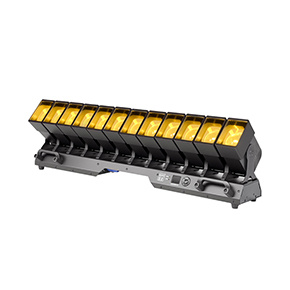
A stage light bar is a linear lighting fixture that combines multiple LED sources into a single housing. Instead of placing several separate lights across a truss or stage edge, users can install one unit and achieve similar — or better — coverage.
In practice, this means fewer cables, faster installation, and cleaner rigging.
Modern LED stage light bars are designed to handle both functional lighting and visual effects. Some models focus on smooth color washing, while others create beam effects, chasing patterns, or strobe-style movement. The difference depends on optics, LED configuration, and control options.
Why Many Users Prefer Stage Light Bars
The popularity of stage light bars didn’t happen by accident. They solve real workflow problems.
Faster Setup, Less Equipment
Anyone who has built a stage under time pressure understands the value of reducing fixture count. One light bar can replace several traditional lights, which means fewer clamps, fewer power connections, and less programming time.
For mobile DJs and rental companies, this alone can justify the investment.
More Even Lighting
Uneven lighting is a common issue, especially on smaller stages. Bright spots in one area and shadows in another can ruin the visual balance. A stage light bar spreads light more evenly, making performers, backgrounds, and stage elements look consistent.
This becomes especially important for video recording or live streaming.
Flexible for Different Event Types
A single fixture can work in multiple environments. Today it might be a wedding stage wash; tomorrow it could be part of a nightclub setup. That flexibility makes stage light bars attractive for users who need equipment that adapts to different jobs.
Different Types of Stage Light Bars
Not every stage light bar is designed for the same purpose, and this is where many buyers get confused.
LED Wash Light Bars
These are built for smooth, even color output. The light is soft and wide, making it ideal for background illumination or wall washing.
Common uses include:
- Stage backdrops
- Wedding and event lighting
- Ambient color effects
Beam and Effect Light Bars
These models focus more on movement and energy. Narrow beams, chase effects, and strobe functions are often included.
They are commonly used in:
- Nightclubs
- DJ performances
- Concert environments
Outdoor or Waterproof Light Bars
For outdoor stages, weather protection becomes essential. IP-rated models prevent moisture and dust from affecting performance.

What to Look for Before Buying
Price is often the first comparison point, but it rarely tells the full story. Performance over time depends on several technical details.
Brightness and Output
Higher wattage does not automatically mean brighter light. Lens design and LED efficiency play a big role. For larger stages or venues with strong ambient lighting, output becomes critical.
Control Options
If the lighting system grows in the future, compatibility matters. DMX512 control remains the standard for professional environments, while built-in programs are helpful for smaller setups.
Color Performance
RGB works well for basic color mixing. RGBW fixtures usually produce cleaner whites and smoother transitions, which makes a noticeable difference on camera.
Build Quality
Lighting fixtures often run for hours without interruption. Good heat dissipation and solid housing materials extend lifespan and reduce maintenance issues.
Common Mistakes Users Make
Many issues appear only after installation. Fortunately, they are easy to avoid.
Choosing insufficient brightness.
A light that looks strong in a showroom may disappear on a large stage.
Ignoring beam angle.
Too narrow, and coverage becomes uneven. Too wide, and the effects lose definition.
Overcomplicated control systems.
Not every setup needs advanced programming. Sometimes simplicity improves reliability.
How Stage Light Bars Fit into Modern Lighting Design
Lighting design has shifted over the years. Instead of relying only on spot fixtures, designers now use linear lighting to create structure and depth.
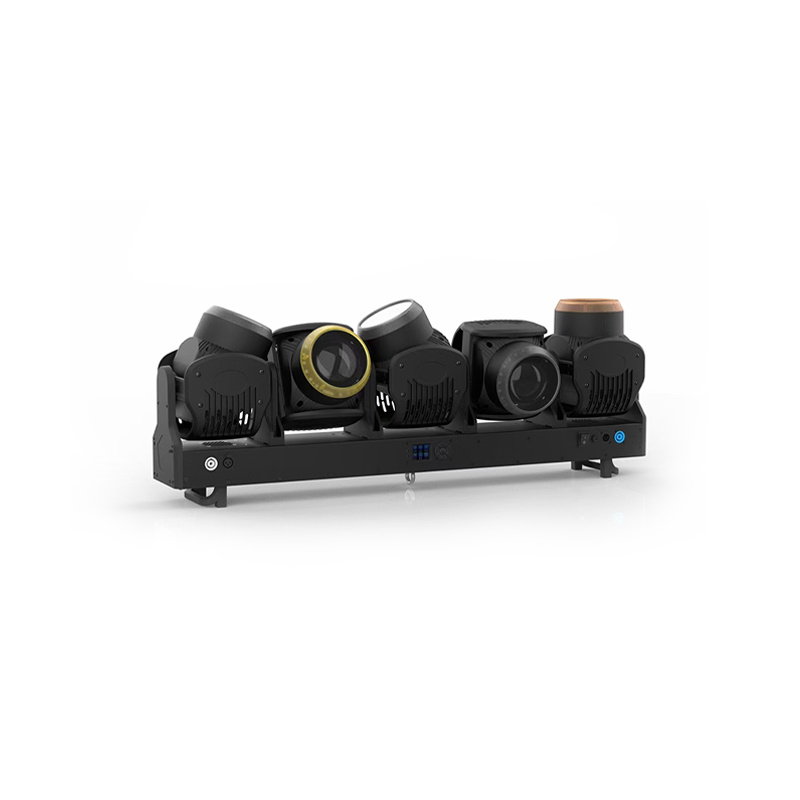
Stage light bars help define stage edges, highlight architectural lines, and create motion across horizontal spaces. When combined with moving head lights or kinetic lighting systems, they add layers rather than competing for attention.
The result feels more dynamic without becoming visually overwhelming.
Choosing the Right Stage Light Bar for Your Needs
Before making a decision, it helps to step back and consider the actual use case:
- Is the setup permanent or mobile?
- How wide is the stage area?
- Is the goal atmosphere or high-energy effects?
- Will the fixture integrate into an existing DMX system?
Clear answers to these questions usually lead to the right choice faster than comparing specifications alone.
Conclusion
A stage light bar is not just another lighting fixture. For many users, it becomes the backbone of a lighting setup because it simplifies installation while improving visual consistency. The key is understanding how the fixture will actually be used in real situations, not just how it looks on paper.
When chosen correctly, a stage light bar saves time, improves stage appearance, and adapts easily as lighting requirements evolve.
FAQs
1. What makes a stage light bar different from PAR lights?
Stage light bars provide linear coverage using multiple LEDs, while PAR lights are single-source fixtures designed for focused illumination.
2. Are stage light bars suitable for small venues?
Yes. Compact models are commonly used in small stages and DJ setups because they reduce equipment volume and setup time.
3. Can beginners use stage light bars without DMX control?
Most models include automatic or sound-active modes, allowing operation without programming knowledge.
4. How many stage light bars are typically needed?
For small to medium stages, two to four units are usually enough for balanced coverage.
5. Do LED stage light bars require high power consumption?
No. LED technology provides strong output while maintaining relatively low energy consumption compared to traditional lighting systems.
Previous Page
Previous Page
More Cases


Online Message
Quick Links
Contact Information
Address: A8 Building Meiwang Industrial Park, Guangtang south street, Huadu District,Guangzhou, China.
Phone: +86 158 1889 3706
WhatsApp:+86 158 1889 3706