
Stage Lighting Equipment Guide for Events and Venues
Classification:
summary description]
When users search for stage lighting equipment, they are rarely looking for theory. Most of the time, they are trying to solve a real problem — their stage looks flat, their lighting feels unprofessional, or they simply don’t know which fixtures are actually necessary. The market offers endless options, and without clear guidance, it’s easy to overspend or build a system that looks impressive on paper but performs poorly in practice.
This guide approaches stage lighting from the user’s perspective. Instead of focusing only on specifications, it explains how different lighting equipment works together and how to choose a setup that delivers reliable results in real situations.
What Does Stage Lighting Equipment Actually Include?
Stage lighting equipment is not a single product. It is a system made up of multiple components working together to shape visibility, atmosphere, and visual impact.
In most professional environments, the system may include:
- Moving head lights (beam, spot, or wash)
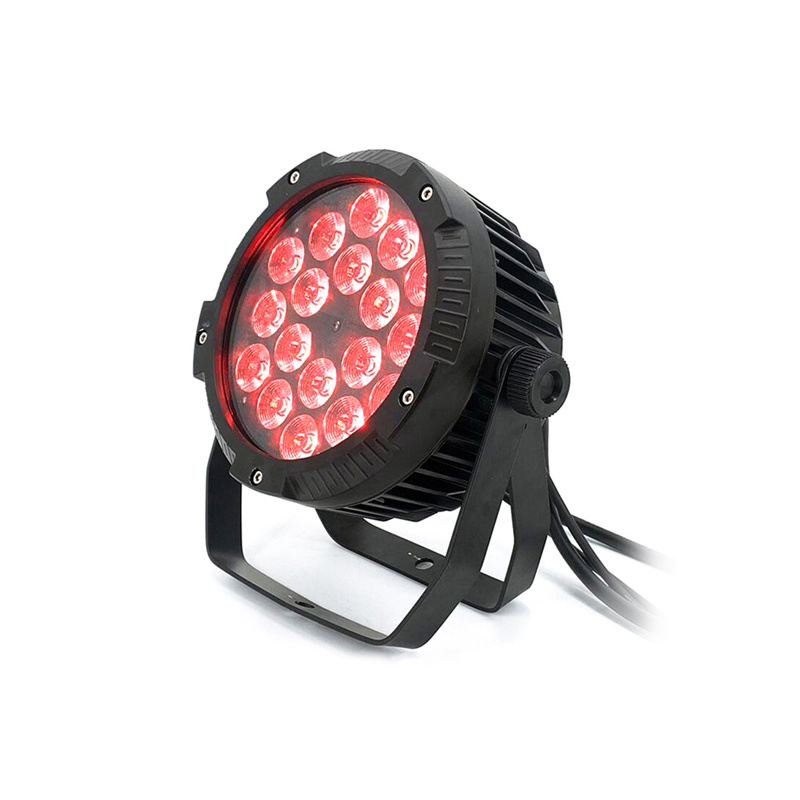
- LED PAR lights for color filling
- Effect lights such as strobes or pixel bars
- Laser lighting for dynamic visuals
- DMX controllers or lighting software
- Truss and rigging structures
- Power and signal distribution
- Kinetic lighting systems for movement-based effects
Each category serves a different purpose. Problems usually appear when too much attention is placed on one type of fixture while others are ignored.

Why the Right Stage Lighting Equipment Makes a Difference
Lighting does more than illuminate performers. It defines how the audience experiences the entire event.
First, visibility. Without proper front and wash lighting, even high-end performances lose clarity. Faces disappear, colors look dull, and the stage feels disconnected from the audience.
Second, emotion. Lighting controls energy. Soft color transitions create atmosphere, while sharp beam movements increase intensity and excitement. The same stage can feel completely different depending on how the lighting is used.
And finally, efficiency. Modern LED fixtures reduce power consumption and maintenance costs, which becomes especially important for venues operating several nights per week.
Main Types of Stage Lighting Equipment and When to Use Them
Understanding the role of each fixture helps avoid common purchasing mistakes.
Moving Head Lights
Moving heads are often the visual centerpiece of modern stage lighting. Beam fixtures create strong aerial effects, spot lights project patterns, and wash lights provide smooth coverage across performers or stage backgrounds. Most professional setups rely on a combination of all three.
LED PAR Lights
PAR lights are simple but essential. They fill space with color, eliminate dark areas, and support the overall lighting balance. Many beginners underestimate their importance until they see how empty a stage looks without proper wash lighting.
Effect Lighting
Strobes, LED bars, and laser effects are designed to add energy rather than basic illumination. They work best as accents, especially in concerts, clubs, and festival environments.
Kinetic Lighting Systems
Kinetic lighting introduces motion into the design. Fixtures move vertically through DMX-controlled winches, creating depth and three-dimensional visual effects. These systems are increasingly used in concerts, exhibitions, and high-end nightclubs where visual identity matters.
How to Choose Stage Lighting Equipment Based on Real Needs
The best lighting decisions usually start with practical questions, not technical data sheets.
Consider the Venue Size
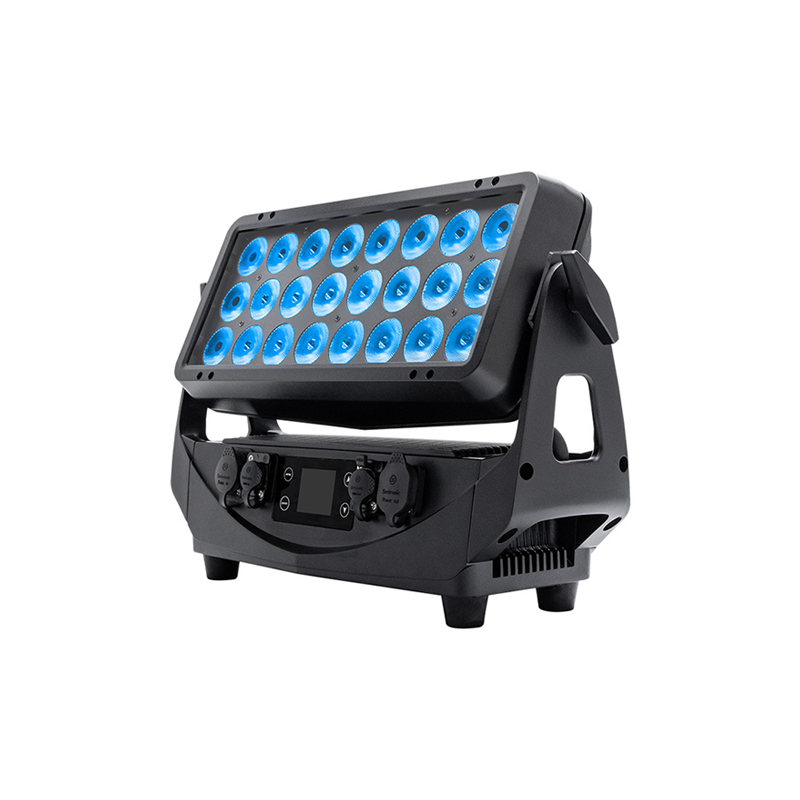
Large stages require higher output and longer beam distance. Smaller venues benefit from wider angles and softer coverage. Too much brightness in a small space often creates glare instead of impact.
Define the Event Type
Different events demand different lighting behavior. Concerts and DJ shows require movement and dynamic effects. Corporate events and weddings typically need smoother transitions and comfortable color temperatures.
Check Control Compatibility
DMX512 remains the industry standard. Choosing compatible fixtures from the beginning prevents serious limitations when expanding the system later.
Think About Maintenance
Reliable cooling, stable electronics, and available spare parts matter more than peak brightness numbers. Equipment that fails during an event quickly becomes more expensive than higher-quality alternatives.
Common Mistakes Buyers Often Regret Later
Many lighting systems fail not because of budget limitations, but because of planning mistakes.
A common example is purchasing too many effect lights while neglecting wash lighting. The result looks chaotic instead of professional. Another issue is ignoring operator experience — complex systems without trained technicians often go underused.
Power planning is another overlooked detail. Insufficient distribution or poor cable management can cause instability even when the fixtures themselves are high quality.
Balanced systems almost always outperform oversized ones.
Where Stage Lighting Equipment Is Heading
Stage lighting technology continues to evolve, but the direction is clear. Users are moving toward systems that are flexible, efficient, and visually immersive.
LED technology now dominates due to lower energy consumption and longer lifespan. Pixel mapping allows designers to treat lighting fixtures as video elements. Kinetic lighting and motion-based effects are becoming more common as venues look for ways to differentiate their visual experience.
The focus is no longer just brightness. It is control, creativity, and adaptability.
Conclusion
Choosing the right stage lighting equipment is ultimately about understanding how lighting functions in a real environment. The goal is not to own the most fixtures, but to build a system where every light serves a purpose. When visibility, atmosphere, and control are balanced correctly, even a modest setup can deliver professional results.
For users planning a new installation or upgrading an existing stage, focusing on practical usage and long-term flexibility will always lead to better decisions than chasing specifications alone.
FAQs
1. What stage lighting equipment should beginners start with?
A practical starting setup includes LED PAR lights for wash coverage, several moving head lights for dynamics, and a simple DMX controller.
2. How many lights are enough for a small stage?
Most small stages work well with 6–10 fixtures, depending on layout and ceiling height.
3. Why is LED stage lighting widely used today?
LED fixtures consume less power, generate less heat, and require less maintenance compared to traditional lighting.
4. What is the difference between beam, spot, and wash lights?
Beam lights create narrow aerial effects, spot lights project patterns, and wash lights provide wide, even illumination.
5. How can stage lighting look more professional?
Layering is key. Combine wash lighting for visibility, beam effects for movement, and accent lighting for depth instead of relying on a single fixture type.
Previous Page
Previous Page
More Cases


Online Message
Quick Links
Contact Information
Address: A8 Building Meiwang Industrial Park, Guangtang south street, Huadu District,Guangzhou, China.
Phone: +86 158 1889 3706
WhatsApp:+86 158 1889 3706