
Stage Beam Light: Complete Guide for Stage Lighting
Classification:
summary description]
When people search for a stage beam light, they are rarely looking for theory. Most are trying to solve a practical problem — how to create sharp, visible lighting effects that instantly make a stage look more professional. Some want a stronger nightclub atmosphere, others need long-throw beams for concerts or large venues. The challenge is that specifications alone don’t explain how a beam light actually performs in real situations.
This guide focuses on what users actually need to know before choosing a stage beam light, based on real application scenarios rather than technical jargon.
What Is a Stage Beam Light?
A stage beam light is designed to produce a very narrow and concentrated beam of light. Instead of filling a space with brightness, it creates defined shafts of light that travel long distances and remain visible in the air.
This is why beam lights look especially impressive when haze or fog is used. The light itself becomes part of the visual effect.
Typical characteristics include:
- Narrow beam angles, often between 1° and 5°
- High intensity output
- Clean and sharp beam edges
- Fast movement for dynamic effects
- Strong aerial visibility
In simple terms, beam lights are not meant to illuminate the stage evenly. Their purpose is to create impact.
Why Stage Beam Lights Are So Widely Used
From a user’s perspective, beam lights solve several common lighting problems at once.
First, they add depth. A stage without beam effects often looks flat, even when bright enough. Once beams start moving through space, the entire environment feels more dynamic.
Second, they help synchronize lighting with music. Fast pan and tilt movements allow lighting designers or DJs to match rhythm changes naturally.
And finally, beam lights increase perceived production value. Even a small venue can look significantly more professional with properly programmed beam effects.
Important Features to Consider Before Buying
Many users focus only on wattage, but real performance depends on several combined factors.
Light Source and Output
Modern beam lights are typically LED-based or use discharge lamps. LEDs are now widely preferred because of their longer lifespan and lower maintenance. They also generate less heat, which matters in fixed installations running for hours every night.
For medium-sized clubs or indoor stages, high-efficiency LED beam lights are usually more than enough.
Beam Angle
A tighter beam angle produces stronger aerial effects. If your venue regularly uses haze machines, a narrow beam will appear brighter and more defined even at lower power levels.
Movement and Responsiveness
Speed matters more than many users expect. Slow movement can make lighting effects feel outdated, especially in DJ or concert environments where transitions happen quickly.
Control Compatibility
Professional setups normally require DMX512 control at a minimum. Compatibility with advanced control systems allows smoother integration with existing lighting rigs.

Build Quality and Cooling
Beam lights often operate continuously. Stable cooling systems and solid internal construction directly affect lifespan and consistency.
Stage Beam Light vs Wash Light: Understanding the Difference
This is one of the most common questions from buyers.
Beam lights create focused aerial effects. Wash lights, on the other hand, spread light across surfaces and performers. One creates drama; the other provides coverage.
In most professional stage designs, both are used together. Beam lights create movement and excitement, while wash lights ensure the stage remains visible and balanced.
Where Stage Beam Lights Perform Best
Because of their intensity and long throw capability, beam lights are suitable for a wide range of environments:
- Concert stages and touring productions
- Nightclubs and DJ performances
- Music festivals
- Theater shows
- Corporate events and launches
- Television productions
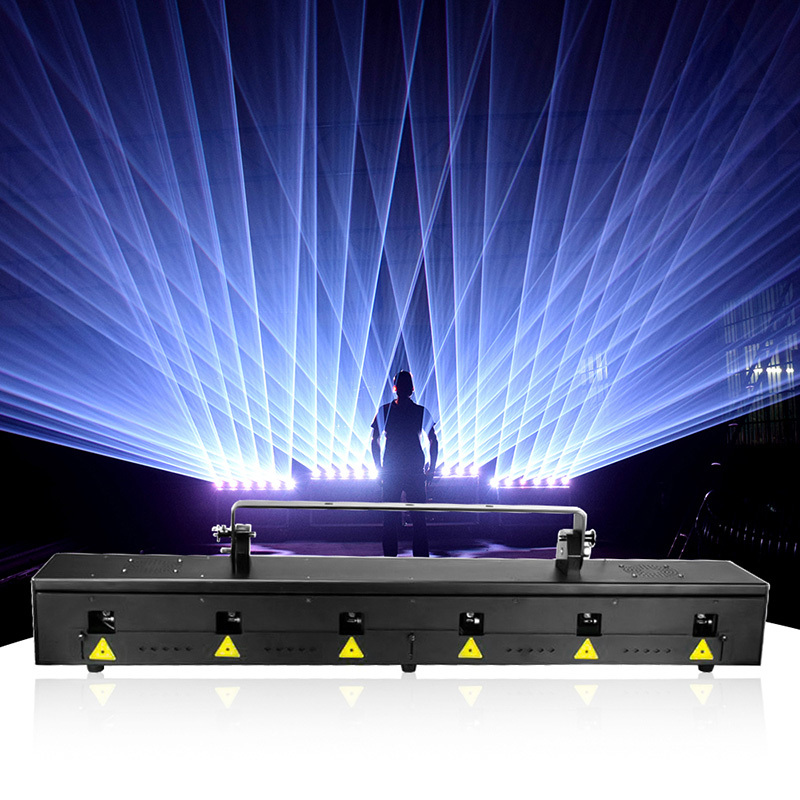
Their role is always similar — drawing attention and shaping visual energy.
Choosing the Right Stage Beam Light for Your Venue
Before making a decision, it helps to step back and consider the actual working environment.
A small indoor venue does not benefit from extremely high-power fixtures designed for outdoor festivals. Likewise, large stages require stronger output to maintain visibility over distance.
Ask yourself:
- How large is the venue?
- What is the ceiling height?
- Will the lights be permanently installed or frequently moved?
- What control system is already in use?
- Is long-term maintenance a concern?
Clear answers to these questions usually lead to better purchasing decisions than comparing specifications alone.
Conclusion
A stage beam light is not simply about brightness. It is about creating movement, atmosphere, and visual focus. When chosen correctly, beam lighting transforms a stage from functional to memorable.
Understanding how beam angle, movement speed, and real-world application interact allows users to invest in equipment that performs reliably instead of just looking impressive on paper. For venues, event organizers, and lighting professionals, beam lights remain one of the most effective tools for building immersive stage experiences.
FAQs
1. What makes a beam light different from a spot light?
Beam lights produce narrow aerial beams, while spot lights are mainly used to highlight performers or project patterns.
2. Are LED beam lights suitable for professional shows?
Yes. Modern LED beam lights provide strong output, long lifespan, and lower maintenance compared with traditional lamps.
3. Do I always need haze to use beam lights?
No, but haze significantly improves visibility by allowing beams to be seen clearly in the air.
4. How many beam lights are recommended for small venues?
Most small stages achieve good results with four to eight fixtures, depending on layout and programming.
5. Can stage beam lights be used outdoors?
Yes, as long as the fixture has appropriate weather protection or an IP rating for outdoor environments.
Previous Page
Previous Page
More Cases


Online Message
Quick Links
Contact Information
Address: A8 Building Meiwang Industrial Park, Guangtang south street, Huadu District,Guangzhou, China.
Phone: +86 159 7549 0982
WhatsApp:+86 158 1889 3706