
LED Stage Lights Guide: How to Choose the Right Lighting
Classification:
summary description]
When people search for LED stage lights, they are rarely looking for theory. Most are trying to solve a practical problem — the stage looks flat, the lighting feels outdated, power consumption is too high, or the visual impact simply isn’t strong enough.
Good stage lighting does more than illuminate performers. It shapes atmosphere, directs audience attention, and ultimately determines how professional a performance feels. Choosing the right LED stage lights, however, is not always straightforward. Specifications alone rarely tell the full story.
This guide explains what actually matters from a user’s perspective, helping you avoid common mistakes and choose lighting that works in real-world environments.
What Are LED Stage Lights and Why Are They So Widely Used?
LED stage lights use light-emitting diodes as the light source instead of traditional halogen or discharge lamps. That part is simple. What changed the industry is not just the technology itself, but what it allows lighting designers to do.
LED fixtures respond instantly. Colors change without filters. Brightness can be adjusted smoothly. Multiple fixtures can be synchronized through DMX control to create scenes that were once complicated and expensive to achieve.
Today, LED stage lighting is commonly found in concerts, clubs, theaters, houses of worship, corporate events, and touring productions. In many venues, traditional lighting has almost completely disappeared.
The reason is practical — LEDs are efficient, flexible, and easier to maintain over time.
Why Users Prefer LED Stage Lights Over Traditional Fixtures
For most buyers, the decision comes down to long-term usability rather than technology hype.
Lower Power Consumption
LED fixtures deliver high brightness while consuming less electricity. For venues operating several hours every day, this translates directly into reduced operating costs.
Longer Service Life
Lamp replacement used to be a routine expense. With LED sources lasting tens of thousands of hours, maintenance intervals become much longer. Rental companies and fixed installations benefit the most from this change.
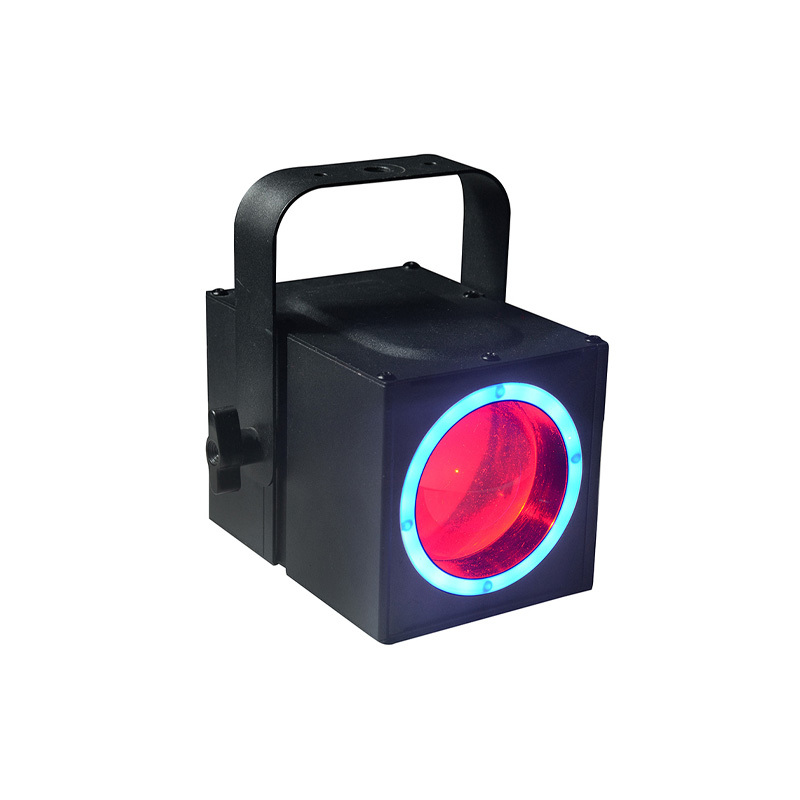
Less Heat on Stage
Traditional fixtures generate significant heat, which affects both performers and equipment. LEDs run cooler, making the environment more comfortable and safer, especially indoors.
Faster Creative Control
RGB or RGBW color mixing allows instant changes during performances. Lighting scenes can evolve in real time instead of relying on manual adjustments.
Main Types of LED Stage Lights and When to Use Them
Not all LED stage lights serve the same purpose. Many purchasing mistakes happen because users choose fixtures based on price or wattage rather than application.
LED PAR Lights
PAR lights are primarily used for wash lighting. They provide even color coverage and are often the foundation of a lighting setup.
Common uses include small stages, weddings, background lighting, and architectural illumination.
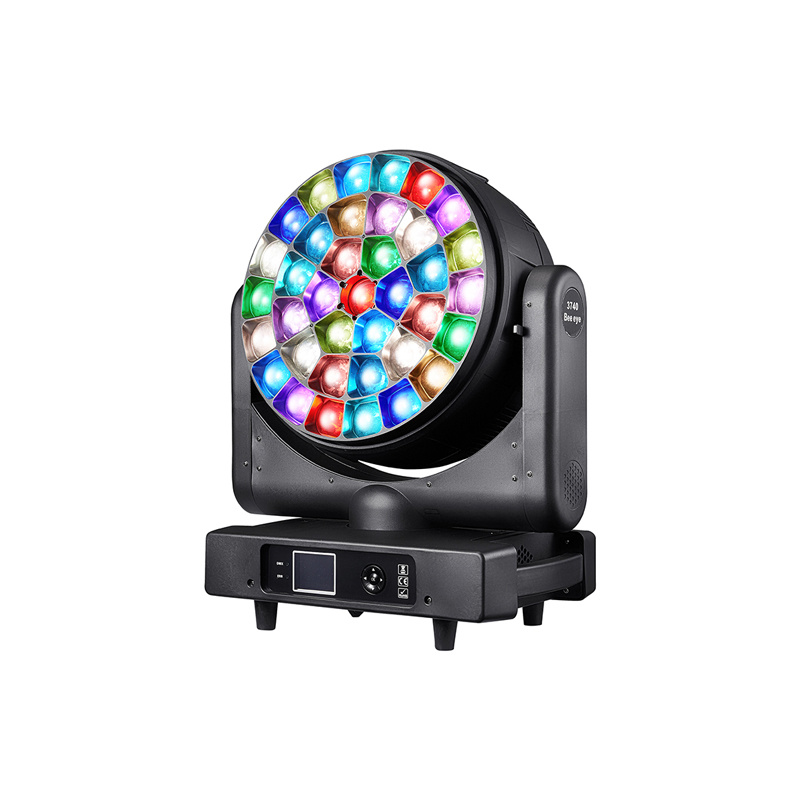
LED Moving Head Lights
Moving heads introduce motion. Pan and tilt movement allows beams and effects to travel across the stage, adding energy and depth to performances.
They are widely used in concerts, nightclubs, and medium to large productions.
LED Beam Lights
Beam lights produce narrow, concentrated shafts of light that remain visible through haze or smoke. When used correctly, they create strong visual layers above the audience.
These fixtures are popular in festivals and high-energy DJ environments.
LED Effect Lights
Effect lights focus on visual impact rather than general illumination. Strobes, pixel effects, and dynamic animations fall into this category and are often used to emphasize musical transitions or key moments.
How to Choose LED Stage Lights Without Regret
Specifications can be misleading if taken out of context. A powerful light does not automatically produce better results.
Consider Venue Size First
A small indoor stage does not require the same output as a large concert setup. Excessive brightness can actually reduce visual comfort and flatten the scene.
Check Control Compatibility
If you plan to expand your lighting system later, DMX512 compatibility is essential. It allows fixtures from different categories to work together smoothly.
Beam Angle Matters More Than Many Expect
Wide beams are suitable for washes, while narrow beams create dramatic effects. Choosing the wrong angle often leads to disappointing results, even when brightness is sufficient.
Reliability Over Specifications
Stable cooling systems and consistent drivers matter more than peak output numbers. Professional fixtures maintain performance over long operating periods.
Common Problems Users Encounter
Many users experience similar frustrations after installation.
Sometimes the lights appear bright, yet the stage still looks visually weak. In most cases, the issue lies in positioning or beam angle rather than power.
Color inconsistency is another common complaint. Lower-quality LEDs may produce uneven tones, especially noticeable when multiple fixtures are used together.
Programming difficulty can also slow down setup. Fixtures with clear channel modes and logical control layouts save significant time during events.
Matching LED Stage Lights to Different Applications
Lighting priorities vary depending on the user.
Event planners usually value quick installation and portability. Nightclubs focus on movement and dynamic effects. Theater environments require smooth dimming and accurate color rendering, while rental companies prioritize durability and consistency across multiple events.
Understanding the primary application helps narrow choices quickly and prevents unnecessary investment.
Conclusion
LED stage lights have become the standard not because they are newer, but because they solve practical problems. They reduce energy consumption, simplify control, and allow greater creative freedom without increasing maintenance complexity.
The key is not choosing the brightest fixture or the newest model. It is choosing lighting that fits the space, the performance style, and the long-term use scenario. When these factors align, LED stage lighting stops being equipment and becomes part of the performance itself.
FAQs
1. How many LED stage lights are needed for a small stage?
A typical small stage setup includes 4–8 LED PAR lights for wash coverage and 1–2 moving heads for dynamic effects.
2. Are LED stage lights suitable for outdoor events?
Yes, provided the fixtures have appropriate waterproof ratings such as IP65 or higher.
3. Is a DMX controller necessary?
Not always. Many fixtures have automatic modes, but DMX control allows precise synchronization and professional results.
4. How long do LED stage lights usually last?
Professional LED fixtures typically operate between 30,000 and 50,000 hours under normal conditions.
5. Can LED stage lights fully replace traditional lighting?
In most modern applications, yes. LED technology now offers comparable brightness with greater efficiency and flexibility.
Previous Page
Previous Page
More Cases


Online Message
Quick Links
Contact Information
Address: A8 Building Meiwang Industrial Park, Guangtang south street, Huadu District,Guangzhou, China.
Phone: +86 159 7549 0982
WhatsApp:+86 158 1889 3706