
Stage Lighting Guide: Tips for Choosing the Right Fixtures
Classification:
summary description]
Stage lighting is not just about making a stage brighter.
For many event organizers, it’s the difference between a performance that feels flat and one that truly connects with the audience.
If you’ve searched for stage lighting, chances are you’re not looking for theory. You want clear answers. What lights do you actually need? Which ones are worth the money? And how do you avoid buying equipment that doesn’t fit your venue?
This guide is written from a practical, user-first perspective. No unnecessary jargon. Just real explanations that help you make the right decision.
What Stage Lighting Really Does (Beyond Illumination)
At a basic level, stage lighting helps people see what’s happening on stage. But in real applications, it does much more than that.
Good stage lighting:
-
Directs the audience’s attention
-
Creates emotional atmosphere
-
Supports music, movement, and storytelling
-
Enhances professionalism and brand perception
Poor lighting, on the other hand, is instantly noticeable. Even non-professionals can feel when something is “off.”
Why Choosing Stage Lighting Feels Confusing for Many Users
Most people don’t struggle because there are too few options.
They struggle because there are too many.
Common issues users face include:
-
Not understanding the difference between beam, wash, and spot lights
-
Buying lights that are too weak for the venue
-
Confusion about DMX control and compatibility
-
Overspending on features they don’t actually need
If this sounds familiar, you’re not alone.
The Main Types of Stage Lighting (Explained Simply)
Moving Head Lights
Moving head lights are widely used because they combine movement, color, and effects in one fixture.
They can rotate, tilt, change colors, and project patterns. This makes them ideal when flexibility matters.
Common uses:
Concert stages, DJ events, clubs, touring productions
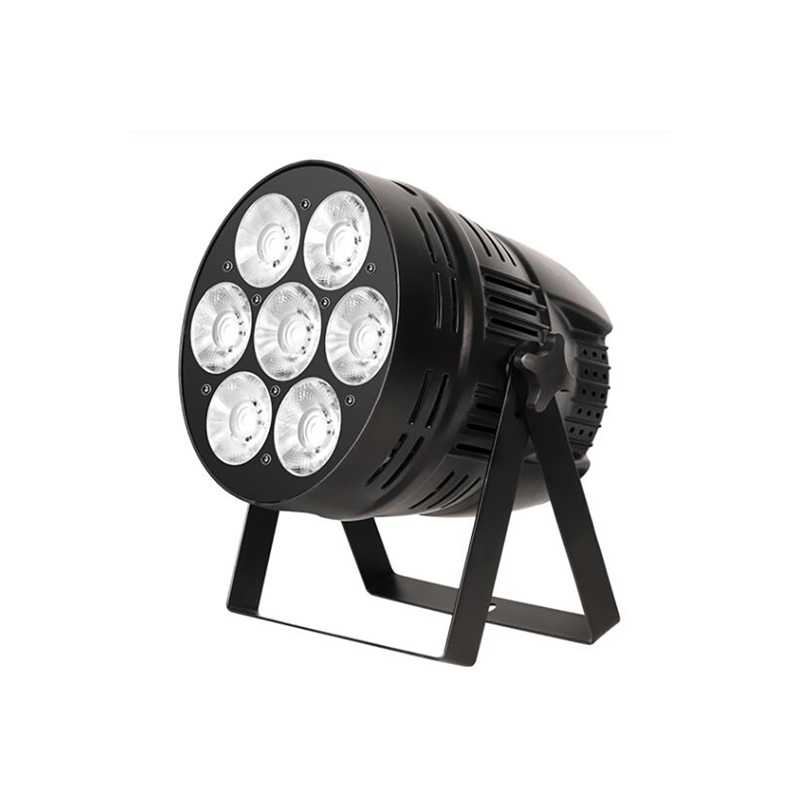
LED Par Lights
LED par lights are often underestimated. They don’t move, but they are essential.
They provide even, wide coverage and are commonly used to light performers, backgrounds, or stage structures.
Common uses:
Theaters, small stages, corporate events, permanent installations
Beam Lights
Beam lights produce narrow, sharp beams with high intensity.
They are not designed for general lighting. Instead, they are used to create visual impact, especially when combined with haze or smoke.
Common uses:
Nightclubs, festivals, EDM shows
Effect Lighting
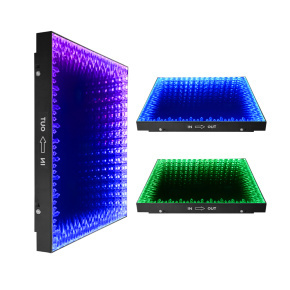
Effect lighting includes strobes, lasers, pixel lights, and kinetic lighting systems.
These fixtures are usually not the foundation of a lighting setup, but they add personality and visual depth when used correctly.
Understanding DMX Control Without the Technical Headache
DMX512 is the industry-standard protocol for stage lighting control.
In simple terms, it allows multiple lights to “talk” to one controller.
With DMX, you can:
-
Synchronize lights
-
Create lighting scenes
-
Control movement, color, and effects in real time
If you plan to use more than one fixture, DMX control is not optional. It’s essential.
How to Choose the Right Stage Lighting for Your Event
Before buying or installing stage lighting, step back and ask a few practical questions.
How Big Is the Venue?
A small indoor stage does not need high-power beam lights.
A large concert stage does.
Matching light output to venue size avoids wasted budget and poor results.
What Type of Event Is It?
Different events need different lighting behavior.
-
Concerts and clubs benefit from movement and effects
-
Theater performances require consistency and accuracy
-
Corporate events prioritize clean, professional lighting
What Is Your Real Budget?
Cheap lights often look attractive at first.
But frequent failures, color inconsistency, and short lifespan can quickly cost more in the long run.
Professional LED fixtures usually offer better value over time.
Indoor vs Outdoor Stage Lighting: What You Must Know
Outdoor stage lighting comes with extra challenges.
Weather resistance, brightness, and durability all matter.
Always check the IP rating if the lights will be exposed to rain, dust, or humidity.
Using indoor fixtures outdoors is one of the most common and costly mistakes.
Why Professional Stage Lighting Is Worth the Investment
Stage lighting is not a one-time purchase. It’s part of your long-term setup.
High-quality lighting equipment offers:
-
Stable performance
-
Accurate colors
-
Longer operational life
-
Better compatibility with control systems
This reliability is especially important for venues and rental companies.
Final Thoughts: Stage Lighting Should Work for You, Not Against You
The best stage lighting setup is not the most expensive one.
It’s the one that fits your venue, your event, and your real needs.
By understanding the basic types of stage lighting and how they work together, you can avoid common mistakes and build a system that delivers consistent, professional results.
Frequently Asked Questions
How many stage lights do I need for a small stage?
There is no fixed number, but most small stages require basic wash lighting plus a few effect or accent lights.
Is LED stage lighting suitable for professional events?
Yes. Modern LED fixtures are widely used in professional concerts, theaters, and clubs.
Do all stage lights support DMX?
Most professional fixtures do, but entry-level lights may not. Always check specifications.
Can stage lighting be installed permanently?
Yes. Many venues use permanent installations with DMX-controlled systems.
Which stage light is the most versatile?
Moving head lights are generally the most flexible option for different event types.
Previous Page
More Cases


Online Message
Quick Links
Contact Information
Address: 2nd Floor, Building A8, Meiwan Science and Technology Park, Huadu District, Guangzhou City, Guangdong Province
Phone: +86 159 7549 0982
WhatsApp:+86 158 1889 3706