
3D Dance Floor: Types, Prices & Buying Guide
Classification:
summary description]
A 3D dance floor can turn an ordinary venue into a visual attraction. From nightclubs and wedding halls to event rental businesses, it adds lighting effects that traditional flooring cannot provide.
However, not every product called a 3D dance floor works in the same way. Some use mirrors to create an illusion of endless depth, while others rely on LED panels to display colors, animations, or video. Understanding these differences will help you choose a floor that fits your space, budget, and intended use.
What Is a 3D Dance Floor?
A 3D dance floor creates a three-dimensional visual effect through reflections, lighting, or digital displays.
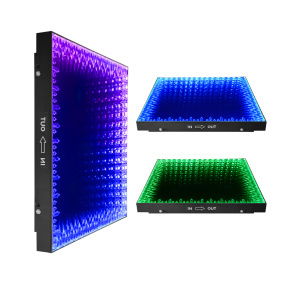
An infinity mirror dance floor uses reflective layers and internal lights to make the floor appear much deeper than it is. A programmable LED dance floor, by comparison, can display changing colors, patterns, and animations. Some advanced models also support video content.
Before purchasing, ask the supplier which technology the product uses. The term “3D” alone does not guarantee video playback or interactive features.
Types of 3D Dance Floors
1. Infinity Mirror Dance Floor
This type creates a tunnel-like effect through repeated reflections. It is popular in nightclubs, DJ areas, and themed entertainment venues where visual impact matters.
Check the mirror finish, panel alignment, and appearance under your venue’s lighting conditions. Scratches and uneven reflections can affect the final result.
2. Programmable LED Dance Floor
LED panels display colors, patterns, and animations. Depending on the controller and display resolution, some systems can also show custom graphics or video.
These floors suit nightclubs, weddings, and corporate events. If you need video playback, confirm the resolution, pixel pitch, and supported content formats before ordering.
3. Portable Modular Dance Floor
Modular panels can be assembled, dismantled, and transported between events. They are a practical option for rental companies and temporary installations.
Pay attention to connection methods, panel weight, transport cases, and replacement parts. Faster setup and easier repairs can save time across repeated bookings.
How to Choose the Right 3D Dance Floor
1. Measure your space. Calculate the required floor area and check panel dimensions. Leave enough room for entrances, furniture, and walkways.
2. Check load capacity. The floor must be designed for people to walk and dance on it. Ask for load-rating documentation and check slip resistance, panel joints, and edge transitions.
3. Choose the right effects. Infinity mirrors create visual depth, while programmable LEDs offer more flexibility with colors and animations. Do not pay for video or interactive features unless your project needs them.
4. Confirm control compatibility. Check whether the system uses a dedicated controller, DMX512, or video-processing equipment. Compatibility with your existing stage lights should be confirmed before purchase.
5. Consider maintenance. Ask whether individual panels can be replaced and whether spare parts and technical support are available.

How Much Does a 3D Dance Floor Cost?
The price depends on floor size, display technology, panel construction, control equipment, customization, and shipping.
When requesting a quotation, provide your required dimensions, intended application, preferred effects, and control requirements. Ask whether the price includes the controller, accessories, packaging, and delivery.
International buyers should also budget for customs duties, local transportation, and installation. For rental businesses, compare the purchase cost with expected booking frequency and ongoing maintenance expenses.
Installation and Maintenance
Before installation, check that the site is level and suitable for the proposed system. Plan power supply, cable routing, panel layout, and access to control equipment.
After assembly, test the lighting effects and inspect panel connections, surface condition, and edge transitions. Permanent installations should meet applicable electrical and building requirements.
For maintenance, use manufacturer-approved cleaning products. Inspect panels and connectors regularly, replace damaged parts, and follow the specified temperature and moisture limits. A glass-like surface does not automatically mean the floor is waterproof.
Frequently Asked Questions
Can a 3D dance floor display videos?
Some models can, but others only support lighting effects. Confirm the display resolution and controller specifications.
Is a 3D LED dance floor safe to walk on?
Only if it is designed and installed for pedestrian use; check load capacity, slip resistance, and installation documentation.
Should I buy or rent a 3D dance floor?
Renting may suit one-off events. Purchasing may be more economical for venues and rental companies with regular demand.
What information is needed for a quotation?
Provide the floor dimensions, application, desired visual effects, control requirements, installation location, and estimated quantity.
Find the Right 3D Dance Floor.
The best 3D dance floor is not necessarily the one with the most effects. It is the one that meets your technical requirements, fits your venue, and remains practical to operate.
Compare construction, safety, control compatibility, maintenance, and total project cost before making a decision. With clear specifications, you can compare suppliers more accurately and avoid paying for features your project does not need.
Previous Page
Next Page
Previous Page
Next Page
More Cases


Online Message
Quick Links
Contact Information
Address: A8 Building Meiwang Industrial Park, Guangtang south street, Huadu District,Guangzhou, China.
Phone: +86 158 1889 3706
WhatsApp:+86 158 1889 3706