
PAR Cans Lighting Guide: How to Choose the Best LED PAR Lights
Classification:
summary description]
If you’ve been researching PAR cans lighting, chances are you’re not after a history lesson. You’re trying to figure out which lights will actually work for your venue, event, or installation.
Maybe you’re outfitting a small stage, replacing outdated halogen fixtures, or planning a lighting system for a nightclub, church, or wedding venue. Whatever the project, the same questions usually come up:
- Should I buy LED or halogen?
- How many fixtures will I need?
- Is a higher wattage always better?
- Which beam angle is right for my stage?
The answers aren’t always obvious. Product specifications only tell part of the story, and two fixtures with similar numbers on paper can perform very differently in real-world use.
This guide is written from a buyer’s perspective. Rather than listing technical specifications, we’ll focus on what matters when choosing PAR cans lighting and how to avoid expensive purchasing mistakes.
What Is PAR Cans Lighting?
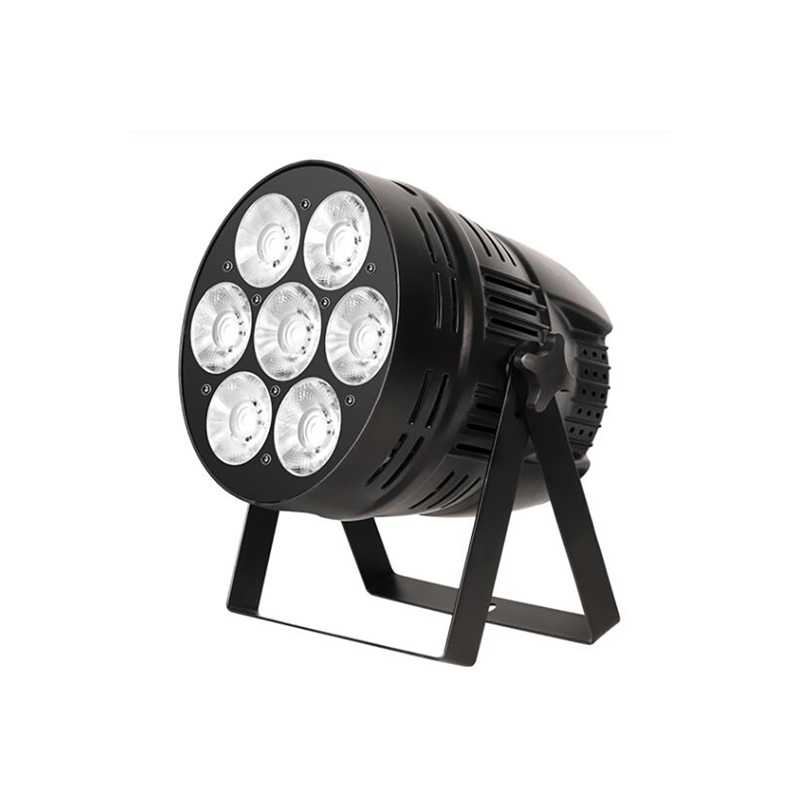
PAR stands for Parabolic Aluminized Reflector. Originally, PAR fixtures used halogen lamps housed inside a reflective aluminum casing to produce a strong, directional beam.
Although lighting technology has evolved considerably, the name has remained. Today, when people refer to PAR cans, they usually mean LED PAR fixtures that use high-efficiency LEDs instead of traditional bulbs.
Despite the rise of moving head lights and other intelligent fixtures, PAR cans haven’t disappeared. In fact, they remain one of the first fixtures lighting designers specify because they’re dependable, versatile, and capable of producing smooth, even washes of light.
A professional lighting system might include beam lights, moving heads, lasers, and special effects, but PAR cans often provide the foundation that ties the entire design together.
Why Do Professionals Still Use PAR Cans?
It’s easy to assume that newer technology has replaced PAR lights, but that’s not really what happened.
Instead, their role has changed.
Moving heads create movement. Lasers add visual impact. Effect lights generate excitement.
PAR cans do something equally important—they provide consistent illumination.
Whether you’re lighting performers, highlighting architectural features, or washing a stage in color, you need fixtures that deliver even coverage without drawing attention to themselves. That’s exactly where PAR lights excel.
They’re also known for reliability. There are no complex moving mechanisms, fewer parts that can fail, and maintenance is relatively straightforward. For rental companies running equipment week after week, that’s a significant advantage.
Where Are PAR Cans Most Commonly Used?
One of the biggest strengths of PAR lighting is flexibility. The same fixture can work in completely different environments with excellent results.
Live Performances
Bands, theaters, and touring productions use PAR cans to illuminate performers from the front, side, or rear. Proper placement creates depth and helps separate performers from the background.
Churches
Many churches prefer LED PAR fixtures because they operate quietly and generate very little heat. Soft white lighting creates a welcoming atmosphere without distracting the audience.
Weddings and Banquet Halls
Lighting can dramatically change the mood of a venue. Warm white tones create an elegant setting for ceremonies, while colorful washes transform the same room into a lively reception space later in the evening.
Nightclubs and Entertainment Venues
PAR cans rarely work alone in clubs. They’re usually combined with moving head lights and effect lighting to build layers of color throughout the venue.
Outdoor Events
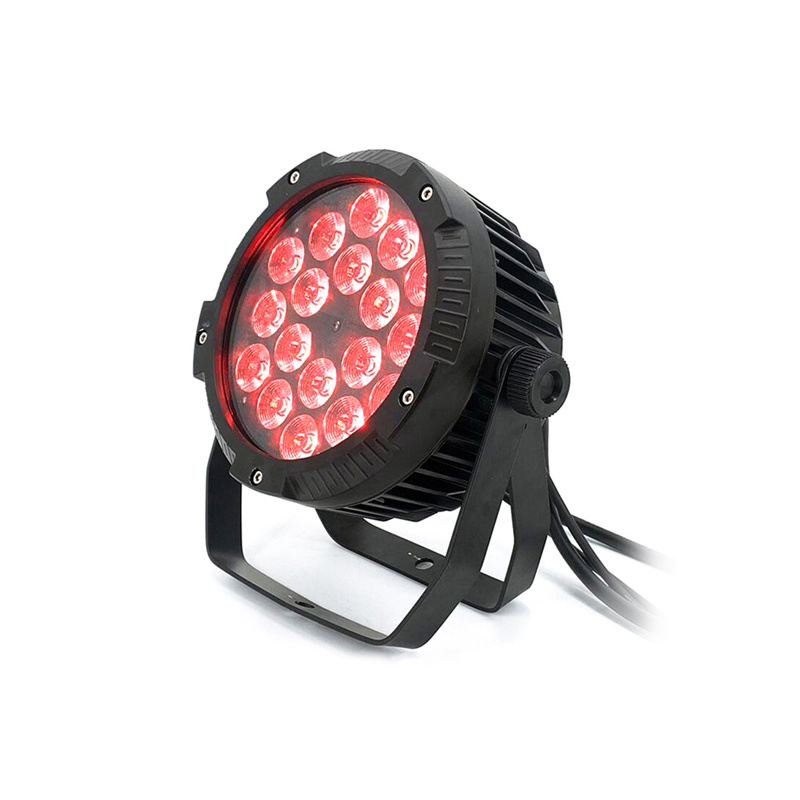
With waterproof IP65 models, PAR fixtures can illuminate stages, building facades, gardens, or temporary event spaces regardless of weather conditions.
LED PAR Cans vs Traditional Halogen Fixtures
This is probably the question buyers ask most often.
While halogen fixtures still have their place in certain theatrical productions, LED technology has become the standard for most commercial applications.
LED PAR fixtures consume far less electricity, stay much cooler during operation, and offer a wide range of colors without the need for color filters. Maintenance is also significantly lower because LEDs last much longer than halogen lamps.
Traditional PAR cans are less expensive to purchase initially, but operating costs add up over time. Lamp replacements, higher electricity bills, and increased heat generation all contribute to higher long-term expenses.
For venues that use lighting regularly, LED fixtures almost always prove to be the more economical investment.
How to Choose the Right PAR Cans Lighting
Buying stage lighting isn’t just about comparing prices. The right fixture depends on how and where it will be used, plus the brightness, beam angle, control options, and overall build quality it offers.
Consider the Size of Your Venue
A small café stage obviously doesn’t require the same lighting setup as a concert hall.
Many buyers make the mistake of purchasing powerful fixtures for compact venues, only to discover that the lighting feels harsh and difficult to control.
Instead of asking which light is brightest, ask whether it’s appropriate for your space.
Don’t Focus Only on Wattage
One of the biggest misconceptions in stage lighting is that more watts automatically mean more brightness.
They don’t.
LED chip quality, optical design, lens efficiency, driver stability, and color calibration all influence the final output. A well-engineered 150W fixture can outperform a cheaper 200W alternative in brightness and color consistency.
That’s why experienced buyers often request photometric data instead of simply comparing wattage.
Choose the Correct Beam Angle
Beam angle affects how light spreads across a surface.
Narrow beams create concentrated illumination over longer distances, making them useful for highlighting performers or architectural features.
Wide beams distribute light more evenly, making them ideal for stage washes, walls, and banquet halls.
Selecting the wrong beam angle often creates uneven lighting that no amount of programming can fully correct.
Think About Control Options
Even if you’re starting with a small lighting setup, it’s worth considering future expansion.
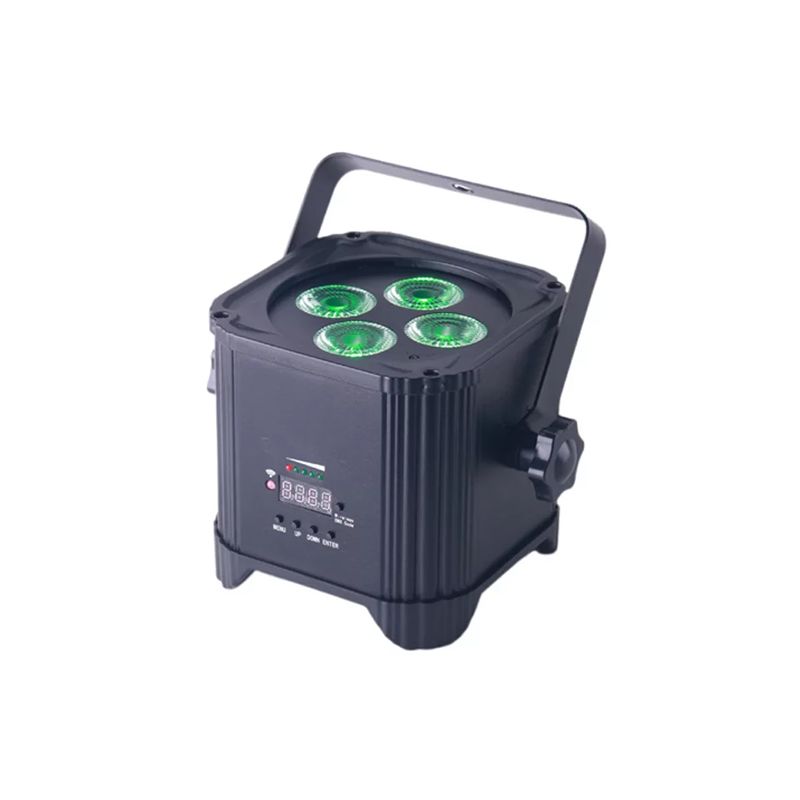
Fixtures that support DMX512 can integrate into larger lighting systems later, saving both time and money when additional equipment is added.
Common Buying Mistakes
After working with lighting projects of all sizes, certain purchasing mistakes appear again and again.
The first is choosing fixtures based entirely on price.
Lower-cost products often use inexpensive LEDs, weaker power supplies, and lower-quality housings. They may work well at first but become unreliable after months of continuous operation.
Another common mistake is overlooking cooling performance.
Heat is one of the biggest factors affecting LED lifespan. Well-designed fixtures manage heat efficiently, maintaining stable brightness during long events.
Finally, many buyers underestimate the importance of after-sales support. Spare parts, technical assistance, and firmware updates become increasingly valuable over the lifetime of the equipment.
How Many PAR Lights Do You Actually Need?
There’s no universal answer because every venue is different.
A small performance area may only require six to eight fixtures, while medium-sized churches or banquet halls often install twelve to twenty units for balanced coverage.
Concert stages, television studios, and large entertainment venues frequently use dozens of PAR fixtures working together.
Rather than asking how many lights you can afford, it’s better to ask how evenly you want the space illuminated. Consistent coverage almost always produces a more professional result than concentrating brightness in only a few areas.
Simple Maintenance Tips
PAR lights don’t require complicated maintenance, but a little routine care goes a long way.
Clean lenses regularly to maintain brightness.
Check DMX and power connections before every event.
Remove dust from cooling fans and ventilation openings.
Store fixtures in proper flight cases whenever possible, especially if they’re transported frequently.
These small habits help reduce unexpected failures and extend the service life of the equipment.
Frequently Asked Questions
Are LED PAR cans suitable for professional productions?
Absolutely. Modern LED PAR fixtures are widely used in concerts, theaters, television studios, exhibition halls, and touring productions around the world.
Can PAR lights replace moving head fixtures?
Not really.
They serve different purposes. PAR cans provide stable illumination and smooth color washes, while moving heads create dynamic movement and aerial effects. Most professional lighting systems rely on both.
Are waterproof PAR lights worth the extra cost?
If your fixtures will be used outdoors or transported frequently, IP65 models are usually a worthwhile investment. They offer greater protection against rain, dust, and challenging environments.
Is it better to buy more powerful fixtures?
Only if your application actually requires them.
Oversized fixtures can increase costs without improving lighting quality. Matching the fixture to the venue almost always produces better results.
Final Thoughts
PAR cans have been part of professional lighting for decades, and there’s a good reason they’re still widely used today: they deliver dependable, versatile, consistent illumination.
Whether you’re designing a theater, upgrading a church, planning a wedding venue, or building a nightclub lighting system, the right PAR fixtures provide a solid foundation for every lighting design and help keep your project grounded in reliable results.
When comparing products, don’t let wattage or price become the only deciding factors. Pay attention to beam quality, color consistency, build quality, control options, and long-term reliability.
A well-chosen PAR lighting system doesn’t just make a venue brighter—it creates a better visual experience for every performance, every event, and every audience.
More Cases


Online Message
Quick Links
Contact Information
Address: A8 Building Meiwang Industrial Park, Guangtang south street, Huadu District,Guangzhou, China.
Phone: +86 158 1889 3706
WhatsApp:+86 158 1889 3706