
Nightclub Lighting System Guide for Modern Club Design
Classification:
summary description]
Walk into any successful nightclub, and you’ll notice something almost immediately.
It’s not the bar.
It’s not even the music.
It’s the atmosphere.
The way the room feels when the lights move across the crowd, the excitement of a well-timed beam during a bass drop, and the dynamic atmosphere around the DJ booth all work together to deliver three key benefits: stronger guest engagement, lasting memories, and more return visits. These elements ensure guests remember the experience long after the night ends.
For nightclub owners, investors, and venue designers, prioritizing lighting brings competitive advantages: it enhances brand identity, drives customer choice, and encourages repeat business.
With that in mind, if you’re planning a new nightclub or upgrading an existing one, it’s vital to understand how nightclub lighting influences customer behavior. This knowledge guides smarter purchasing decisions and maximizes your return on investment.
Why Nightclub Lighting Matters More Than Most Owners Think
Many first-time club owners spend the majority of their budget on sound systems, interior decoration, and furniture.
Lighting is often treated as an afterthought.
That approach often turns out to be a mistake.
People don’t share photos of speaker systems on social media. They share memorable moments. A packed dance floor illuminated by synchronized moving lights. A dramatic laser show during a DJ performance. A stunning ceiling installation that nobody expected to see.
Good nightclub lighting not only brightens a room; it sparks emotion, energizes crowds, and creates moments that guests want to capture and share. These benefits are essential for return business.
And emotion is what keeps customers coming back.
Over the past few years, we’ve seen more venue operators invest heavily in visual experiences because customer expectations have changed. Guests want something they can’t get at home. They want an environment that feels immersive and unique.
Lighting is a powerful tool for delivering immersive experiences, supporting unique branding, and exceeding customer expectations—making it a key factor for nightclub success.
To see how these principles apply, consider the types of lighting fixtures most commonly used in modern nightclubs.
There isn’t a single fixture that can do everything.
The most successful nightclub lighting systems combine several types of equipment, each serving a specific purpose.
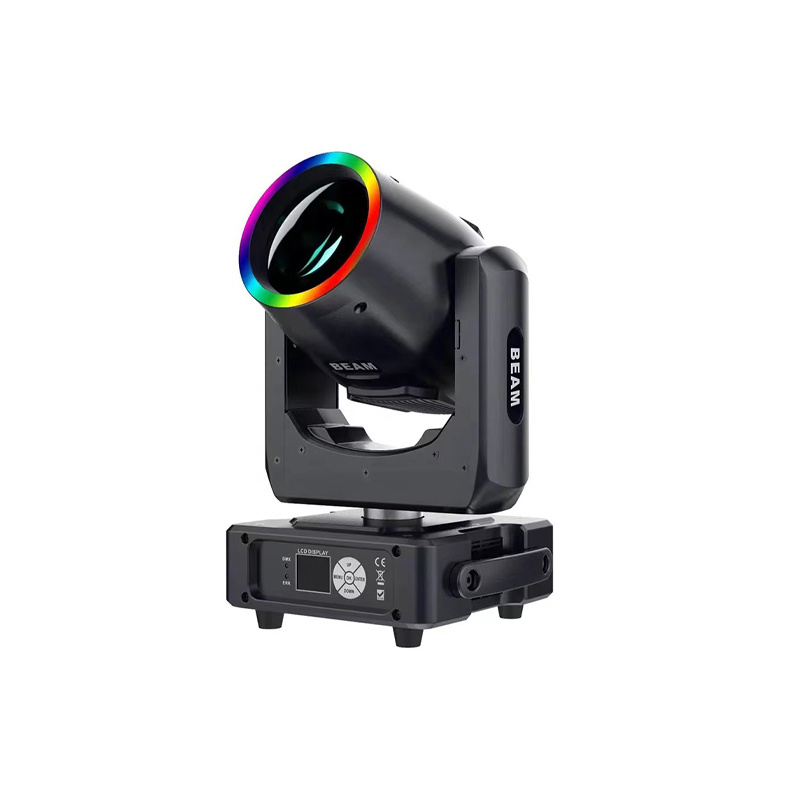
Moving Head Lights
If you’ve ever attended a nightclub, you’ve almost certainly seen moving heads in action.
These fixtures can rotate, tilt, change colors, switch gobos, and create dynamic effects throughout the venue. They’re often the foundation of a professional club lighting setup.
One reason for their popularity is flexibility.
A well-programmed moving head can create an elegant atmosphere during opening hours and then transform the room into a high-energy dance environment later in the night.
Beam Lights
Beam fixtures are designed for impact.
Unlike wash lights that cover a wide area, beam lights create narrow, concentrated shafts that captivate audiences, energize the atmosphere, and are ideal for showcasing performances and driving crowd excitement across large venues.
When combined with haze machines, the results can be spectacular.
Many EDM clubs rely heavily on beam effects because they help create the dramatic aerial visuals audiences expect during live performances.
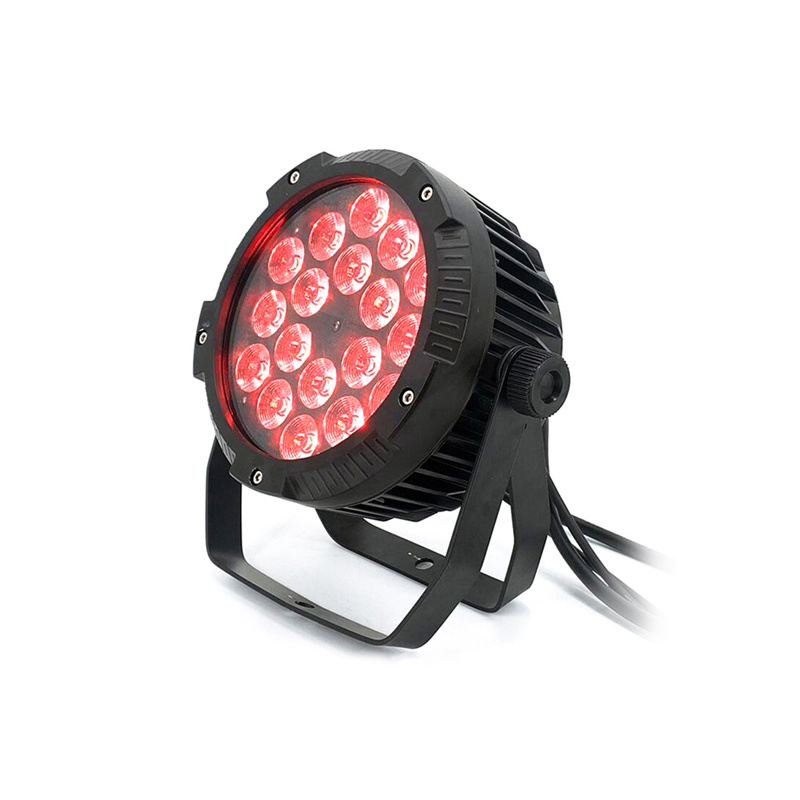
LED Wash Lighting
Not every area of a nightclub should feel intense.
VIP sections, lounge areas, bars, and entrance spaces often require softer lighting.
This is where LED wash fixtures become valuable.
They provide smooth color coverage, help create relaxed or upscale moods, and encourage longer guest stays in VIP and lounge areas—benefiting both guest satisfaction and revenue.
Laser Systems
Few lighting effects grab attention as quickly as lasers.
Used correctly, laser fixtures add impactful depth, movement, and a futuristic vibe—benefits that heighten anticipation, energize crowds, and set the venue apart from competitors.
However, it is important to remember that lasers are most effective when integrated into a broader lighting design rather than as standalone effects.
Now that you know the main fixture types, the next question is: How do you choose the right nightclub lighting setup?
This is one of the most common questions buyers ask.
Unfortunately, there is no universal answer.
The right solution depends on your venue, audience, ceiling height, budget, and long-term business goals.
For example, a 300-square-meter nightclub has very different requirements than a large entertainment venue hosting internationally known DJs.
Before purchasing equipment, consider the following:
- How large is your dance floor?
- What type of music do you primarily play?
- Do you host live performances?
- Will the venue be used for private events?
- Is social media visibility important for your marketing strategy?
The answers to these questions help optimize investments, maximize guest satisfaction, and ensure your lighting setup supports both short- and long-term business success.
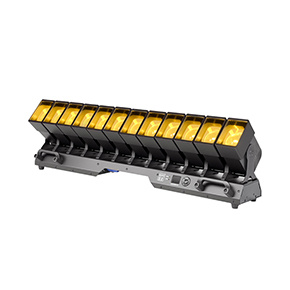
Why Kinetic Lighting Is Becoming a Major Trend
A few years ago, most nightclub lighting systems looked very similar.
Moving heads.
Lasers.
LED walls.
Maybe a few strobes.
Today, this is changing.
Kinetic lighting systems are increasingly popular because they expand creative possibilities, foster guest excitement, and produce crowd-pleasing visuals unmatched by static lights.
Instead of remaining fixed to the ceiling, fixtures move vertically while generating lighting effects. The result is a much more immersive visual experience.
Popular kinetic solutions include:
- Kinetic LED Balls
- Kinetic Rings
- Kinetic Bars
- Kinetic Beams
- Kinetic Panels
One nightclub owner described kinetic lighting as “the feature guests talk about most after they leave.”
That’s not surprising.
When dozens of illuminated fixtures move above a crowded dance floor in synchronization with the music, the visual impact is difficult to forget.
Common Lighting Mistakes That Cost Nightclubs Money
Over the years, certain mistakes appear again and again.
The first is buying equipment based solely on price.
Cheap fixtures may look attractive during the purchasing stage, but lower-quality components often result in higher maintenance costs, inconsistent performance, and shorter lifespans.
Another mistake is focusing entirely on fixture quantity.
Adding more lights doesn’t automatically create a better show.
In fact, a carefully designed lighting system with fewer fixtures often delivers stronger visual results than a poorly planned installation filled with equipment.
Programming is another area that many venue owners underestimate.
Even the most expensive fixtures won’t perform well without proper DMX programming and scene design.
Hardware matters because quality, reliability, and impressive effects directly benefit the guest experience and venue reputation.
Software matters just as much.
How Much Should You Budget for Nightclub Lighting?
Costs vary significantly depending on project size.
A small club may spend only a few thousand dollars on basic lighting equipment.
A mid-sized venue might invest tens of thousands.
Large destination nightclubs can easily allocate six figures or more toward lighting, video systems, and control infrastructure.
The key is not finding the cheapest solution.
It’s finding the right balance between visual impact, reliability, and future scalability.
Lighting should be viewed as a long-term investment that continually attracts guests, increases word-of-mouth recommendations, and drives overall revenue.
Final Thoughts
The nightclub industry has become increasingly competitive.
Music alone is no longer enough to differentiate a venue.
Customers are looking for experiences. They want moments worth recording, sharing, and remembering.
That’s why nightclub lighting is one of the most effective investments: it drives venue differentiation, builds lasting guest loyalty, and fuels business growth.
Whether you’re installing moving heads, laser systems, LED walls, or advanced kinetic lighting solutions, the goal remains the same: create an atmosphere that people can’t stop talking about.
Previous Page
Previous Page
More Cases


Online Message
Quick Links
Contact Information
Address: A8 Building Meiwang Industrial Park, Guangtang south street, Huadu District,Guangzhou, China.
Phone: +86 158 1889 3706
WhatsApp:+86 158 1889 3706