
LED Light Dance Floor Guide for Weddings, Clubs & Events
Classification:
summary description]
Walk into a busy nightclub, a luxury wedding, or a live DJ performance today, and there’s a good chance the dance floor is doing far more than simply giving people a place to stand. It flashes, changes color, reacts to music, and sometimes even becomes the visual centerpiece of the entire venue.
LED light dance floors are now central to creating memorable, visually engaging event spaces.
- Buyers seek memorable wedding atmospheres or club-ready floors, but most are solving similar questions: Which type should I choose?
- Are portable systems reliable?
- How durable are these floors?
- What size works best for my venue?
- Is DMX control necessary?
- How much maintenance is involved?
Answers aren’t always clear. Some products look good online but fail after a few uses, or are tough to install quickly.
This guide breaks everything down from a practical user perspective.
What Is a LED Light Dance Floor?
An LED light dance floor is a modular floor with built-in LEDs beneath a protective surface. It can display colors, patterns, and music visuals.
Some systems are simple and elegant. Others are designed for full-scale stage productions with video-style pixel effects.
Earlier models had brightness and durability issues. Modern systems are brighter, stable, and easier to control.
Today, LED dance floors are widely used in:
- Weddings
- Nightclubs
- DJ stages
- Concert productions
- Corporate events
- Exhibition booths
- Hotel ballrooms
- Luxury parties
In many cases, the floor becomes the focal point of the event almost immediately.
Why Event Organizers Choose LED Dance Floors
A standard dance floor works. But visually, it rarely adds anything special to the environment.
An illuminated floor changes the atmosphere the moment guests walk into the venue. Sometimes the difference is dramatic.
Weddings use soft white effects for romance. Clubs and festivals use RGB floors to energize and sync visuals with music.
LED dance floors drive engagement by drawing guests to light and motion, enhancing the event's energy.
Another factor driving popularity is the influence of social media.
Visually dynamic floors make photos and videos look professional with little extra decor.
For venues and rental companies, this increased visibility directly drives business growth.
Different Types of LED Light Dance Floors
Not all LED dance floors are built for the same purpose. Some focus on elegance. Others prioritize visual performance.
Knowing the differences before buying saves money and frustration.
Starlit Wedding Dance Floors
These are among the most requested options in the wedding industry.
Most starlit dance floors have glossy surfaces and small LEDs for a star effect, ideal for hotel ballrooms and luxury weddings.
They are usually chosen for:
- Wedding receptions
- Banquet halls
- Formal events
- Luxury private parties
Many couples specifically search for white LED dance floors because they photograph beautifully under professional lighting.
6
RGB Pixel LED Dance Floors
This style is far more dynamic.
RGB pixel floors show graphics, colors, and music effects, creating a strong visual impact in clubs and stages.
These systems are common in:
- Nightclubs
- DJ performances
- Concert stages
- Music festivals
- Entertainment venues
Premium models may offer advanced features such as video mapping or DMX programming.

Interactive LED Dance Floors
Interactive systems respond to movement. Step onto the surface and the lighting changes instantly.
Some create ripples, others track motion or trigger visuals where guests stand.
This technology is increasingly popular for:
- Interactive exhibitions
- Technology events
- Brand activations
- Immersive entertainment spaces
Although interactive systems usually represent a higher investment, they deliver a distinctly unique experience compared to standard LED flooring.
Choosing the Right LED Dance Floor
Prioritize reliability and suitability over price when choosing an LED dance floor.
Cheaper floors may look similar, but are often less reliable and harder to install.
That’s why experienced event companies usually evaluate several key areas before purchasing.
Consider where the Floor Will Be UsDetermine if the floor is intended for indoor or outdoor use. Each environment requires specific features.ons.
Outdoor use needs waterproofing and slip resistance; changing conditions add stress.
Indoor floors need good appearance, brightness, and quick installation.
If the floor will travel frequently between venues, portability should also be a major consideration.
Pay Attention to Weight Capacity
Commercial dance floors need to handle constant foot traffic.
Not all manufacturers meet foot traffic standards. Lower-quality floors flex under crowd pressure.
A professional-grade floor should comfortably support:
- Large groups of guests
- DJs and equipment
- Stage props
- Frequent installations
A robust internal structure is more important than many buyers initially recognize.
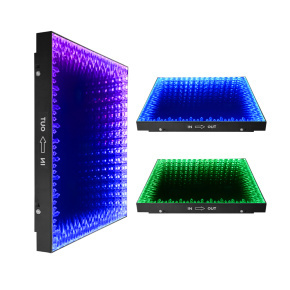
Control Systems Matter More Than People Expect
Plug-and-play works for small parties. Larger productions need advanced controls.
DMX compatibility is especially important for venues already using stage lighting systems. It allows the dance floor to synchronize with moving heads, lasers, and other lighting effects.
Some advanced systems also support:
- Madrix software
- Music synchronization
- Remote operation
- Custom animation programming
For larger productions, these features make a significant difference.
Common Problems Buyers Run Into
The LED dance floor market has grown quickly, and product quality varies a lot between suppliers.
Some issues appear repeatedly.
Uneven Brightness
This is common with low-cost products. Certain panels appear brighter than others, which becomes obvious during darker events.
Professional systems use better LEDs and calibration for uniform brightness.
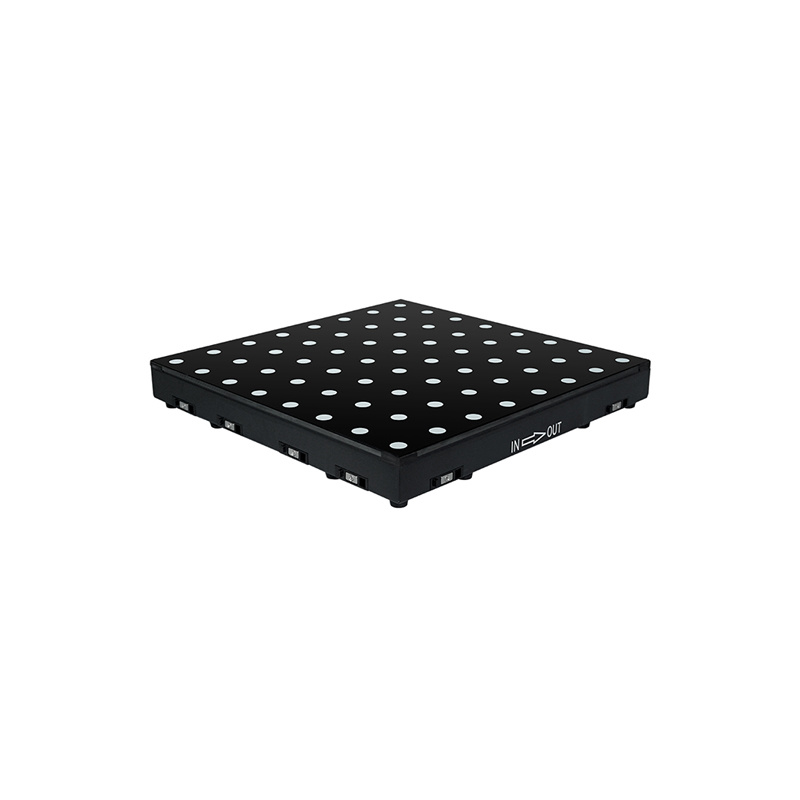
Difficult Installation
If assembly is slow, labor costs rise. Modular floors should lock and maintain quickly.
Well-designed modular systems should lock together efficiently and allow quick maintenance if needed.
Some experienced crews can install professional systems surprisingly fast. Others spend hours troubleshooting weak connections on lower-end products.
The difference usually comes down to engineering quality.
Transportation Damage
Moving between venues, poor packaging causes damaged floors and connectors.
That’s why many professional suppliers provide dedicated flight cases for transport protection.
While this detail may seem minor at first, it becomes increasingly significant over time.
What Size LED Dance Floor Do You Need? Choose floor size based on event type and number of guests expected.unt.
Small events use compact layouts. Larger venues need more space for dancing.
For concerts or nightclub installations, custom sizing is far more common. Consider how much area the floor will visually occupy in your venue. Selecting a slightly larger floor often enhances guest engagement.ion.
Are LED Dance Floors Worth the Investment?
For occasional personal events, renting usually makes more sense than purchasing.
For commercial users, the calculation changes completely.
Commercial users often recover their investment with repeated bookings across various events.
The key is durability.
A reliable floor reduces repair, downtime, and replacement costs over time.
Low-quality dance floors often cost more in the long run due to repairs and replacements.
Maintenance Is Easier Than Many People Think
Most LED floors are designed for commercial use, so maintenance is simple.
Basic recommendations include:
- Cleaning the surface after events
- Protecting connectors during transport
- Avoiding excessive moisture exposure
- Inspecting cables regularly
- Using proper storage cases
Consistent maintenance helps preserve both appearance and performance.
The Future of LED Dance Floor Technology
The market continues evolving quickly.
Interactive technology, intelligent motion tracking, and immersive visual systems are becoming increasingly common in high-end productions. Some manufacturers are also integrating AI-generated visual effects and real-time synchronization systems into modern stage environments.
At the same time, buyers are demanding lighter panels, faster installation, and stronger durability.
The industry is clearly moving toward smarter and more immersive event technology overall.
Final Thoughts
An LED light dance floor does much more than illuminate a venue. When chosen correctly, it completely changes how guests experience a space.
For weddings, it creates an atmosphere.
For clubs, it adds energy.
For event companies, it becomes a profitable long-term asset.
The most important thing is choosing a system that balances visual quality, durability, and practical usability. Brightness alone is not enough. Reliable structure, easy installation, stable control systems, and long-term performance all matter just as much.
Previous Page
More Cases


Online Message
Quick Links
Contact Information
Address: A8 Building Meiwang Industrial Park, Guangtang south street, Huadu District,Guangzhou, China.
Phone: +86 158 1889 3706
WhatsApp:+86 158 1889 3706