
Can kinetic lights be synchronized with music for dynamic shows?
Classification:
summary description]
If you’ve ever watched a live concert or stepped into a high-end nightclub, you’ve probably noticed how lighting seems to “breathe” with the music. It rises, drops, pulses—almost like it’s alive. That’s not accidental. And naturally, it leads to a practical question: can kinetic lights really sync with music, or is that just clever programming?
The truth is, they absolutely can. But the way you achieve that synchronization—and how convincing it feels—depends on the tools you use and the level of control you’re aiming for.
Understanding Kinetic Lighting in Real Scenarios
Kinetic lighting isn’t just about brightness or color. Movement is the defining factor.
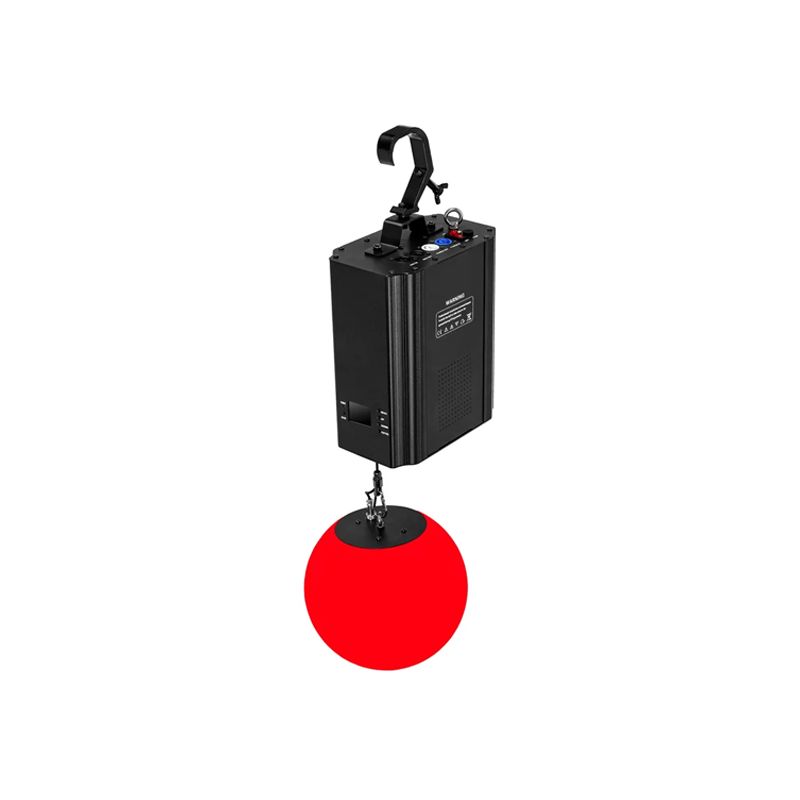
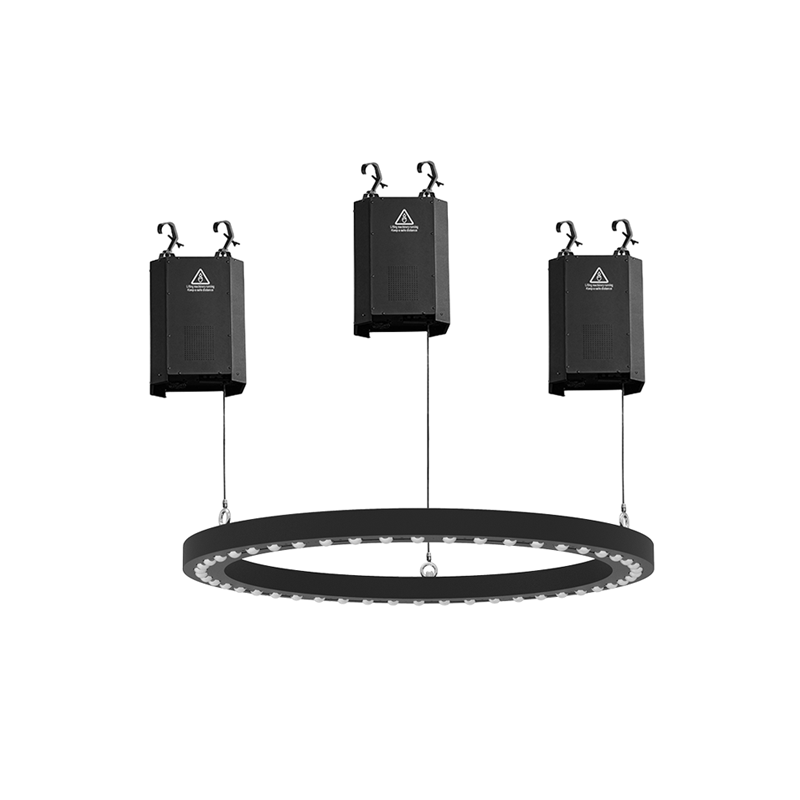
A typical setup includes motorized winches lifting LED elements—balls, tubes, or panels—up and down in space. On their own, they already look impressive. Add music synchronization, though, and everything changes. The lights stop being decorative and start becoming part of the performance itself.
That’s where the real value lies.
So, How Do You Actually Sync Kinetic Lights with Music?
There isn’t just one way to do it. In practice, most professionals rely on one of three approaches, each with its own trade-offs.
DMX Programming: The Industry Standard
This is where most setups begin.
Lighting designers manually program scenes that align with specific moments in a track. A drop hits—lights snap downward. A buildup starts—they slowly rise, building tension.
It takes time to get right. But once programmed, the result is tight, repeatable, and reliable. That’s why you’ll see this method used everywhere from touring shows to permanent installations.
Timecode: When Precision Really Matters
For larger productions, manual triggering isn’t enough. Everything—lighting, video, lasers—needs to hit at the same millisecond.
That’s where timecode comes in.
Instead of reacting to music, the entire system follows a shared timeline. Every cue is pre-aligned. Nothing drifts. Nothing lags.
If you’re producing concerts, televised events, or anything where mistakes aren’t an option, this is usually the direction to go.
Sound-Activated Mode: Quick, But Limited
Some systems offer a shortcut: built-in sound activation.
It listens to the music and reacts automatically. No programming, no setup. Just plug it in and go.
It works—but only to a point.
Because it reacts in real time, it can’t anticipate changes in the music. The result often feels random rather than intentional. Fine for small venues or temporary setups, but not something you’d rely on for a polished show.
What You’ll Need to Make It Work
From a user’s perspective, the setup isn’t overly complicated—but every component matters.
At a minimum, you’ll need:
- DMX-controlled winches (these handle the movement)
- Kinetic lighting fixtures (LED balls, tubes, or similar elements)
- A lighting controller or software
- Signal connections (wired or wireless DMX)
If you’re aiming for tighter synchronization, you might also add:
- Timecode integration
- Audio interface or MIDI control
- Pre-visualization tools for planning
Skipping the planning stage is where most people run into trouble.
Where Music-Synced Kinetic Lighting Makes the Biggest Impact
Not every project needs this level of control. But in the right context, it makes a noticeable difference.
In concerts, it amplifies the emotional highs and lows of the music.
In nightclubs, it keeps energy levels consistent without relying only on DJs.
At corporate events, it adds a layer of polish that static lighting simply can’t match.
Even smaller setups—done right—can feel surprisingly high-end.
Common Issues Users Run Into
On paper, synchronization sounds straightforward. In practice, a few challenges tend to come up.
Programming is one of them. It’s not difficult, but it is time-consuming. Rushing it usually shows in the final result.
Budget is another factor. Kinetic systems aren’t the cheapest option, so scaling matters properly. Starting small and expanding later is often the smarter move.
Then there’s compatibility. Not all controllers, fixtures, and software play nicely together. Sticking to standard DMX-based systems helps avoid unnecessary headaches.
A Few Practical Tips (That Make a Big Difference)
If you’re planning to use kinetic lights with music, a few adjustments can dramatically improve the outcome.
Work with the music structure, not against it.
Focus on key moments instead of trying to animate everything.
Keep movement controlled—too much motion quickly becomes visual noise.
And if possible, preview your design before going live. It saves time, and more importantly, it avoids surprises.
Is It Worth It?
That depends on what you’re trying to achieve.
If your goal is simple illumination, then no kinetic lighting is probably overkill. But if you want your stage, venue, or event to feel immersive, synchronized movement adds something that static lighting can’t replicate.
It’s not just about looking better. It’s about creating a stronger connection between sound and space.
Conclusion
Kinetic lights can absolutely be synchronized with music—and when done well, the effect is hard to ignore. The technology is already there. The real difference comes down to execution.
Whether you choose DMX programming, timecode, or a simpler sound-reactive setup, the key is aligning the system with your actual needs. Not every project requires maximum complexity, but every project benefits from thoughtful design.
FAQs
1. Is DMX programming difficult for beginners?
It has a learning curve, but many modern controllers make it easier with visual interfaces and preset effects.
2. Do I always need timecode for synchronization?
No. Timecode is mainly for high-precision environments. Many setups work perfectly fine without it.
3. Can I sync kinetic lights with live DJ performances?
Yes, especially with MIDI or real-time triggering, though it requires some setup and testing.
4. What’s the minimum setup for a noticeable effect?
Even a small number of kinetic fixtures can create a strong visual impact if programmed well.
5. Is sound activation good enough for professional use?
In most cases, no. It’s convenient, but it lacks the control needed for consistent, high-quality results.
Previous Page
Previous Page
More Cases


Online Message
Quick Links
Contact Information
Address: A8 Building Meiwang Industrial Park, Guangtang south street, Huadu District,Guangzhou, China.
Phone: +86 158 1889 3706
WhatsApp:+86 158 1889 3706