
Kinetic Lights Explained: How to Choose the Right System
Classification:
summary description]
If you’ve been researching stage lighting recently, you’ve probably come across kinetic lights. And chances are, you’re wondering the same thing most buyers do at this stage:
Are they actually worth the investment, or just another industry trend?
In simple terms, kinetic lighting systems combine light and motion. Instead of fixtures staying fixed in place, they move—rising and falling in sync with music, visuals, or programmed effects. The result feels less like lighting and more like a living part of the stage.
That’s exactly why they’re gaining so much attention.
How Kinetic Lighting Systems Actually Work
At first glance, kinetic lighting might look complex. But once you break it down, the system is surprisingly logical.
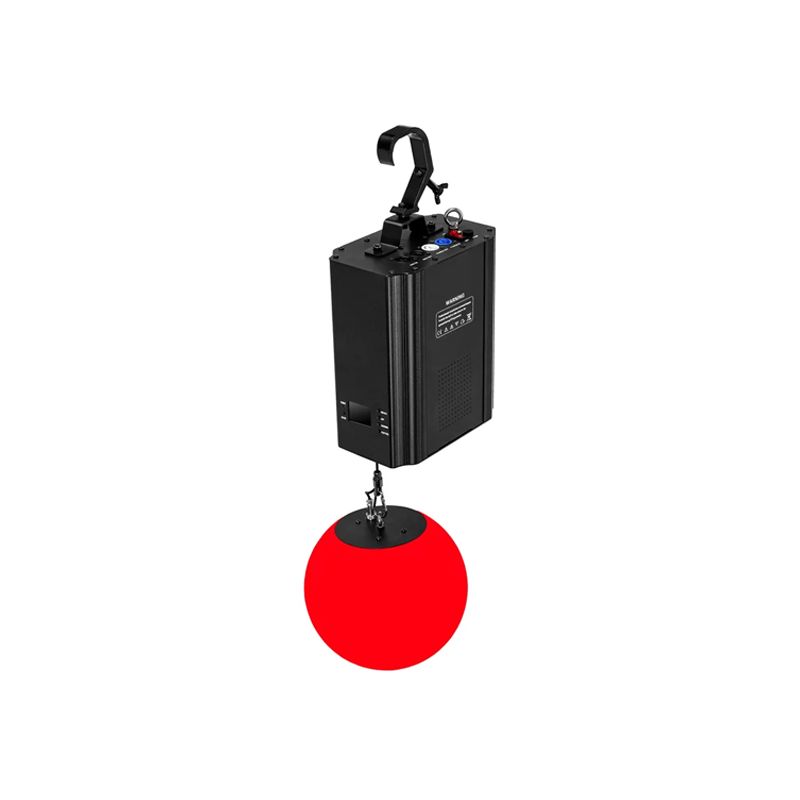
DMX Winch Motors – The Backbone
Each lighting unit is attached to a motorized winch. This is what controls the vertical movement—smooth, precise, and programmable.
Lighting Fixtures – The Visual Element
You can choose different types depending on your project:
- LED balls for soft, ambient motion
- LED tubes for clean, modern lines
- Beam lights for strong, dramatic effects
- Panels or custom shapes for creative installations
There’s no single “right” option here—it all depends on the atmosphere you want to create.
Control System – Where Everything Comes Together
Using DMX control (or software like Madrix), you can synchronize movement and lighting effects. Not just on/off or color changes—but full choreography.
That’s when kinetic lighting really starts to stand out.
Why More Professionals Are Switching to Kinetic Lights
There’s a reason you’re seeing these systems more often. Actually, several reasons.
It Creates Depth, Not Just Light
Traditional lighting works in two dimensions. Kinetic lighting adds a third dimension and motion. That alone changes how a stage feels.
It Instantly Elevates Perceived Value
Whether it’s a nightclub, concert, or corporate event, kinetic lighting gives a more premium impression. Clients notice it, even if they don’t know what it’s called.
It’s Highly Customizable
You’re not locked into one setup. You can adjust:
- Quantity of units
- Layout and shape
- Movement speed and patterns
- Lighting effects
So the same system can look completely different from one project to another.
Common Concerns (And What You Should Know)
Let’s be honest—most buyers hesitate for the same reasons. Here’s what actually matters.
“I’m Not Sure Which Type to Choose”
That’s normal. Start with your application:
- Nightclubs → LED balls or tubes (more dynamic, music-driven)
- Concert stages → Beam-based systems (stronger visual impact)
- Events or weddings → Softer, decorative lighting elements
Trying to pick purely based on price or specs usually leads to the wrong decision.
“Installation Seems Complicated”
It used to be. Not anymore.
Most modern systems are designed to be modular:
- Standard truss mounting
- Pre-set DMX addressing
- Clear wiring structure
If you’re working with an experienced supplier, they’ll usually provide diagrams or even remote guidance. That makes a big difference.
“Programming Looks Too Technical”
It can be—but it doesn’t have to be.
Many systems now include:
- Pre-programmed scenes
- Software compatibility (Madrix, Resolume, etc.)
- Timecode support for shows

You can start simple and build complexity over time. No need to master everything on day one.
“Is It Safe and Reliable?”
This is where quality matters.
Look for:
- Stable lifting capacity
- Safety cables
- Smooth motor operation (low noise, no shaking)
- Certified components
A cheaper system might work initially—but long-term reliability is what really counts, especially for commercial use.
How to Choose the Right System (Without Overcomplicating It)
Instead of focusing on every technical detail, start with the basics.
Match the System to Your Venue
- Small venues → 6–12 units
- Medium venues → 12–30 units
- Large stages → 50+ units
You can always expand later, so don’t feel pressured to overspend upfront.
Check Your Ceiling Height
Common lifting ranges:
- 3m
- 6m
- 9m
- 12m
Make sure the system fits your space. This is often overlooked—and causes problems later.
Think About Control Compatibility
Your system should integrate easily with what you already use:
- DMX512 standard
- Lighting consoles
- Media servers or software
Compatibility issues can slow down your entire workflow.
Balance Budget and Performance
It’s tempting to go for the lowest price. But in this category, that often means:
- Shorter motor lifespan
- Higher noise levels
- Less precise movement
If you’re working with paying clients, reliability is part of your reputation.
Where Kinetic Lights Work Best
You’ve probably seen them in action—even if you didn’t realize it at the time.
- Nightclubs: synchronized with music, creating energy on the dance floor
- Concerts: adding scale and movement to performances
- TV productions: enhancing stage depth on camera
- Weddings and events: creating elegant, memorable atmospheres
- Exhibitions: attracting attention in competitive spaces
Different environments, same goal—making the experience more immersive.
So, Are Kinetic Lights Worth It?
If you’re aiming to offer something beyond standard lighting, the answer is yes.
They’re not the cheapest option. And they do require some planning. But what you get in return is:
- Stronger visual impact
- Higher-end project positioning
- More flexibility in design
In many cases, that translates directly into higher client budgets and better long-term returns.
Final Thoughts
Kinetic lighting isn’t just about movement. It’s about changing how people experience a space.
If you’re considering investing in kinetic lights, don’t focus only on the technology. Think about the outcome—what you want your audience or clients to feel when they see your setup.
Get that part right, and the technical choices become much easier.
FAQs
1. What makes kinetic lights different from traditional stage lighting?
Kinetic lights move vertically using motorized systems, adding depth and motion. Traditional lights stay fixed and only change direction or color.
2. How many units do I need to get started?
For smaller setups, 6–12 units is a practical starting point. Larger productions may require dozens.
3. Do I need advanced programming skills?
Not necessarily. Many systems offer built-in effects and user-friendly software integration.
4. Can kinetic lighting be used in small venues?
Yes. You just need to adjust the number of units and lifting height to fit the space.
5. How long does a typical system last?
With proper maintenance and good components, a kinetic lighting system can run reliably for several years.
Previous Page
Previous Page
More Cases


Online Message
Quick Links
Contact Information
Address: A8 Building Meiwang Industrial Park, Guangtang south street, Huadu District,Guangzhou, China.
Phone: +86 158 1889 3706
WhatsApp:+86 158 1889 3706