
Stage Lighting Store Guide: How to Choose the Right Supplier
Classification:
summary description]
When people search for a stage lighting store, they usually have a reason—and often a problem to solve.
Maybe the lighting in a venue feels flat.
Maybe an upcoming event needs a stronger visual impact.
Or maybe the current supplier just isn’t delivering what was promised.
Whatever the reason, most users are not simply browsing products. They are trying to figure out where to buy the right stage lighting without making expensive mistakes.
Why a Stage Lighting Store Is More Than Just a Place to Buy Lights
On the surface, a stage lighting store sells fixtures. But from a buyer’s point of view, that’s only part of the story.
A reliable store helps users understand:
- Which lights actually suit their venue
- How different fixtures work together
- What level of brightness and control is really needed
Without this guidance, it’s easy to end up with lighting that looks impressive on a product page but disappointing on stage.
Problems Buyers Commonly Encounter
Too Much Choice, Too Little Direction
Many stage lighting stores list dozens—sometimes hundreds—of products. Beam lights, wash lights, moving heads, effects. Everything looks professional.
But users are left wondering:
- Which model fits a small club?
- What works better for a theater?
- Do these lights even work together?
A good store doesn’t just sell options. It helps narrow them down.
Uncertainty About Real Performance
Specs can look perfect on paper. In reality, users worry about:
- Lights that aren’t as bright as advertised
- Motors that lose precision over time
- Fixtures that overheat during long shows
This is where experience matters. Stores that share real use cases and project results tend to earn more trust.
Compatibility Issues After Purchase
One of the most common frustrations comes after buying:
- DMX channels don’t match expectations
- Fixtures don’t respond properly to controllers
- Integration with existing systems becomes complicated
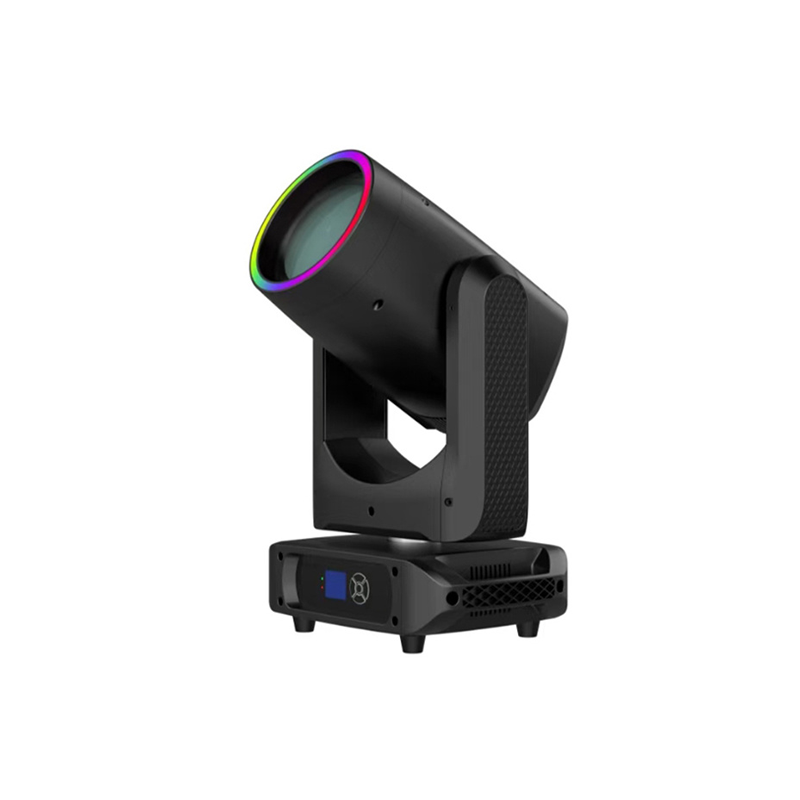
An experienced stage lighting store anticipates these problems before they happen.
What to Look for in a Professional Stage Lighting Store
Products That Match Real-World Scenarios
A serious store doesn’t just list products—it understands applications.
Typical scenarios include:
- Nightclubs and DJ venues
- Live concerts and touring stages
- Theaters and performance halls
- Event productions and exhibitions
Each scenario demands different lighting behavior. If a store treats them all the same, that’s a red flag.
Technical Support That Goes Beyond Sales
From the user’s perspective, support matters just as much as price.
Good stores usually offer:
- Pre-sale consultation
- Advice on fixture placement
- DMX setup guidance
- Ongoing technical assistance
This kind of support often saves more money than choosing the cheapest option.
Proof Through Real Projects
Users tend to trust stores that can show:
- Installed projects
- Real venue photos or videos
- Clear explanations of why certain lights were used
This signals hands-on experience, not just product reselling.
Online vs Local Stage Lighting Stores
There’s no universal answer here.
Online stage lighting stores often provide:
- Wider product selection
- Factory-direct pricing
- Easier access to advanced or custom systems
Local stores may be better suited for:
- On-site installation
- Immediate troubleshooting
- Face-to-face communication
The right choice depends on project size, timeline, and technical confidence.

Who Usually Searches for a Stage Lighting Store
In real-world inquiries, users typically include:
- Club and bar owners
- Event production companies
- Theater managers
- DJs and performers
- Lighting rental businesses
- System integrators and distributors
Each group searches differently—but all value reliability and clarity.
Final Thoughts
Choosing a stage lighting store isn’t just about buying equipment. It’s about finding a supplier that understands how lighting works in real spaces, under real conditions.
Previous Page
Previous Page
More Cases


Online Message
Quick Links
Contact Information
Address: A8 Building Meiwang Industrial Park, Guangtang south street, Huadu District,Guangzhou, China.
Phone: +86 159 7549 0982
WhatsApp:+86 158 1889 3706