
LED Effect Light Guide: Types, Uses, and Buying Tips
Classification:
summary description]
When people search for LED effect light, they are rarely looking for a textbook definition.
More often, they are trying to solve a practical problem.
They want their venue to look better.
Their stage to feel more dynamic.
Or their event to stand out instead of blending in with every other setup.
This article focuses on those real needs and explains how LED effect lights actually help.
What Is an LED Effect Light?
An LED effect light is designed to do more than illuminate a space. Its main purpose is to create motion, rhythm, and visual interest through lighting effects such as beams, flashes, color changes, and animated patterns.
Unlike standard lighting fixtures, effect lights are about experience, not just brightness.
You’ll commonly see them used in:
- Clubs and DJ booths
- Live concerts and touring stages
- Bars, lounges, and entertainment venues
- Events, exhibitions, and performance spaces
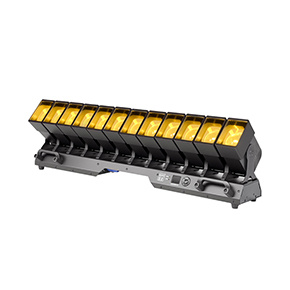
Why LED Effect Lights Are So Popular
From a user’s perspective, the appeal is simple.
Visual Impact Without Complexity
Static lighting feels flat. LED effect lights introduce movement and variation, instantly changing how a space feels, even without redesigning the venue.
Lower Operating Costs
LED technology consumes less power and generates less heat than traditional lamps. That means:
- Reduced electricity bills
- Longer fixture lifespan
- Fewer replacements and less downtime
Flexible Control Options
Most modern LED effect lights support DMX control, but they don’t require it. Users can choose:
- Auto-running programs
- Sound-activated modes
- Enslaver/enslaved person linking
- Full DMX programming for advanced setups
This flexibility matters, especially for venues with different skill levels.

Common Types of LED Effect Lights Explained Simply
Choosing the wrong type is a common mistake. Here’s how users usually differentiate them.
LED Beam Effect Lights
These produce narrow, concentrated beams that remain visible through haze or fog. They work best in clubs, concerts, and high-energy environments.
LED Strobe Effect Lights
Designed for sharp, fast flashes that accent music drops or dramatic moments. Often used sparingly, but very effective when timed correctly.
LED Pixel Effect Lights
Each LED is individually controllable, allowing animated patterns and moving visuals. Popular in modern stage designs and immersive installations.
Hybrid Effect Lights
These combine wash lighting with built-in effects. They’re practical for smaller venues that want versatility without installing multiple fixtures.
How to Choose the Right LED Effect Light
This is where many users hesitate. The key is asking the right questions.
1. Where Will It Be Used?
A mobile DJ, a nightclub, and a fixed stage installation all have different needs. Size, ceiling height, and viewing distance matter more than raw wattage.
2. How Will It Be Controlled?
If you prefer simplicity, auto or sound modes may be enough.
For synchronized shows or complex scenes, DMX is the better choice.
3. How Bright Is “Too Bright”?
More power isn’t always better. An oversized fixture can overwhelm a small space and reduce visual clarity instead of improving it.
4. Is the Build Quality Reliable?
For long-term use, factors like housing material, cooling design, and power stability are just as important as lighting effects.
Problems Users Commonly Face—and How LED Effect Lights Help
“My lighting looks dull on camera.”
Dynamic LED effects add depth and contrast, improving how spaces appear in photos and videos.
“My venue feels outdated.”
Modern LED effect lights can transform the atmosphere without expensive renovations.
“Lighting control is confusing.”
Many fixtures are designed for gradual learning. Users can start with presets and move toward advanced control later.
Are LED Effect Lights Suitable for Beginners?
Yes. Many models are built with beginners in mind.
They offer preset programs, automatic operation, and sound control, allowing users to get results immediately. As experience grows, the same fixtures can be integrated into more advanced lighting systems.
This scalability is one of the strongest advantages of LED effect lighting.
Final Thoughts
An LED effect light is not just a decorative accessory. When chosen correctly, it becomes a core part of the visual experience.
For users researching online, the goal should not be finding the most powerful or expensive option. It’s about selecting an LED effect light that fits the space, the audience, and the level of control required.
More Cases


Online Message
Quick Links
Contact Information
Address: A8 Building Meiwang Industrial Park, Guangtang south street, Huadu District,Guangzhou, China.
Phone: +86 159 7549 0982
WhatsApp:+86 158 1889 3706