
Buy LED Dance Floor | Buyer’s Guide & Smart Purchasing Tips
Classification:
summary description]
Searching for a buy LED dance floor usually means one thing: you want something that looks impressive, works reliably, and is worth the money you’re about to spend.
But once you start researching, the options can feel overwhelming. Different panel types, control systems, prices that vary wildly—it’s not always clear what actually matters.
This guide focuses on the real questions buyers have, not sales talk.
What an LED Dance Floor Actually Does (Beyond Looking Good)
An LED dance floor isn’t just flooring with lights underneath. In most events, it becomes the visual center of the space.
You’ll commonly see LED dance floors used in:
- Wedding receptions where the dance floor is the main highlight
- Nightclubs that want a constantly changing atmosphere
- DJ and live music events that rely on lighting to build energy
- Corporate events where branding and presentation matter
The difference compared to a traditional dance floor is simple:
An LED dance floor actively shapes how people experience the event.
Why Buyers Decide to Buy an LED Dance Floor
From a buyer’s perspective, the motivation usually falls into one of three categories:
- You want to stand out visually in a competitive venue or event market
- You need a floor that can sync with music and lighting
- You’re looking for equipment that can be reused or rented out repeatedly
In many cases, buyers aren’t just decorating a space—they’re making a long-term investment.
Questions People Ask Before Buying an LED Dance Floor
Which Type of LED Dance Floor Is Right for Me?
Not every LED dance floor serves the same purpose.
Some buyers prefer simple color-changing floors for weddings or private events. Others need DMX-controlled LED dance floors that integrate with stage lighting systems. For mobile DJs, wireless or battery-powered floors can save setup time.
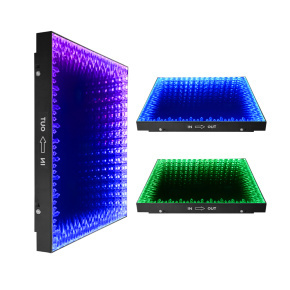
If you’re running a club or large event, DMX compatibility isn’t optional.
If portability matters more, simpler systems often make more sense.
How Much Should I Expect to Pay?
When people search buy LED dance floor, price is usually top of mind.
Costs depend on:
- Panel resolution and brightness
- Control method (standalone vs DMX)
- Load-bearing capacity
- Waterproof and anti-slip features
Lower-priced models may work for occasional use.
For commercial venues or rentals, durability usually matters more than the initial cost.
Is Installation Complicated?
Most modern LED dance floors are modular. That’s good news.
Panels connect quickly, often without tools, and can be installed over existing surfaces. For experienced crews, setup can take less than an hour.
If you plan frequent installations, panel weight and connector quality become especially important—details many buyers overlook at first.
What About Safety?
This is one concern that shouldn’t be ignored.
A reliable LED dance floor should include:
- An anti-slip surface
- High load tolerance for crowds
- Stable power management
- Protection against moisture
If people will be dancing on it, safety is not a “feature”—it’s a requirement.

Choosing the Right Supplier Matters More Than You Think
Two LED dance floors may look identical online, yet perform very differently in real use.
When deciding where to buy, look for suppliers who provide:
- Clear technical specifications
- Real installation or project photos
- Custom sizing or branding options
- After-sales support and spare parts
For professional use, buying directly from a manufacturer or specialized stage lighting supplier often reduces risk in the long run.
Common Mistakes Buyers Make
These issues come up again and again:
- Choosing the cheapest option without checking the load capacity
- Ignoring compatibility with existing lighting systems
- Underestimating shipping size and weight
- Not asking about warranty or technical support
Avoiding these mistakes can save you more than the price difference between models.
Is It Worth Buying an LED Dance Floor?
For many users, yes—if the choice is made carefully.
Event companies often recover costs through rentals.
Venues gain a strong visual selling point.
Performers benefit from a more immersive stage environment.
The value comes from matching the product to the actual use scenario, not trends.
Final Thoughts
If you’re planning to buy an LED dance floor, focus less on flashy photos and more on real-world performance: control options, safety, durability, and supplier reliability.
Previous Page
Previous Page
More Cases


Online Message
Quick Links
Contact Information
Address: 2nd Floor, Building A8, Meiwan Science and Technology Park, Huadu District, Guangzhou City, Guangdong Province
Phone: +86 159 7549 0982
WhatsApp:+86 158 1889 3706