
LED Moving Head Wave Bar Light Buyer’s Guide
Classification:
summary description]
When people search for LED moving head wave bar light, they’re usually not just browsing. In most cases, they already have a real need: upgrading a club lighting system, improving stage visuals, or finding a more flexible effect light for events. What they want is clarity, not marketing buzzwords.
So let’s break it down in a practical way.
What Exactly Is an LED Moving Head Wave Bar Light?
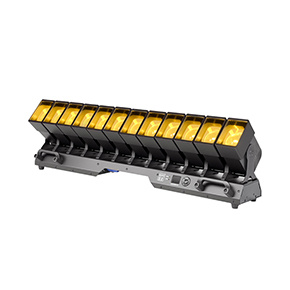
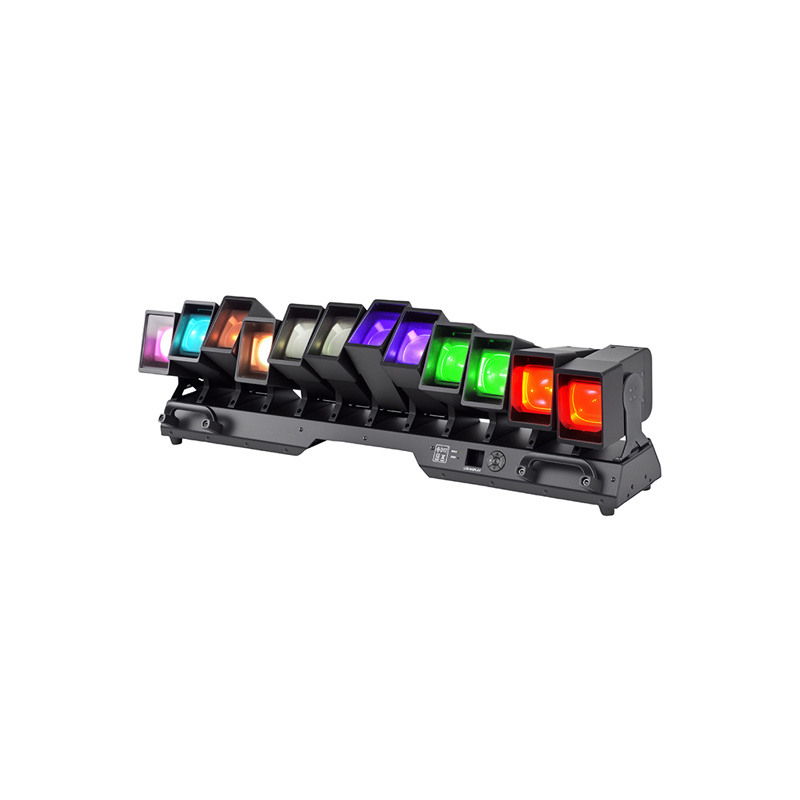
An LED moving head wave bar light is a hybrid stage lighting fixture that blends the layout of an LED bar with the motion of a moving head. Instead of a single light source, it uses multiple LEDs arranged in a straight line. The entire bar can pan and tilt, while each LED can change color, dim, or run effects independently.
The result?
Flowing wave effects, pixel chases, and dynamic movement that feel more alive than standard moving heads or static LED bars.
This is why these fixtures have become so common in modern stage designs.
Why Do Users Choose This Type of Light?
From a user’s point of view, the biggest advantage is efficiency. One fixture can do the work of several traditional lights.
You get movement, color mixing, and pixel effects all in one unit. That means fewer fixtures to install, fewer cables to manage, and more creative freedom during programming.
For venues running shows several nights a week, simplicity matters.
Where LED Moving Head Wave Bar Lights Work Best
These lights are versatile, but they really shine in certain environments.
Nightclubs and DJ Venues
In clubs, wave bar lights are often mounted behind the DJ booth or along trusses. They respond well to fast music, creating sweeping waves and sharp chases that follow the beat. Because of their movement, they add depth without needing a full rig of beam lights.
Concerts and Live Stages
On concert stages, they’re commonly used as background or side-stage effects. When multiple units are linked together, they can act almost like a moving pixel wall, adding motion behind performers without distracting from them.
Events and Shows
For corporate events or weddings, these lights offer a cleaner look. Soft color transitions, controlled movement, and quiet operation make them suitable for more formal settings as well.
Features That Actually Matter to Users
Not every specification on a product page is equally important. Based on real usage, here’s what users should pay attention to.
LED and Color Performance
- The number of LEDs affects brightness and effect density
- RGB or RGBW color mixing determines color accuracy
- Individual pixel control allows more advanced wave effects
Movement Quality
Smooth pan and tilt are critical. Jerky movement or mechanical noise can ruin an otherwise good light, especially in smaller venues.
Control Options
Most users rely on:
- DMX512 for full control
- Auto programs for quick setups
- Sound-active mode for DJs and mobile use
The easier it is to integrate with your existing system, the better.
Build and Reliability
For long shows or permanent installations, heat management and housing quality make a real difference. A solid metal body and stable cooling system help ensure consistent performance over time.
How It Compares to Other Stage Lighting Options
Users often hesitate between different types of fixtures, so comparison helps.
- Compared to traditional moving head lights
- Wave bar lights offer more visual layers and smoother group effects.
- Compared to standard LED bars
- The added movement brings life to the stage instead of flat, static looks.
- Compared to beam or wash fixtures
- They are more effect-focused, making them ideal for visual rhythm and motion.
This makes them a smart choice for users who want a strong visual impact without overcrowding the rig.

How to Choose the Right Model for Your Setup
Before buying, it helps to think through a few practical questions:
- How large is your venue or stage?
- Do you need advanced pixel mapping or just basic wave effects?
- Will the lights be used for touring or fixed installation?
- Are you controlling everything via DMX, or do you rely on built-in programs?
Answering these honestly will save time, money, and future frustration.
Final Thoughts
An LED moving head wave bar light isn’t just another effect light. For many users, it becomes a core part of their lighting system. It combines movement, color, and animation in a way that feels modern and flexible.
Previous Page
Previous Page
More Cases


Online Message
Quick Links
Contact Information
Add: Room 301,Building 29,No.18 Tieshanhe Road,HuashanTown,Huadu District,Guangzhou, China.
Phone: +86 159 7549 0982
WhatsApp:+86 158 1889 3706