
LED Par Lights Guide: How to Choose the Right Stage Lighting
Classification:
summary description]
When someone types “LED par lights” into Google, they’re usually not looking for complex technical papers. They want straight answers. What should I buy? Will it work for my event? Why do some lights look bright on YouTube but dim in real life? This guide is written from that angle — simple, practical, and based on the real questions people ask before they spend money.
What Exactly Are LED Par Lights?
LED par lights (often called PAR cans) are compact fixtures that create colorful washes and ambient lighting. Unlike old halogen PARs, they use LEDs, so they stay cool, last longer, and offer far more color flexibility. They’re used everywhere: stages, DJ booths, clubs, weddings, and even architectural lighting.
In short: if you need reliable, controllable color lighting that doesn’t overheat or burn electricity, LED par lights are the safe bet.
Why So Many People Prefer LED Par Lights
1. They’re surprisingly bright for their size
A common concern is brightness. Many people worry the light won’t “cut through” a stage or dance floor. Modern LED chips solve that. Even a mid-range unit can outperform older 300W halogen cans while using only a fraction of the power.
2. They give you thousands of color combinations
RGB, RGBW, RGBWA, UV — if you’re not familiar with these terms, don’t worry. They simply describe how many color channels you can mix. The more channels, the smoother and richer your colors will be. This matters for mood lighting, stage atmospheres, or clubs that switch themes nightly.
3. You can run them manually or with DMX
Some people just plug in their light, set a color, and walk away. Others want full DMX control with chases, fades, and synchronized shows. LED pars support both. You don’t need to be a lighting engineer to use them.
4. They last for years
LED chips don’t “burn out” like traditional bulbs. They fade slowly over thousands of hours. You get long-term reliability and a lot less heat — great for venues or events where people stand close to the lights.
Problems Buyers Often Encounter (And How to Avoid Them)
This part is crucial because many users don’t realize their mistake until after they buy the light.
Problem 1: The light isn’t bright enough
This usually happens because buyers choose a cheap, low-watt model. The photos look good online, but the real output is weak.
Fix: Look at total wattage, the type of LEDs (3W, 5W, COB), and beam angle. These matter more than fancy product names.
Problem 2: Wrong beam angle
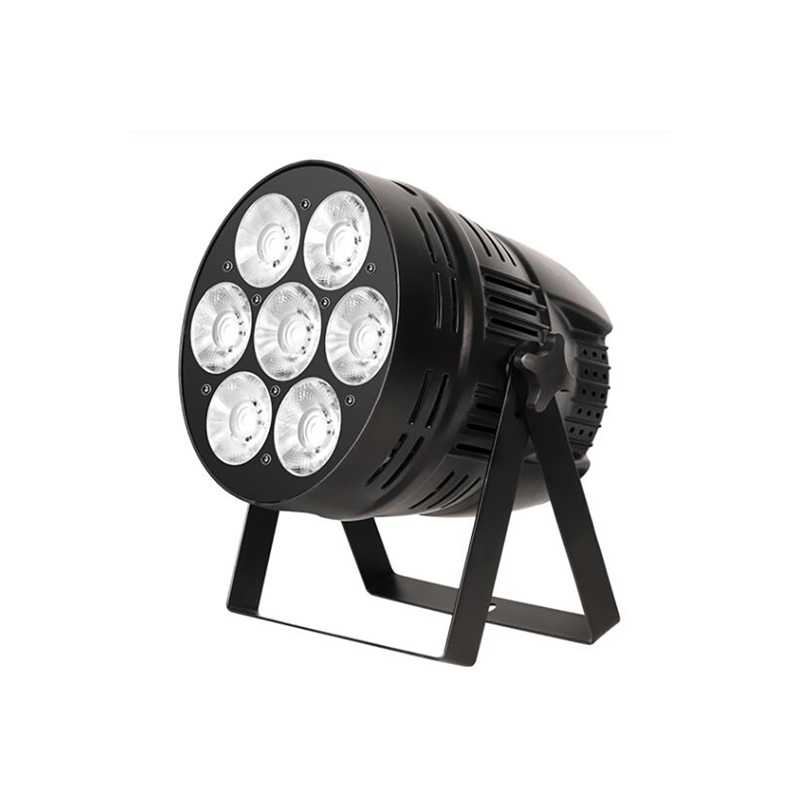
A par with a narrow beam creates a punchy, focused light. A wide beam fills a wall with color. Many people buy the wrong one and end up with weak coverage.
Fix:
- 15–25° for long throws and stage use
- 30–45° for wall wash or event uplighting
Problem 3: Color mixing looks uneven
In cheap lights, red, green, and blue appear as separate dots instead of blending smoothly.
Fix: RGBW or RGBWA fixtures with proper lenses produce far more natural color fades.
Problem 4: DMX doesn’t behave correctly
If you’re new to DMX, it’s easy to get confused. Sometimes the lights don’t respond, or the channels don’t match.
Fix: Choose lights with clear menus and standard DMX512 compatibility. Avoid units with strange channel layouts.
Problem 5: Noise from internal fans
Not all venues love fan noise, especially weddings or quiet stage setups.
Fix: Look for fanless aluminum housings if silence matters.
How to Choose the Right LED Par Lights (Without Overthinking It)
1. Start with your purpose
Different scenes need different fixtures:
Use CaseBest Option
DJs & parties RGBW 54–150W pars with sound activation
Stage performances: High-power COB or multi-chip LED pars
Weddings & events Fanless RGBWA+UV for warm tones
Bars & clubs Durable aluminum cans with DMX
2. Understand LED configurations
Here’s a quick breakdown:
- RGB: Basic colors
- RGBW: Clean whites + better blending
- RGBA/RGBWA: Warm amber tones for elegant events
- RGBWA+UV: Complete color spectrum + UV effects
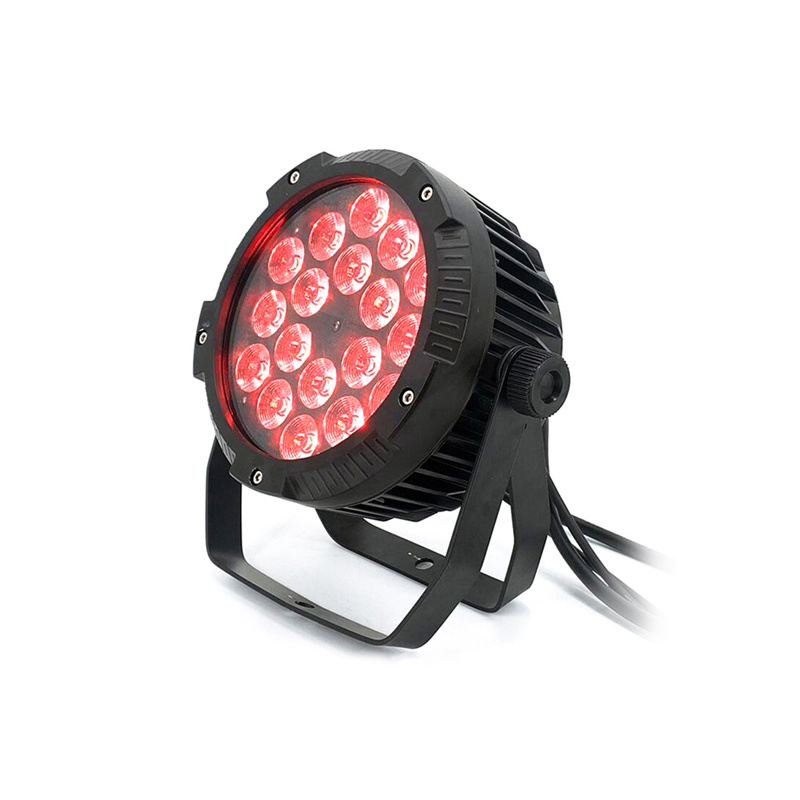
Choose based on the vibe you want.
3. Check build quality, not just wattage
A well-built light feels heavy, has smooth dimming, and uses proper metal housing. If the casing feels like cheap plastic, it probably is.
4. Beam angle matters more than people think
If you want dramatic beams, go narrow.
If you want wide washes, go wide.
It’s that simple.
5. Make sure it works with your control system
If you're using a DMX console or software controller, confirm that the mode and channel layout match your setup.
Where LED Par Lights Shine (Literally)
Stages
Consistent washes and color transitions.
DJ lighting
Sound-reactive modes are perfect for parties.
Wedding lighting
Soft amber and warm white tones enhance décor without overpowering the venue.
Architectural or outdoor lighting
With IP-rated housings, they can enhance buildings, pillars, and landscape elements.
Final Thoughts
Choosing LED par lights doesn’t have to be complicated. Once you know what brightness you need, what beam angle suits your space, and which LED configuration matches your style, the decision becomes straightforward. When chosen properly, LED par lights offer excellent value, strong performance, and long-term reliability — whether you're a DJ, event planner, venue owner, or someone setting up their first lighting system.
Previous Page
Previous Page
More Cases


Online Message
Quick Links
Contact Information
Address: A8 Building Meiwang Industrial Park, Guangtang south street, Huadu District,Guangzhou, China.
Phone: +86 158 1889 3706
WhatsApp:+86 158 1889 3706