
Sharpy Light: The Ultimate Guide to Powerful Stage Lighting
Classification:
summary description]
If you’ve been to a concert, nightclub, or live event where dazzling beams slice cleanly through the haze, you’ve already seen a Sharpy light in action. These powerful fixtures have redefined how modern stages look and feel — creating atmosphere, energy, and movement that pull the audience in.
But what exactly is a Sharpy light? And how do you choose the right one for your setup? Let’s take a closer look.
What Exactly Is a Sharpy Light?
In simple terms, a Sharpy light is a high-intensity moving head beam fixture. It produces a narrow, laser-like beam that cuts through fog, haze, or ambient lighting. The name originally came from Clay Paky’s Sharpy series, but over time, it’s become a general term for similar beam lights used in professional lighting design.
You’ll find them almost everywhere:
- Music festivals and concerts
- Bars, clubs, and DJ booths
- Theatres and TV shows
- Corporate events and fashion runways
The secret lies in its optics — Sharpy lights typically have a beam angle between 2° and 5°, which gives them that signature punchy, focused effect.
Why Do Lighting Designers Love Sharpy Lights?
People working in live events face one big challenge: visibility and impact. Regular wash or spot lights tend to scatter in the air, especially in smoky environments. Sharpy lights solve that problem.

Here’s why professionals keep choosing them:
1. Blinding Brightness
These lights pack serious output. Whether it’s a 200W LED or a 470W discharge lamp, the intensity is strong enough to travel long distances without fading.
2. Quick, Accurate Motion
Modern Sharpies move fast — really fast. They tilt, pan, and snap into position instantly, allowing designers to sync lighting perfectly with beats, cues, or transitions.
3. Creative Flexibility
With features like gobo wheels, prisms, and color filters, Sharpy lights can produce dozens of dynamic effects. They’re perfect for adding texture or motion to a static stage.
4. Lower Energy Consumption
LED-based models use less power and produce less heat, making them practical for venues that run lights for hours on end.
Choosing the Right Sharpy Light
When users search “sharpy light,” they often aren’t just curious — they’re shopping or planning a show. Here’s a quick guide to help you pick the right fixture:
Venue TypeRecommended PowerKey Features
Small clubs or bars 100–150W LED Compact design, DMX512 control
Medium stages 200–280W LED Zoom lens, gobo/color wheels
Large concerts or outdoor shows 350–470W+ Long throw distance, IP65 waterproof
If you’re building a complete system, look for DMX512 or RDM compatibility. This ensures your Sharpy lights can communicate smoothly with your controller or lighting console.
Common Questions About Sharpy Lights
Let’s clear up a few questions people often ask when buying or setting up Sharpy fixtures.
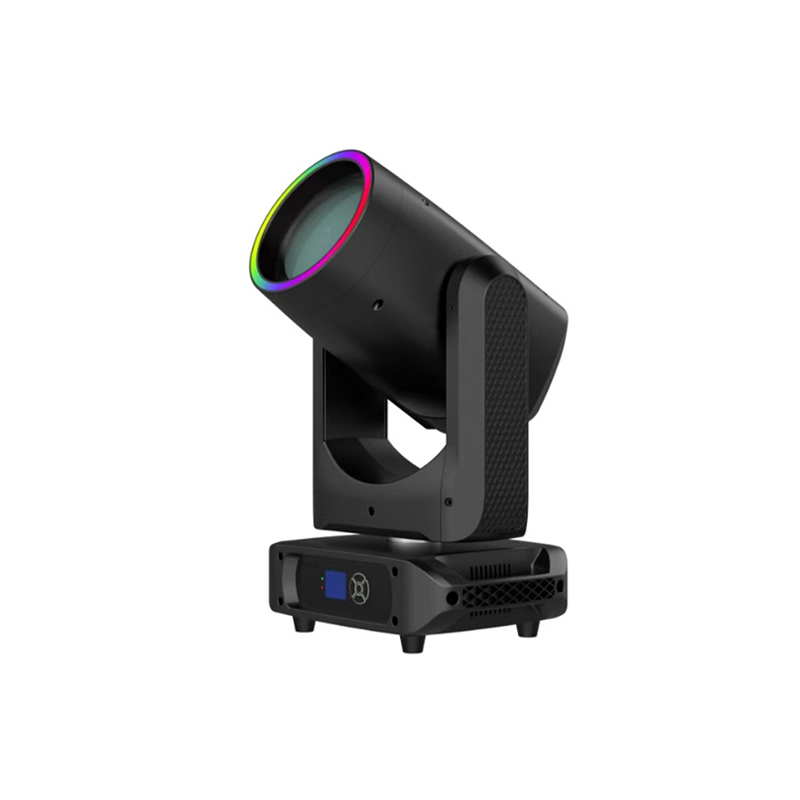
1. Can I use Sharpy lights outdoors?
Yes — but only if the model has a proper IP65 waterproof rating. Otherwise, moisture could damage the fixture.
2. What makes a Sharpy light different from a regular beam light?
All Sharpies are beam lights, but not all beam lights have the same punch. Sharpy models focus on extreme intensity and speed.
3. Do I need a controller to operate them?
For full control, yes. A DMX controller lets you adjust color, movement, and effects. But most units also have built-in demo programs for plug-and-play use.
4. Should I choose LED or lamp-based Sharpies?
LED Sharpies are quieter, cooler, and more energy-efficient. Lamp-based ones still win slightly on raw brightness, making them better for very large venues.
5. How many Sharpy lights do I need?
That depends on your space. A small bar might use four or six units, while a large concert could require twenty or more for balanced coverage.
Getting the Most Out of Your Sharpy Lights
Even the best fixture needs the right setup to shine — literally. Here are a few tips that lighting pros swear by:
- Always use a fog or haze machine. The beam effect depends on particles in the air.
- Try placing lights at different heights and angles for depth.
- Combine beam, wash, and spot lights to build layers of color and contrast.
- Experiment with movement speed and color transitions to match your event’s rhythm.
A little creativity goes a long way.
Final Thoughts
A Sharpy light isn’t just about brightness — it’s about bringing emotion and energy to your stage. Whether you’re a DJ, club owner, or event planner, investing in high-quality Sharpy fixtures can completely change the look and feel of your performance space.
When you choose wisely and program creatively, your lighting won’t just illuminate the stage — it will transform it.
FAQs
Q1: Can I control multiple Sharpy lights at once?
Yes. Use a DMX controller to synchronize several fixtures together.
Q2: How long do LED Sharpies last?
Most models offer up to 50,000 hours of lifespan before any major maintenance.
Q3: Can beginners set them up easily?
Absolutely. Most units come with pre-programmed modes — great for first-time users.
Q4: Do Sharpy lights need regular cleaning?
A quick lens wipe and fan check every few weeks will keep them performing smoothly.
Q5: What’s the best brand to buy?
Several manufacturers produce quality Sharpy lights — choose based on brightness, build quality, and after-sales service.
Previous Page
More Cases


Online Message
Quick Links
Contact Information
Address: A8 Building Meiwang Industrial Park, Guangtang south street, Huadu District,Guangzhou, China.
Phone: +86 158 1889 3706
WhatsApp:+86 158 1889 3706