
Moving Head DJ Lights Guide: Power, Control & Performance
Classification:
summary description]
There’s a reason moving head DJ lights has become the go-to for event professionals and club owners. These versatile lighting fixtures don’t just brighten up a space — they bring it to life. With beams that twist, tilt, sweep, and flash, they’re the secret sauce behind those immersive light shows that keep dance floors packed and energy levels high.
What Are Moving Head DJ Lights?
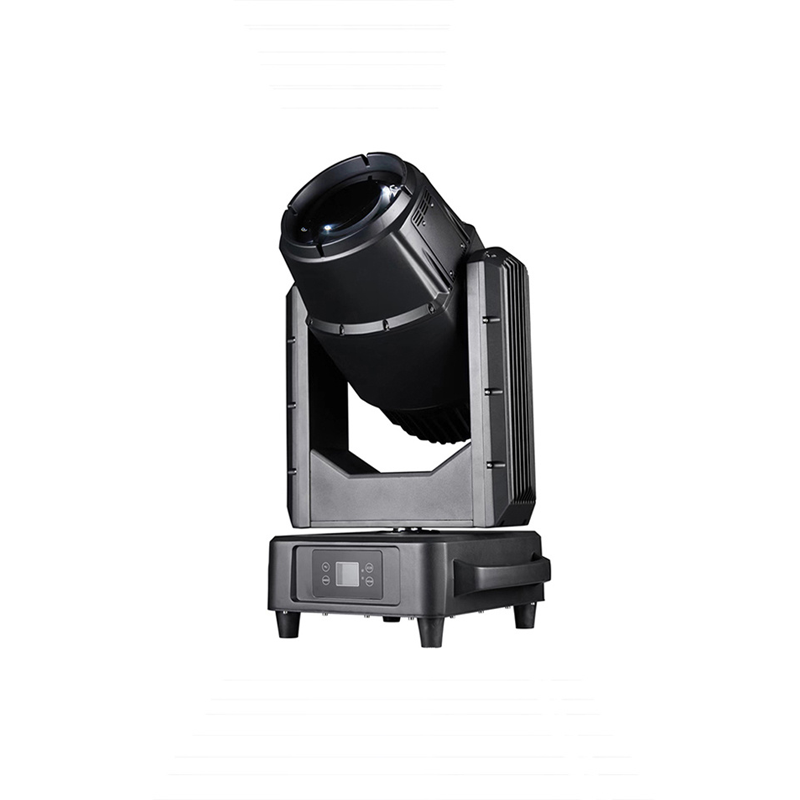
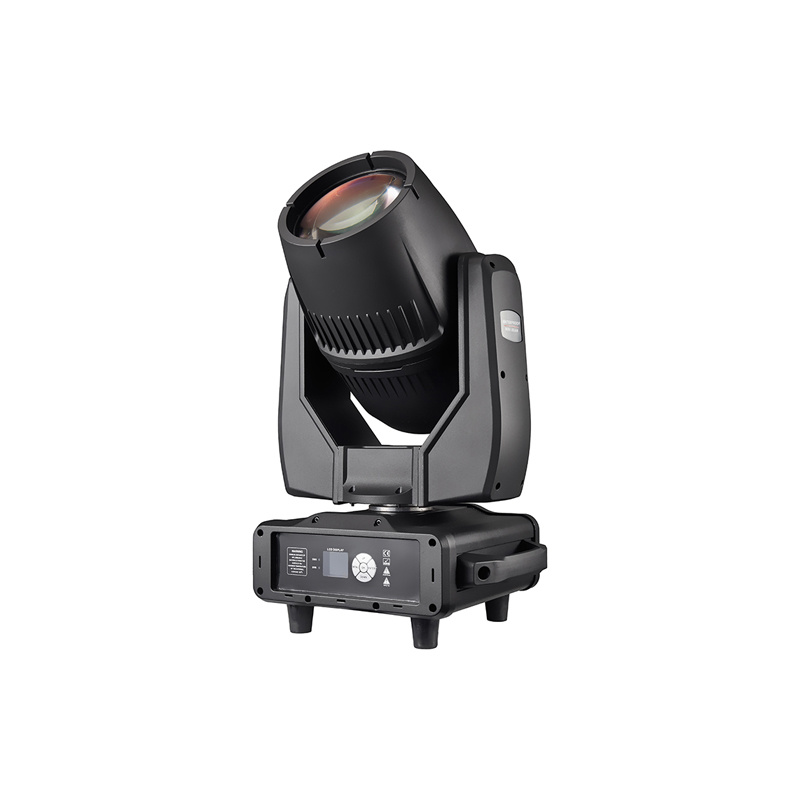
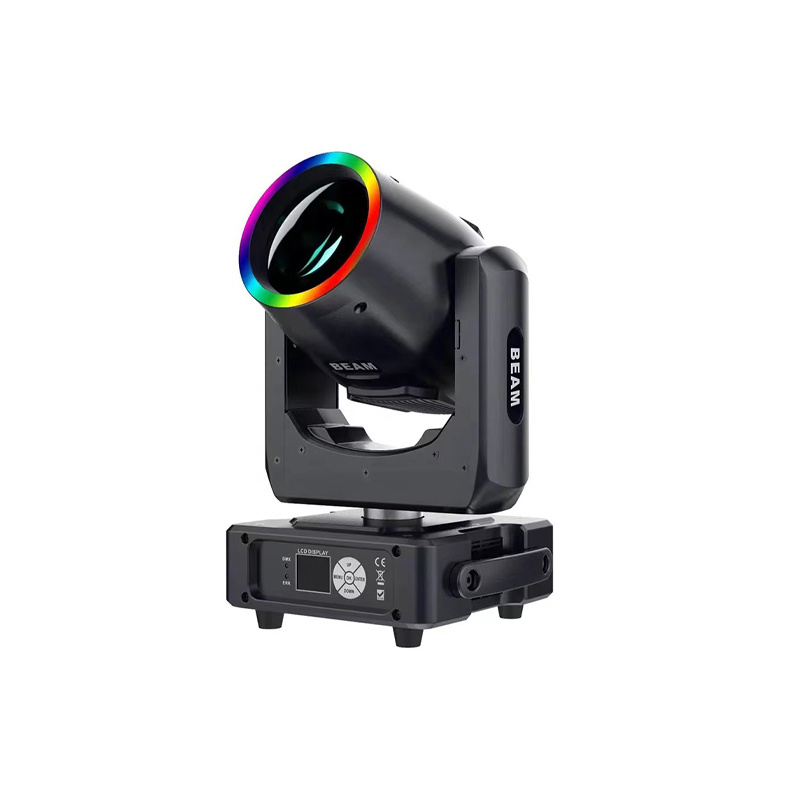
In short, they’re intelligent lighting units that move — and not just side to side. Moving head lights can pan, tilt, shift color, and throw patterns, all while syncing to music or pre-programmed scenes. They come in different styles, too:
- Spot: Delivers sharp, focused beams — ideal for spotlighting and pattern projection.
- Wash: Produces softer, wide-angle lighting that paints an area with color.
- Beam: Shoots narrow, high-intensity beams across long distances. Perfect for dramatic, club-style effects.
Put simply, if your goal is to add depth, motion, and impact to a light show, moving head lights are your best friend.
Why DJs Love Them
1. They Bring the Energy
Sound is only half the story. Lighting sets the mood. The moment a moving head light snaps into motion with a beam that dances across fog, the crowd feels it — it’s kinetic, visceral, unforgettable.
2. You’re in Control
DMX controllers let you dictate every move: pan angles, tilt speeds, color shifts, and gobo patterns. Want your lights to chase each other across the ceiling? You can do that. Prefer them to pulse gently to ambient music? That’s on the table, too.
3. Easy to Transport
Many modern models are lightweight and compact — designed for life on the road. Mobile DJs, this is where these lights shine. Pack them up after a set, toss them in a case, and you’re ready for the next gig.
4. Fit for Any Venue
From small lounges to large outdoor stages, moving heads scale up or down. You can mount them on trusses, tuck them in corners, or hang them above a crowd — wherever you place them, they adapt to the environment.
What to Look for in a Moving Head Light
Before you hit “buy,” pause. Not all fixtures are made equal. Here are the core features to pay attention to:
- Output Power: More wattage means brighter beams. For larger venues or outdoor events, don’t go below 100W.
- Movement Range: A wider pan (ideally 540°) and tilt (around 270°) give your setup full coverage.
- DMX Channels: The more channels, the more control. Advanced lights offer intricate customization via DMX.
- Color and Gobo Wheels: Swapping colors and projecting custom shapes (gobos) is a must for most modern gigs.
- Cooling and Noise: Quiet fans and smart temperature control help your lights run smoothly without drawing attention.
- Build Quality: Rugged exteriors matter. If you’re doing frequent setups and teardowns, your gear needs to survive the hustle.
Where to Use Them
These lights aren't just for clubs. They're everywhere:
- Nightclubs & Lounges: Mounted above or on stage, they bring a rhythmic pulse to any beat.
- Mobile Events: Weddings, corporate events, school dances — any place where atmosphere matters.
- Festivals & Concerts: With dozens of fixtures working in harmony, the results are nothing short of breathtaking.
- Live Streaming Setups: Even for online shows, moving head lights add a level of professionalism that static lights can’t match.
Make the Most of Your Setup
Want your lights to impress truly? Here’s how to get there:
- Add Haze: No haze, no beams. A light’s movement becomes visible only when particles catch the light.
- Go Vertical: Elevate your lights using trussing or ceiling mounts. It gives your setup dimension and avoids shining in people’s eyes.
- Design with Purpose: Don’t just move lights randomly. Build tension. Create moments. Let your lighting follow the story your music tells.
- Use Presets Wisely: Whether with DMX software or controllers, save your favorite scenes. It’ll save time and guarantee consistency.
Maintenance Tips
Good gear deserves good care. Keep your moving heads in top shape with a few simple habits:
- Clean lenses and mirrors regularly — dust and fingerprints degrade output quality.
- Don’t ignore firmware updates. They often include performance fixes or new features.
- Store lights in padded cases. It may sound obvious, but even one drop can ruin internal components.
- Periodically inspect for cable wear, cracked housing, or loose parts.
Finding the Right Supplier
Here's where it gets serious. If you're investing in moving head DJ lights, don't cut corners. Look for a supplier that:
- Offers responsive technical support
- Provides warranty coverage and parts
- Has a strong reputation among DJs or event professionals
- Understands the needs of live performers
Reliable gear backed by a reliable team means fewer headaches during showtime.
Conclusion
Moving head DJ lights are more than just flashy gadgets — they’re performance tools that transform events into experiences. Whether you're building your first light show or adding sophistication to a professional rig, choosing the right lights (and learning to use them effectively) can elevate your sets to a whole new level.
From intimate gigs to festival main stages, the difference between “just music” and a truly electrifying night often comes down to how the lights move with the beat.
Frequently Asked Questions
1. Are moving head lights plug-and-play?
Some are. Most have built-in programs so that you can get started without DMX. But for full control, DMX is the way to go.
2. Can beginners use them?
Absolutely. With a little experimentation or a basic DMX controller, you’ll pick it up fast.
3. What’s the difference between spot, wash, and beam?
The spot is for detail, the wash is for atmosphere, and the beam is for punch. Each has its visual personality.
4. Are they suitable for outdoor events?
Only if they’re weather-rated, look for IP65-rated models if you plan to use them outdoors.
5. Do I need more than two lights?
You can start with two. But for larger venues or more dramatic effects, four or more gives you more room to get creative.
More Cases


Online Message
Quick Links
Contact Information
Address: A8 Building Meiwang Industrial Park, Guangtang south street, Huadu District,Guangzhou, China.
Phone: +86 158 1889 3706
WhatsApp:+86 158 1889 3706