
Moving LED Lights for Stage and Events | Pro Lighting Guide
Classification:
summary description]
Introduction
Step into any modern concert, festival, or theatrical performance, and chances are you’ll be dazzled by the lighting. Not just static colors or simple spotlights—but sweeping beams, pulsing rhythms, and seamless transitions. What’s making all that happen? Moving LED lights.
These lights have quickly become a staple in event and stage design. They’re not only efficient and versatile but also packed with creative potential. In this guide, we’ll unpack what makes moving LED lights so essential for professionals, why they outperform older lighting tech, and how you can choose the right one for your setup.
So, What Exactly Are Moving LED Lights?
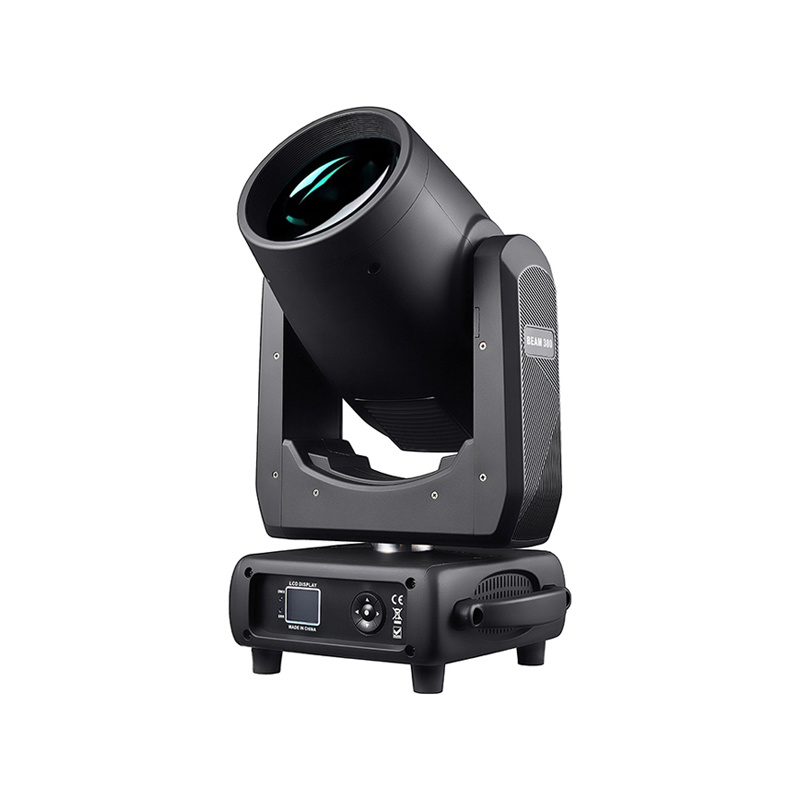
At their core, moving LED lights are lighting fixtures that can rotate, tilt, and shift angles during a show. Unlike traditional lights that stay fixed, these lights bring the magic of motion to lighting design. Powered by LED technology, they offer bright, vibrant beams that can change direction, color, and pattern—all at the push of a button or tap of a screen.
They’re often controlled using DMX or similar systems, giving lighting designers incredible precision and flexibility.
Key capabilities include:
- 360° pan and tilt functions
- Color mixing with RGB or RGBW LEDs
- Swappable lenses for beam, wash, or spot effects
- Built-in programs for standalone operation
- Syncing with music or sound cues
Why Professionals Rely on Moving LED Lights
1. They Add Motion to Static Spaces
Let’s face it—no one wants a flat light show. Movement adds drama. Whether it’s beams crisscrossing the stage or soft sweeps of color across a crowd, movement keeps things visually interesting.
2. Energy Costs Stay Low
LEDs are known for being power-friendly. Compared to traditional discharge lamps, they consume far less electricity while delivering more brightness. That means lower utility bills and fewer worries about overheating.
3. Less Maintenance, Longer Lifespan
LEDs can run for tens of thousands of hours. For production teams, this is a game-changer. Less downtime. Fewer replacements. Fewer headaches.
4. Multiple Effects in One Fixture
One fixture can project patterns, flash like a strobe, wash an entire wall, or spotlight a performer. That level of versatility means fewer lights to pack and more effects to play with.
5. Precision Control for Every Cue
With DMX and programmable features, moving LED lights give designers near-complete control over every movement and transition. Want a red strobe during the drop? No problem. Need a smooth fade into cool blues? Done.
Types of Moving LED Lights You’ll Come Across
Not all moving LED lights are built the same. Here’s a breakdown:
- Beam Moving Heads – Super-narrow, super bright. Perfect for aerial effects and light tunnels.
- Spot Moving Heads – Wider than beams and often used to project patterns or gobos.
- Wash Moving Heads – Great for covering large spaces with soft, even light.
- Hybrid Fixtures – These combine beam, spot, and wash in a single body. Ideal for flexible setups.

Each type has its role. Some stages use all of them together to create layered visuals.
Where Are They Used?
Everywhere light matters.
- Music festivals
- Concert tours
- Club nights
- Weddings
- Trade shows
- Broadcast studios
- Theme parks
Any space that needs an immersive atmosphere or precise lighting control can benefit from moving LED lights.
How to Choose the Right-Moving LED Lights
Before placing an order or finalizing your lighting rig, ask yourself:
How big is your venue?
Smaller venues benefit from compact lights with wide spreads. Large arenas may require high-powered beams with long throw distances.
What effects are most important?
Are you focusing on spotlighting performers? Creating mood lighting? Building complex visuals for dance music? Your answer affects the kind of fixture you need.
Will it be used indoors or out?
Outdoor events demand IP-rated waterproof models. Indoors, you have more freedom, but ventilation and mounting points still matter.
Do you need portability?
For touring, lightweight models with fast setup and teardown times are ideal. For permanent installations, more robust units can offer advanced features.
Setup Tips for Smooth Operation
- Use quality rigging hardware to secure fixtures, especially for overhead installs. Safety cables are a must.
- Label your DMX channels clearly. This prevents signal conflicts and simplifies troubleshooting.
- Test all scenes before the show. Make sure transitions are smooth, and cues are in sync.
- Clean your lenses and fans regularly. Dust buildup can degrade light quality and shorten equipment lifespan.
The Future of Moving LED Lights
Technology in the lighting world is moving fast. Here’s what’s coming next:
- Smarter control systems that integrate with AI or auto-sync to audio tracks
- App-based lighting control for faster setup and testing
- More compact designs with increased brightness and color accuracy
- Wireless DMX to cut down on cable clutter and improve flexibility
As demand for immersive events grows, so will the innovation behind moving LED lights.
Conclusion
Moving LED lights are more than just another stage tool—they’re a creative asset. They add depth, motion, and emotion to performances, helping lighting designers bring their vision to life.
More Cases


Online Message
Quick Links
Contact Information
Address: A8 Building Meiwang Industrial Park, Guangtang south street, Huadu District,Guangzhou, China.
Phone: +86 158 1889 3706
WhatsApp:+86 158 1889 3706