
DJ Laser Light – Create Stunning Visual Effects for Any Event
Classification:
summary description]
Introduction
Lighting can make or break an event. A great DJ set isn't just about music; it's about atmosphere. DJ laser lights bring energy, transforming any space with dynamic beams and rhythmic patterns. Whether you're hosting a club night, a concert, or a private party, these lights add a professional touch. In this guide, we'll dive into why DJ laser lights are essential, how to choose the right one, and tips to maximize their impact.
What is a DJ Laser Light?
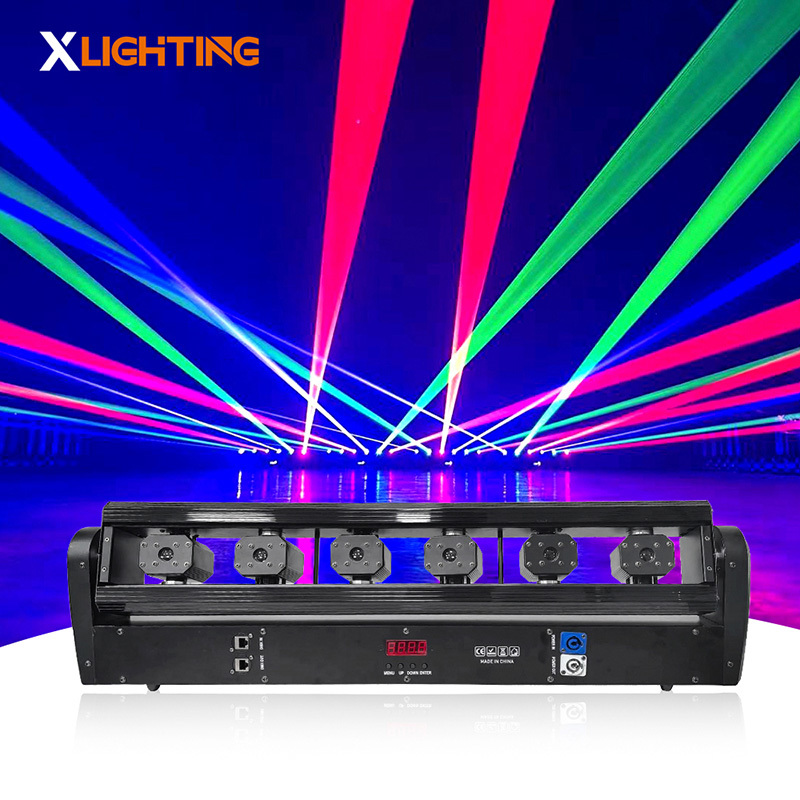
A DJ laser light is more than just a lighting fixture. It projects high-intensity laser beams in various colors, patterns, and movements, creating an immersive experience. Some models feature simple single-color beams, while others offer full RGB spectrum effects. With customizable settings, these lights can be synced with music, making them a staple for any DJ or event planner.
Why Use DJ Laser Lights?
- Unmatched Visual Impact – Unlike regular lighting, lasers produce sharp, vibrant beams that cut through darkness and fog, creating breathtaking effects.
- Perfect Music Synchronization – Many DJ laser lights feature built-in sound activation and DMX control, allowing seamless integration with music beats.
- Versatile for Different Events – Whether it’s a nightclub, wedding, festival, or home party, DJ laser lights adapt to various settings.
- Energy Efficiency – Modern laser lights consume less power while delivering high-intensity output, making them a cost-effective option.
- Fully Customizable Effects – From rotating patterns to pulsating beams, DJs can craft unique visual displays that complement their music style.

Choosing the Right DJ Laser Light
1. Brightness and Power
Laser power is measured in milliwatts (mW). For smaller venues, 100mW to 500mW lasers work well, but larger spaces require 1000mW or more for maximum visibility.
2. Color Variety
- Single-color lasers: Great for minimalistic effects.
- Dual-color lasers: Offer slightly more variation.
- Full RGB lasers: The most flexible option, allowing complete color mixing and customization.
3. Control and Operation
- Sound-activated mode: Automatically syncs lighting effects with beats.
- DMX control: Enables professional-level customization and integration with other lighting fixtures.
- Remote operation: Convenient for small-scale events and personal use.
4. Safety Considerations
High-powered lasers require proper handling. Always choose models with built-in safety features like scanning safeguards and compliance with laser regulations.
Tips for Using DJ Laser Lights
- Use fog or haze machines – Lasers become more visible when passing through the fog, enhancing the overall effect.
- Position strategically – Place lasers high above the crowd to maximize coverage and avoid direct eye exposure.
- Experiment with settings – Play around with different speeds, colors, and patterns to create engaging visuals.
- Combine with other lighting – Mixing lasers with moving heads or LED par lights creates a more immersive experience.
Conclusion
DJ laser lights are more than just an accessory; they are a game-changer for any event. Whether you're a professional DJ, an event organizer, or someone throwing a private party, these lights can take your setup to the next level. By choosing the right laser and using it effectively, you can create a memorable experience that captivates your audience.
FAQs
1. Can DJ laser lights be used outdoors?
Yes, but ensure they are designed for outdoor use and protected from weather elements.
2. Do DJ laser lights require special software?
Some models do, especially for advanced programming. However, many have standalone and DMX-compatible modes.
3. Are DJ laser lights safe for home use?
Yes, as long as they meet laser safety regulations and are used responsibly.
4. What is the lifespan of a DJ laser light?
Most models last between 5,000 and 10,000 hours, depending on usage and maintenance.
5. Can DJ laser lights sync with music automatically?
Yes, most DJ laser lights feature sound activation, allowing them to pulse and move in sync with beats.
More Cases


Online Message
Quick Links
Contact Information
Address: A8 Building Meiwang Industrial Park, Guangtang south street, Huadu District,Guangzhou, China.
Phone: +86 158 1889 3706
WhatsApp:+86 158 1889 3706