
Kinetic Lighting: Transform Your Event with Dynamic Light Motion
Classification:
summary description]
Kinetic lighting is changing the way we experience concerts, theater productions, and live events. By combining light, motion, and technology, this innovative system brings a new level of immersion to performances, making them more dynamic and visually captivating.
What Is Kinetic Lighting?
Put, kinetic lighting is a system where lights move in sync with music, performances, or pre-programmed sequences. Unlike traditional lighting, which stays in fixed positions, kinetic lighting integrates motorized fixtures, LED technology, and DMX control to create stunning visual effects.
How Kinetic Lighting Works
The magic of kinetic lighting lies in its ability to move with precision and fluidity. The setup typically includes:
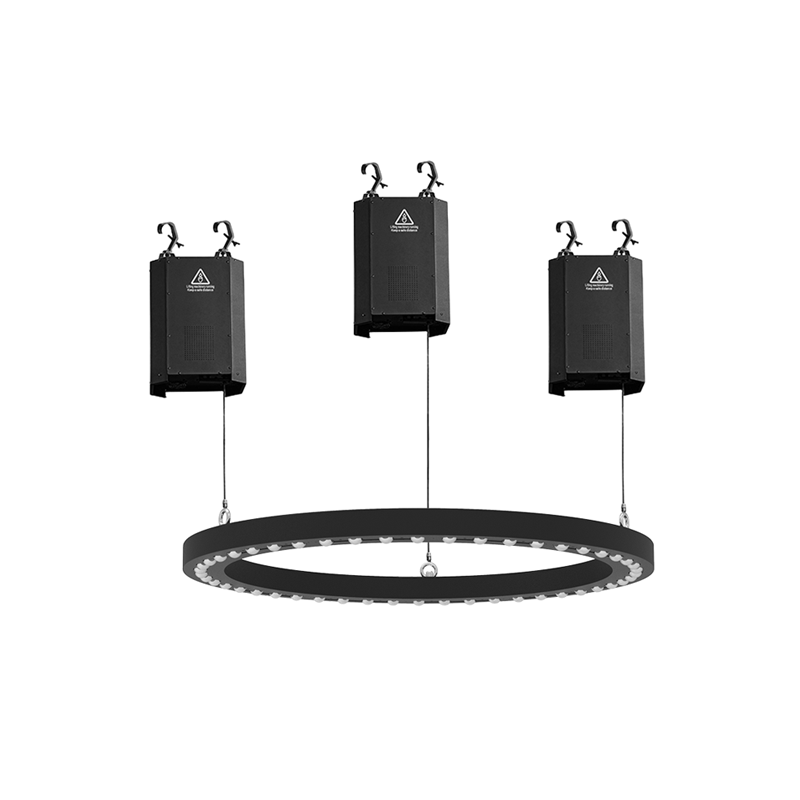
- Motorized Light Fixtures – These include lifting balls, moving head lights, and rotating LED panels.
- DMX & Programmable Control – Using the DMX512 protocol, designers can program intricate lighting sequences or sync them in real-time with music.
- Choreographed Motion – Lights don’t just turn on and off; they lift, tilt, rotate, and flow in patterns, creating mesmerizing effects.
Where Is Kinetic Lighting Used?
1. Concerts and Live Shows
Big-name artists and DJs rely on kinetic lighting to enhance the energy of their performances. When lights move in harmony with the beats, the experience becomes more immersive for the audience.
2. Nightclubs and Music Festivals
High-end clubs and electronic music festivals use kinetic lighting to create pulsating environments where light and sound blend seamlessly.
3. Corporate Events and Product Launches
Brands looking to make an impact use kinetic lighting to create visually striking presentations that capture attention instantly.
4. Theater and Stage Productions
Theater directors use kinetic lighting to add a new dimension to stage designs. The ability to move and shift light enhances storytelling in subtle yet powerful ways.
5. Exhibitions and Interactive Installations
Museums and exhibitions integrate kinetic lighting to create dynamic, interactive displays that engage visitors.
Why Use Kinetic Lighting?
✅ Grabs Attention Instantly – The combination of motion and light is naturally engaging, drawing audiences into the moment.
✅ Endless Customization Options – Whether you need smooth, flowing movements or rapid, energetic changes, kinetic lighting can be programmed to match any event theme.
✅ Energy-Efficient LED Technology – Many kinetic lighting systems use LED fixtures, which provide brilliant visuals while consuming less power.
✅ Synchronizes with Music and Performers – With real-time control, lighting can adapt to every beat, movement, and transition seamlessly.
Choosing the Right Kinetic Lighting Setup
Not all kinetic lighting setups are the same. Consider these factors when selecting the best system for your event:
- Venue Size & Ceiling Height – Some kinetic lighting effects require more vertical space for optimal movement.
- DMX Compatibility – Ensure your lighting system integrates well with your existing control setup.
- Fixture Types – Different lights produce different effects. Moving heads, lifting balls, and kinetic tubes each bring unique visual elements.
- Ease of Installation & Maintenance – Work with professionals to ensure smooth setup and long-term reliability.
The Future of Kinetic Lighting
Technology is evolving, and so is kinetic lighting. Expect to see AI-driven automation, wireless DMX controls, and interactive elements that respond to audience movement. As 3D holographic effects and drone-integrated kinetic lighting emerge, the possibilities will only continue to expand.

Final Thoughts
Kinetic lighting is more than just a trend; it’s the future of immersive entertainment. Whether you’re hosting a concert, launching a product, or designing a theatrical masterpiece, this technology ensures an unforgettable experience. The fusion of light and motion has the power to transform any event into a breathtaking spectacle.
FAQs
1. How is kinetic lighting different from traditional stage lighting?
Unlike traditional lighting, which is primarily static, kinetic lighting moves dynamically, adding layers of depth and motion to the visual experience.
2. Is kinetic lighting expensive?
While the initial investment can be high, the energy efficiency and longevity of LED fixtures make it cost-effective in the long run.
3. Can kinetic lighting be programmed for specific performances?
Absolutely! Designers can create fully customized sequences to match any event’s theme and music.
4. What kind of events benefit the most from kinetic lighting?
Concerts, festivals, nightclubs, product launches, and theater productions all see a significant impact from kinetic lighting.
5. Can kinetic lighting be used outdoors?
Yes, there are weather-resistant options designed specifically for outdoor concerts, festivals, and large-scale installations.
Previous Page
More Cases


Online Message
Quick Links
Contact Information
Address: A8 Building Meiwang Industrial Park, Guangtang south street, Huadu District,Guangzhou, China.
Phone: +86 158 1889 3706
WhatsApp:+86 158 1889 3706