
Beam Lights: Essential Stage Lighting for Stunning Effects
Classification:
summary description]
When it comes to creating an unforgettable lighting experience, beam lights are a game changer. These high-powered lights are designed to produce sharp, focused beams of light that cut through the darkness. Whether you're an event organizer, lighting designer, or enthusiast, mastering the use of beam lights can completely transform a venue and elevate your lighting design to the next level.
In this guide, we’ll break down everything you need to know about beam lights, from their key features to where and how you can use them to create stunning visual effects. Let’s dive in.
What Are Beam Lights?
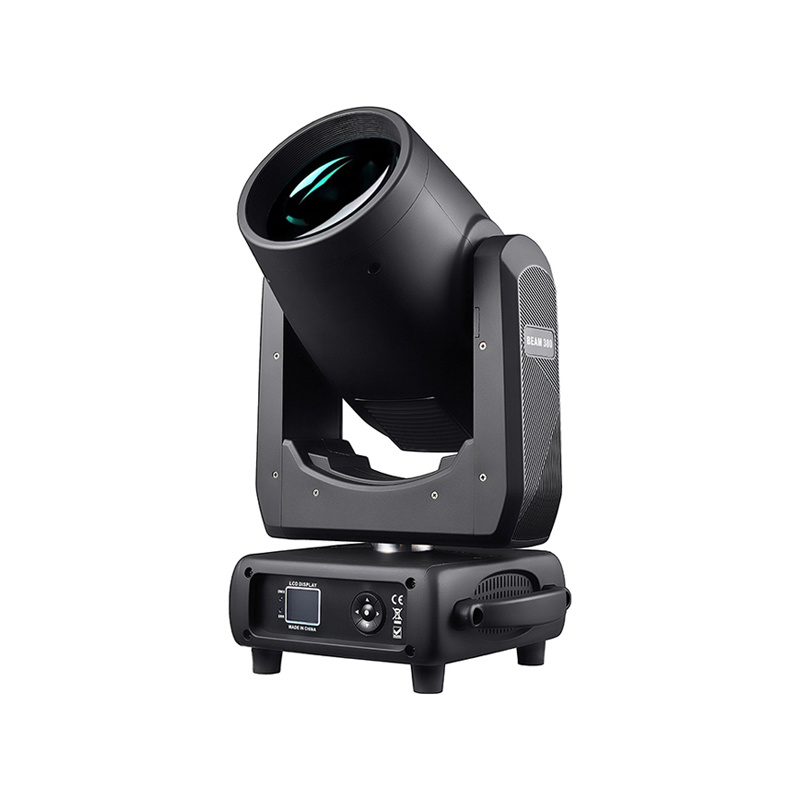
A beam light is a type of stage lighting that projects a narrow, intense beam of light, typically between 1 and 5 degrees. Unlike wash lights, which spread light over a wide area, beam lights are designed to focus the light into a sharp, well-defined beam that can travel long distances. The result? A dramatic, eye-catching effect that’s perfect for creating stunning visual displays in live shows and events.
These lights can be used in various setups, from concerts to theatrical productions. They often come with features like adjustable angles, color-changing abilities, and even Gobo projectors to create custom patterns and logos.
Key Features of Beam Lights:
- Powerful Intensity: Beam lights are built to shine bright, cutting through the darkness with impressive clarity.
- Narrow Beam Angle: The narrow-angle allows the beam to focus its light precisely, offering sharp, clean lines.
- Versatility: Many models feature adjustable settings, allowing you to change the direction and angle of the beam to suit your needs.
- Color Options: From vibrant hues to subtle pastels, beam lights often come with color-changing features for added effect.

How Beam Lights Are Used in Stage Lighting
Beam lights are incredibly versatile, making them a staple in many types of events and performances. Here’s how they’re typically used:
1. Concerts and Live Performances
In concerts, beam lights are essential for creating attention-grabbing moments. Their ability to produce narrow, intense beams of light makes them perfect for highlighting solo performers or specific moments in the show. Add fog or haze into the mix, and you’ll get that iconic “light ray” effect that mesmerizes the audience.
2. Nightclubs and Dance Floors
Beam lights aren’t just for concerts—they’re also a big hit in nightclubs. These lights can be programmed to sync with the beat of the music, adding energy and excitement to the dance floor. When combined with moving effects, they create a dynamic atmosphere that keeps the crowd engaged all night long.
3. Theatrical and Dance Performances
Theatrical productions often rely on beam lights to create dramatic lighting effects. Whether it’s a spotlight on a lead actor or a striking visual moment during a dance sequence, beam lights help focus attention exactly where it’s needed.
4. Corporate and Brand Events
In corporate settings, beam lights project logos, product designs, and other branding materials. Their high intensity and precision can highlight key elements during product launches or corporate presentations, ensuring the brand gets noticed.
Choosing the Right Beam Light for Your Event
Not all beam lights are created equal, so choosing the right one for your specific needs is crucial. Here are a few things to keep in mind when selecting a beam light:
1. Brightness and Wattage
Make sure the beam light has enough power to cover your venue. For larger spaces or outdoor events, you may need lights with higher wattage (e.g., 300W, 600W, or more) to ensure the beams are visible even from a distance.
2. Adjustability
Look for beam lights that offer a wide range of movement, including pan and tilt. This flexibility lets you tailor the lighting to fit different stage layouts and performance needs.
3. Color Options and Effects
Many beam lights come equipped with color-changing wheels or LED capabilities. Depending on the atmosphere you want to create, choose lights that can provide the exact colors and effects you need.
4. Durability
Consider the beam light's durability, mainly if it will be used frequently. Opt for models with solid construction and cooling systems that prevent overheating.
Tips for Maintaining Beam Lights
Keeping your beam lights in top condition will ensure they perform well for years to come. Here are a few tips for maintenance:
- Regularly Clean the Lenses: Dust and dirt can distort the beam, so make sure to clean the lenses regularly.
- Check for Overheating: Beam lights can get very hot, especially during prolonged use. Ensure that they’re adequately ventilated to avoid overheating.
- Inspect for Damage: Look for signs of wear and tear. Replace any broken components as soon as possible to avoid more significant issues.
- Software Updates: If your beam lights come with built-in software, make sure it’s updated to avoid glitches and maximize performance.
Conclusion
Beam lights are an essential tool for creating powerful, visually engaging stage lighting. Their intense, focused beams can highlight performers, create dramatic effects, and add excitement to any event. By understanding how to choose, use, and maintain these lights, you’ll be able to enhance any lighting design and take your event to the next level.
FAQs About Beam Lights
- How do beam lights differ from wash lights?
- Beam lights produce a narrow, intense beam of light, while wash lights cover a broader area with softer, less focused light.
- Can beam lights be used outside?
- Yes, but make sure they’re rated for outdoor use to protect them from the elements.
- Can I sync beam lights with music?
- Absolutely! Many beam lights can be connected to a lighting controller that synchronizes them to the beat of the music.
- Are LED beam lights energy-efficient?
- Yes, LED beam lights are much more energy-efficient than traditional incandescent lights.
- What is the typical lifespan of a beam of light?
- With proper care and maintenance, high-quality beam lights can last for several years, mainly if they’re used in environments that don’t strain them too much.
Previous Page
More Cases


Online Message
Quick Links
Contact Information
Address: A8 Building Meiwang Industrial Park, Guangtang south street, Huadu District,Guangzhou, China.
Phone: +86 158 1889 3706
WhatsApp:+86 158 1889 3706