
Kinetic LED Lighting: Revolutionizing Stage Design with Motion and Light
Classification:
summary description]
Kinetic LED lighting is changing the game for stage design, events, and even architectural spaces. It’s more than just light—it’s a dynamic interplay of motion, color, and creativity. If you’ve ever watched a moving light display that seemed alive, you’ve already experienced its magic. But what exactly makes kinetic LED lighting so special? Let’s take a closer look.
What Is Kinetic LED Lighting?
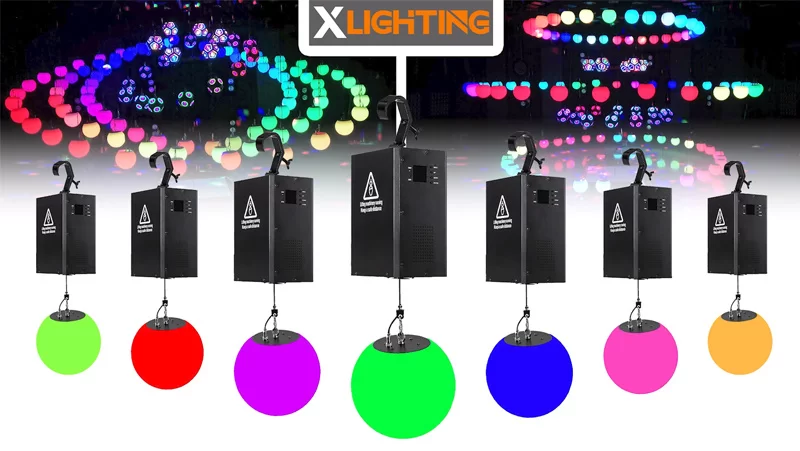
At its heart, kinetic LED lighting merges movement with vibrant LED technology. Using motorized systems, lights can rise, fall, spin, or pivot in perfectly synchronized patterns. Imagine a ceiling filled with glowing orbs, gently descending like stars, or a wall of lights that ripple like waves. This isn’t just lighting—it’s storytelling through motion.
These systems are powered by:
- Motorized mechanisms: They handle the physical movement.
- Advanced controls: DMX and other protocols ensure seamless synchronization.
- LED brilliance: Vibrant colors and energy efficiency meet versatility.
The result? A visual spectacle that’s captivating, immersive, and unforgettable.
Where Is Kinetic LED Lighting Used?
You’ve likely seen kinetic LED lighting in action, even if you didn’t realize it. Here are some of its most popular applications:
- Concerts and Festivals
Imagine the bass dropping at a music festival as hundreds of lights dance in unison. From pulsing LED spheres to moving beams of light, kinetic systems amplify the energy of live performances.
- Nightclubs and Bars
For nightclubs, lighting is everything. Kinetic LED setups take the experience up a notch by syncing with the DJ’s beats. A ceiling of motorized light panels can transform any club into a next-level venue.
- Corporate Events and Product Launches
Want to make an impression at a product launch? Kinetic lighting can be customized to showcase a brand’s logo, colors, or key message. It’s perfect for exhibitions and large-scale corporate presentations.
- Stage Productions
From theater performances to TV sets, kinetic lighting enhances storytelling. Moving lights draw the audience’s attention to key moments, making scenes more dramatic and engaging.
Why Choose Kinetic LED Lighting?
Not all lighting systems are created equal. Here’s what sets kinetic LED lighting apart:
- Stunning Visual Impact
Static lights can only do so much. Add movement, and suddenly, the entire space comes alive.
- Energy Efficiency
With LED technology, you get the best of both worlds—brilliant visuals and minimal energy consumption.
- Endless Customization
Kinetic lighting can be programmed for any event, from soft and subtle to bold and dramatic.
- Durability and Cost Savings
LEDs last longer and consume less power, making kinetic systems a wise investment over time.
How Does It Work?
Kinetic LED systems sound complex, but their setup is straightforward for professionals. The key components include:
- Motors to control motion.
- Control software, like Madrix or MadMapper, for programming effects.
- LED lights, which offer vibrant, customizable colors.
Together, these elements create mesmerizing displays that can sync with music, visuals, or live performances. The level of precision achievable is remarkable, allowing for intricate designs that feel almost organic.
Bringing Your Vision to Life
If you’re considering kinetic LED lighting for your next project, here’s how to get started:
- Define Your Goal: What mood or message do you want to convey?
- Select the Right Equipment: Options range from lifting balls to rotating panels.
- Collaborate with Experts: Designing and programming kinetic systems requires skill.
- Test Before Showtime: Run tests to ensure flawless execution.
Whether it’s a concert or a corporate gala, planning is key to creating an unforgettable experience.
The Future of Kinetic LED Lighting
Technology never stands still, and neither does lighting. Kinetic LED systems are evolving, with innovations like AI-driven motion patterns and wireless setups becoming the new standard. The potential is limitless—retail stores, art installations, and even luxury homes could soon incorporate kinetic lighting to enhance their spaces.
Conclusion
Kinetic LED lighting isn’t just a trend; it’s a creative revolution. By blending movement and light, these systems open up endless possibilities for design and storytelling. Whether you’re hosting an event, creating art, or just looking to wow an audience, kinetic lighting is the tool to do it.
FAQs About Kinetic LED Lighting
1. Why is kinetic LED lighting so popular?
Because it combines motion and light to create truly dynamic, immersive visuals.
2. Is it expensive to install?
While the upfront cost can be significant, the long-term savings from LED efficiency make it worthwhile.
3. How hard is it to program?
Modern systems offer intuitive software, but it's always best to work with professionals for complex setups.
4. Can it work outdoors?
Yes, with the right equipment, kinetic LED lighting can be used in outdoor settings.
5. What industries benefit most from kinetic lighting?
Entertainment, hospitality, retail, and corporate events are just a few examples.
More Cases


Online Message
Quick Links
Contact Information
Address: A8 Building Meiwang Industrial Park, Guangtang south street, Huadu District,Guangzhou, China.
Phone: +86 158 1889 3706
WhatsApp:+86 158 1889 3706