
Comprehensive Guide to Stage Lighting Equipment: Types, Benefits, and Tips
Classification:
summary description]
When it comes to delivering an unforgettable performance or creating the perfect atmosphere for an event, stage lighting equipment is indispensable. Whether it’s a dramatic theater production or a high-energy concert, the right lighting can transform the audience’s experience entirely. In this guide, we’ll dive into the various types, applications, and advantages of stage lighting to help you make informed choices for your next event.
Types of Stage Lighting Equipment
1. Spotlights Spotlights are vital for focusing attention on specific areas or individuals on stage. They excel in:
- Highlighting lead actors, musicians, or key performers.
- Creating dramatic isolation effects for a heightened impact.
Different varieties, such as follow spots and profile spots, cater to specific needs.
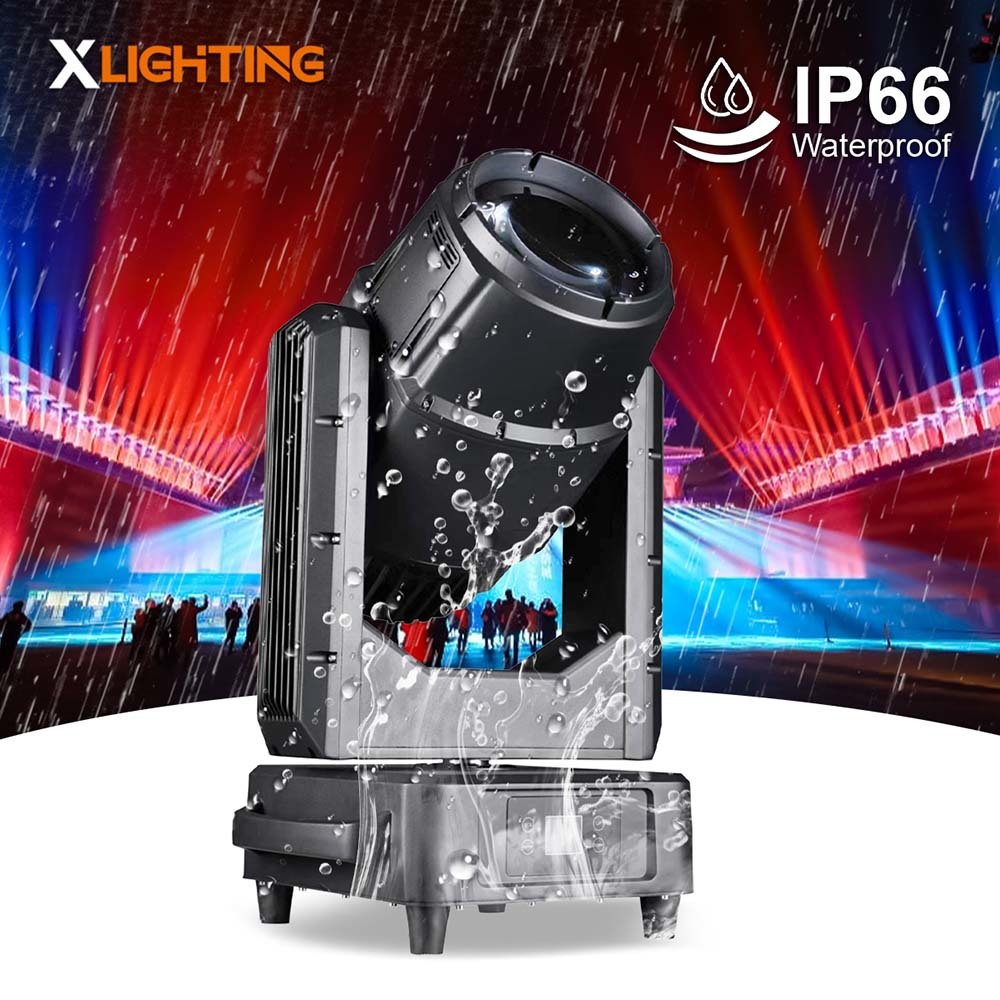
2. Moving Head Lights These flexible lights bring life to any performance with their ability to tilt, pan, and rotate. They shine in:
- Concerts and live shows.
- Nightclubs seeking dynamic visual effects.
- Events requiring frequent light changes or motion.
3. PAR Cans (Parabolic Aluminized Reflector lights) are a staple in stage setups. They are known for:
- Producing broad beams of consistent light.
- Providing ambient washes or vibrant, colorful backdrops.
4. LED Lighting LED lights have revolutionized stage lighting with their efficiency and versatility. They stand out for:
- Energy efficiency and longevity.
- The ability to produce a wide spectrum of colors without the need for filters.
5. Kinetic Lighting: A modern favorite, kinetic lights bring motion and fluidity to any stage. They’re ideal for:
- Large concerts.
- High-tech corporate events.
6. Fog Machines and Lasers: These tools add depth and drama to stage setups. They are perfect for:
- Creating atmospheric effects with fog or haze.
- Adding futuristic visuals with lasers.
Benefits of High-Quality Stage Lighting Equipment
Choosing top-notch stage lighting equipment comes with numerous perks:
- Enhanced Visual Appeal: Lighting draws attention, highlights performances, and sets the tone.
- Energy Efficiency: Modern systems, especially LEDs, cut down power usage without compromising quality.
- Creative Freedom: Advanced technologies allow for nearly limitless customization.
- Reliability: Professional-grade gear ensures consistent performance, even during demanding events.
Key Considerations When Choosing Stage Lighting Equipment
Every event has unique requirements, and selecting the right equipment depends on:
- Venue Size: Larger venues demand more powerful fixtures, while smaller spaces benefit from compact, adjustable lights.
- Event Type: A concert may need vibrant, dynamic lighting, whereas a conference might prioritize clarity and subtlety.
- Budget: Plan your spending to balance immediate needs with long-term benefits, including maintenance and upgrades.

How to Maintain Your Stage Lighting Equipment
Proper care ensures your investment stays functional and efficient. Key tips include:
- Regular Cleaning: Dust and dirt can dull light output over time.
- Organized Cabling: Proper cable management prevents wear and tear or accidental damage.
- Proactive Repairs: Address minor issues before they grow into costly repairs.
- Software Updates: Keep digital control systems updated for smooth operation.
Future Trends in Stage Lighting
The stage lighting industry is evolving rapidly, with exciting trends shaping its future:
- AI and Automation: Smarter systems that adjust in real-time to performances.
- Sustainability: Eco-friendly designs are gaining traction in the market.
- Interactive Lighting: Technologies that react to audience movement or sound.
Conclusion
Stage lighting equipment is much more than a technical necessity—it’s a creative force that can transform events and performances. By understanding the diverse options available, their benefits, and the importance of maintenance, you’re well on your way to creating memorable experiences. Whether it’s a cozy theater show or a massive concert, the right lighting choices make all the difference.
FAQs
1. What is the most common type of stage lighting equipment? PAR cans are a go-to fixture for their versatility and ease of use.
2. How can I make my stage lighting more energy-efficient? Switching to LED fixtures reduces energy consumption significantly while offering vibrant lighting effects.
3. What is kinetic lighting, and how is it used? Kinetic lighting refers to fixtures that move dynamically, creating engaging and fluid visual effects.
4. Can I use stage lighting equipment for outdoor events? Yes, but it’s essential to select weatherproof models designed for outdoor use.
5. How often should I service my stage lighting equipment? Performing routine checks every 3-6 months ensures longevity and peak performance.
More Cases


Online Message
Quick Links
Contact Information
Address: A8 Building Meiwang Industrial Park, Guangtang south street, Huadu District,Guangzhou, China.
Phone: +86 158 1889 3706
WhatsApp:+86 158 1889 3706