
Kinetic Lights Price Guide: How Much Do Kinetic Lights Cost
Classification:
summary description]
Kinetic lights are an exciting and innovative element in modern stage lighting. These dynamic fixtures don't just illuminate—they move and interact, creating a stunning visual spectacle. Whether you're planning a concert, a club event, or a corporate presentation, kinetic lights can take your show to the next level. But, like any professional lighting equipment, the price of kinetic lights is a big consideration. In this article, we'll break down what factors influence the price of kinetic lights and give you a clearer idea of what to expect when investing in them.
What Are Kinetic Lights?
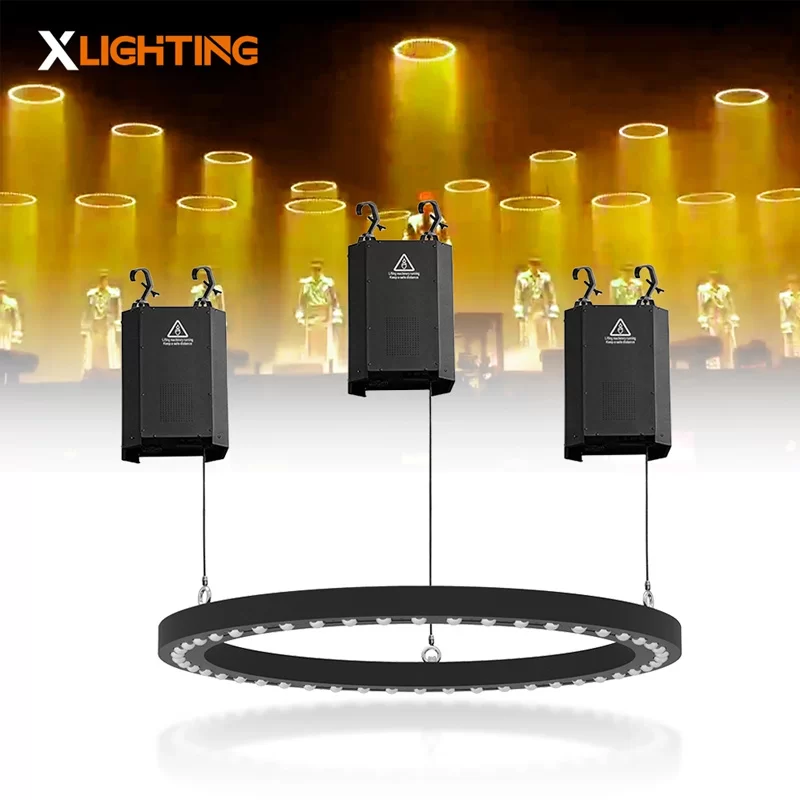
Before diving into prices, it's essential to understand what kinetic lights are. These are lights that move, change position, and interact with their environment. Often controlled through DMX systems, they can perform various dynamic movements, color changes, and even respond to sound.
You'll typically see kinetic lights in large events, like music concerts, festivals, or stage productions, but they are also becoming popular in smaller venues for their dramatic impact. They can be simple moving heads, robotic fixtures, or even elaborate kinetic light sculptures, offering a visually immersive experience that static lights can't match.
What Affects Kinetic Lights Price?
The price of kinetic lights can vary widely, depending on various factors. Understanding these will help you determine what fits your budget and needs. Let's break it down.
- Type of Kinetic Light
The type of kinetic light you choose has the biggest effect on the price. For example, a basic LED moving head might be on the more affordable end of the spectrum, while complex systems that combine multiple features, such as robotic motion and light sculptures, will be significantly more expensive.
Basic models may cost anywhere from $200 to $800, while advanced systems could go as high as $5,000 or more, especially for large-scale installations or highly customized lights.
- Brand Reputation and Quality
Brand matters. Well-known manufacturers like Martin, Chauvet, and Elation tend to have higher price tags. Why? Because these brands are trusted for their reliability, superior materials, and cutting-edge technology. They offer great performance, long lifespans, and excellent customer service, all of which contribute to a higher cost.
On the flip side, lesser-known brands may offer budget-friendly options, but you might not get the same durability or feature set. It's always a balance between price and quality.
- Features and Specifications
What features does the kinetic light offer? If you're looking for a simple moving head that changes direction, that will be less expensive than a unit with a full range of motion, color mixing, and even sound-responsive behavior. Some kinetic lights come with sophisticated programming capabilities, integrated controls, and additional special effects—features that push the price higher.
In short, the more customizable and versatile the light, the more you can expect to pay.
- Size and Power Requirements
The size and wattage of a kinetic light can also impact its cost. Larger lights, which are typically designed for big stages or outdoor events, tend to be pricier because they require more powerful motors and larger, more powerful LEDs.
On the other hand, if you're planning a small-scale event, a compact, lower-wattage model will be enough—and that usually comes at a lower price point.
- Quantity of Lights
Are you buying one or outfitting an entire venue? If you're purchasing multiple kinetic lights, buying in bulk may help you secure a better price. Manufacturers and distributors often offer discounts for large orders, which can reduce the per-unit cost.
Kinetic Lights Price Range
So, what can you expect to pay for kinetic lights? Here's a quick breakdown:
- Entry-Level Kinetic Lights: $150 - $500
- These lights are typically small, simple moving heads or basic LED systems with limited features. They're great for smaller events or for those just starting with kinetic lighting.
- Mid-Range Kinetic Lights: $500 - $1,500
- These lights offer better build quality, more advanced features, and smoother movement. Expect a longer lifespan and more reliable performance for bigger or more frequent events.
- High-End Kinetic Lights: $1,500 - $5,000+
- These are the lights that have it all: high-quality materials, advanced motion capabilities, and incredible control options. Perfect for major concerts, live events, or any production where you need the lighting to be a key part of the experience.
Where to Buy Kinetic Lights
Once you have an idea of your budget and needs, the next step is finding a place to purchase your kinetic lights. You can look at several different sources:
- Authorized Dealers: Authorized distributors often offer the best customer support, warranties, and service. Buying from a reputable dealer ensures that you're getting genuine products.
- Online Marketplaces: Websites like Amazon, eBay, or specialized lighting retailers often carry a range of kinetic lights. While prices might be lower, it's crucial to check the seller's reputation and product reviews to ensure you're getting good quality.
- Direct from Manufacturers: Some manufacturers sell their products directly on their websites. This can sometimes be a good way to secure the best price, especially if they offer bulk discounts.
Is It Worth the Investment?
Kinetic lights are undeniably an investment, but they're an investment that pays off. The visual impact they create can transform any event, whether you're lighting up a concert or creating an immersive art installation. The added movement and interactive elements make them stand out compared to traditional static lights.
When you weigh the cost of kinetic lights against the value they add to your production, it becomes clear that they're not just another expense—they're an essential part of creating a memorable experience.

Conclusion
Kinetic lights can range from affordable to expensive, depending on their type, brand, features, and size. Whether you're outfitting a small venue or designing a large-scale production, understanding these pricing factors will help you make an informed decision.
Remember, the price of kinetic lights reflects not only their features and build quality but also the impact they can have on your event. When you invest in the right kinetic lights, you're not just buying lighting—you're enhancing the overall experience.
Frequently Asked Questions (FAQs)
1. Are kinetic lights worth it for small events?
Absolutely! While kinetic lights make a bigger impact in larger venues, even smaller events can benefit from their dynamic and engaging effects.
2. How long do kinetic lights last?
The lifespan of kinetic lights can vary. High-quality models typically last anywhere from 20,000 to 50,000 hours, depending on usage and maintenance.
3. Can I control kinetic lights remotely?
Yes, many kinetic lights can be controlled through DMX systems or mobile apps, which allows for real-time adjustments to movement and color.
4. How do kinetic lights differ from regular moving headlights?
While both types of lights move, kinetic lights often feature more elaborate movement, color mixing, and interactive programming, offering a far more immersive experience.
5. Are there outdoor-friendly kinetic lights?
Yes, there are outdoor-rated kinetic lights, but always check the specifications to ensure they have weatherproofing or appropriate protection for outdoor use.
More Cases


Online Message
Quick Links
Contact Information
Address: A8 Building Meiwang Industrial Park, Guangtang south street, Huadu District,Guangzhou, China.
Phone: +86 158 1889 3706
WhatsApp:+86 158 1889 3706