
Professional DJ Beam Lights: The Ultimate Guide for DJs | Features & Tips
Classification:
summary description]
When it comes to setting the perfect ambiance at a DJ event or concert, professional DJ beam lights are game changers. These specialized lighting fixtures create sharp, focused beams that cut through smoke, fog, and other lighting effects to produce a visually captivating experience. Whether you’re hosting a nightclub event, performing at a music festival, or running a private party, the right beam lights can elevate the entire show. In this guide, we’ll explore everything you need to know about these lights, their features, and how to select the best ones for your setup.
What are Professional DJ Beam Lights?
Beam lights are moving headlights designed specifically for producing concentrated beams of light with very narrow angles, often between 1 and 4 degrees. These lights are ideal for stage lighting, as they can generate intense, sharp beams that remain focused even over long distances. Unlike spotlights that cover larger areas, beam lights offer a dramatic effect by cutting through the atmosphere, making them perfect for DJs looking to add a professional touch to their shows.
Key Features of Professional DJ Beam Lights
Professional DJ beam lights come with several advanced features that make them stand out:
- Narrow Beam Angle: Beam lights are famous for their sharp, narrow light beams, usually around 2 to 4 degrees, making them distinct from wash and spotlights.
- Color Wheels and Gobo Effects: Most professional-grade beam lights come with multiple color options and Gobo wheels. Gobos allow for customized light patterns, adding a dynamic visual element to the show.
- Fast and Smooth Movement: Beam lights are often equipped with high-speed motors that allow them to move quickly and smoothly. This fast pan and tilt movement makes them perfect for creating dynamic lighting effects that sync with music beats.
- DMX Control: DMX512 control is an essential feature for most professional DJ beam lights, enabling DJs to program complex lighting sequences and synchronize multiple lights for coordinated effects.
- High Output: These lights often feature high-power LEDs or discharge lamps, ensuring that their beams remain visible even in large venues.
Why DJs Love Beam Lights
Professional DJs choose beam lights for many reasons, and here’s why:
- Visually Stunning Effects: The sharp, laser-like beams cut through the air and look mesmerizing in environments with fog or haze machines. This effect enhances the energy of a performance, making the crowd feel the intensity of the music.
- Adaptability: Beam lights are versatile, whether you’re illuminating a small club or a large outdoor festival stage. They work well in both environments, making them a go-to option for touring DJs and event planners.
- Easy to Sync with Music: DJs can easily program beam lights to match the beat of the music, offering a more immersive, engaging experience. The quick movement and sharp angles give them the ability to create a dramatic atmosphere in sync with any music genre.
Types of Professional DJ Beam Lights
When shopping for DJ beam lights, there are several key types to consider:
- Single-Beam Lights: These are simple, single-output lights that produce one beam at a time. They are great for smaller venues or for creating focused light effects.
- Multi-Beam Lights: These lights can produce multiple beams at once, often with varying colors and effects. They are perfect for larger venues or more complex lighting setups.
- Hybrid Beam Lights: Some lights combine the functionality of a beam, spot, and wash light into one unit. These are ideal for DJs who need a flexible light that can adapt to different types of performances.
How to Choose the Best DJ Beam Lights
Choosing the best professional DJ beam lights can feel overwhelming with all the available options. Here are some key factors to consider:
- Beam Angle: If you want sharp, focused beams, look for lights with a narrow beam angle, generally between 1 and 4 degrees.
- Output Power: Higher wattage or output power is essential if you’re performing in large venues where your light needs to reach far distances.
- Control Options: Look for lights that offer DMX512 compatibility or built-in sound-to-light modes that can easily sync with your DJ setup.
- Durability: As a professional DJ, you’ll likely be transporting your gear often. Choose beam lights that are built to withstand frequent transport and use.
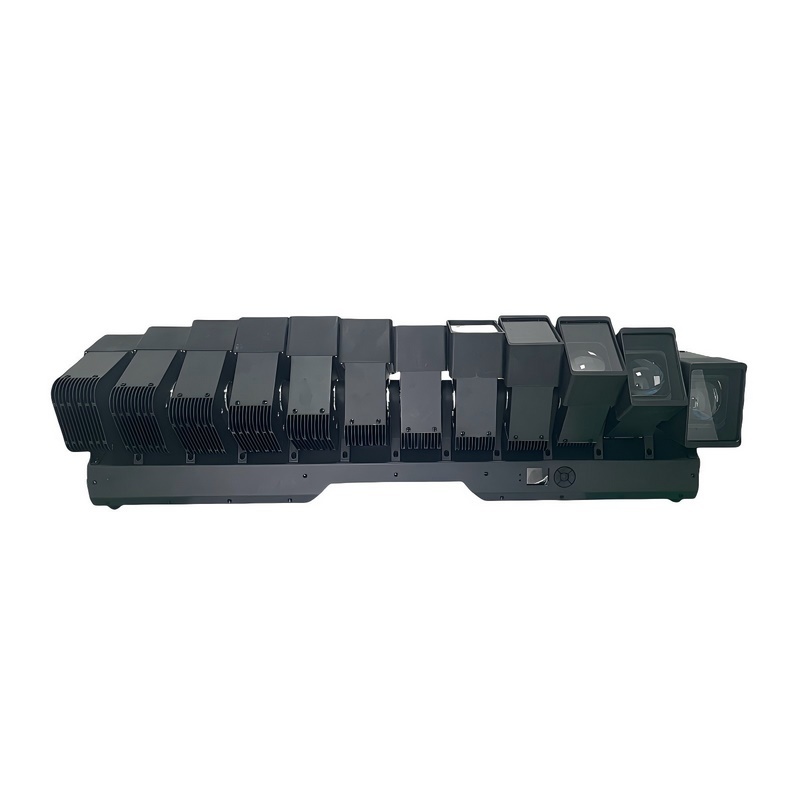
Tips for Using Professional DJ Beam Lights
Here are some expert tips on how to get the most out of your professional DJ beam lights:
- Use Fog or Haze: Beam lights are best experienced with some atmospheric conditions like fog or haze. This enhances the visibility of the light beams, creating a more dramatic and captivating effect.
- Program Your Lights: If your beam lights support DMX, take advantage of pre-programmed light shows or create custom ones that synchronize with your music.
- Adjust Your Placement: The positioning of your lights can significantly affect the overall impact. Try experimenting with angles and distances to find the perfect setup for your venue.
- Focus on Timing: Great lighting is all about timing. Make sure your lighting effects sync up with key moments in your performance, such as beat drops or tempo changes.
Conclusion
Investing in professional DJ beam lights can transform your performance by adding visual drama and excitement. These lights provide more than just illumination—they are a tool to enhance the overall atmosphere and energy of the event. Whether you’re a seasoned DJ or just starting, beam lights offer flexibility, intensity, and dynamic effects that can elevate your stage presence to a whole new level.
FAQs
1. Can I use beam lights for small DJ setups?
Yes! Beam lights work well in small clubs and larger venues alike. For smaller setups, single-beam lights can create focused effects without overpowering the space.
2. Do I need a DMX controller for beam lights?
Not necessarily, but having a DMX controller allows for greater flexibility and customization of your lighting effects.
3. What’s the difference between beams and spotlights?
Beam lights have a much narrower beam angle compared to spotlights, making them more focused and intense.
4. How can I sync my lights with music?
Most beam lights come with sound-activated modes or can be controlled via DMX to sync with your music for a coordinated show.
5. Are LED beam lights better than traditional discharge lamps?
LED beam lights are more energy-efficient and last longer, while discharge lamps often provide brighter beams. It depends on your specific needs and venue size.
More Cases


Online Message
Quick Links
Contact Information
Address: A8 Building Meiwang Industrial Park, Guangtang south street, Huadu District,Guangzhou, China.
Phone: +86 158 1889 3706
WhatsApp:+86 158 1889 3706