
Disco Dance Floor: A Practical Buying Guide
Classification:
summary description]
A disco dance floor can become part of the lighting design, not just a surface for dancing. Modern floors are used in nightclubs, weddings, bars, hotels, concerts, and event rentals. LED models can display colors, patterns, and moving effects, while some also support DMX control.
But appearance is only one part of the decision. Before buying, you need to consider how the floor will actually be used.
What Types of Disco Dance Floors Are Available?
Traditional disco floors usually offer simple illuminated or reflective designs. They work well for retro-style venues and events.
An LED disco dance floor provides more control. Depending on the model, you can change colors, patterns, brightness, and effects. DMX-compatible versions can also work with moving heads, strobes, lasers, and other stage lights.
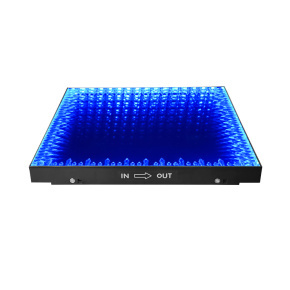
For a stronger visual effect, some floors use an infinity mirror structure. LEDs and reflective layers create an illusion of depth beneath the floor, making this design popular in nightclubs and premium events.
How Do You Choose the Right Size?
Do not calculate the floor size only from the total number of guests. A 200-person wedding may have far fewer people dancing at one time.
Consider the expected number of dancers, venue layout, tables, DJ equipment, stage space, and walkways.
For rental businesses, modular panels are useful because the same inventory can be arranged into different floor sizes.
What Specifications Matter?
Load capacity should be checked first. Ask whether the rating applies per panel or per square meter, and whether it covers distributed or point loads.
The surface material also matters. It needs to handle regular foot traffic, shoes, spills, transportation, and repeated installation.
Check slip resistance, especially for bars and wedding venues.
If outdoor use is planned, ask for the actual IP rating rather than relying on the word "waterproof."
Finally, check the control system. A simple event may only need a standalone controller. A nightclub or professional production may benefit from DMX512 or Art-Net.

Buy or Rent?
Renting is practical for occasional events because you avoid long-term storage and maintenance.
Buying may make more sense for nightclubs, event companies, and rental businesses that use the floor regularly.
Do not compare suppliers by equipment price alone. Include transportation, installation labor, storage, maintenance, and replacement parts when calculating the total cost.
How to Choose a Supplier
Ask for complete specifications, installation instructions, warranty terms, spare-parts availability, packaging details, and real project photos.
For a large order, testing a sample panel can reveal details that a catalog cannot show, such as surface quality, brightness, connection strength, and setup time.
A good disco dance floor should look right, but it also needs to match your venue, withstand its intended use, and remain practical to install and maintain.
Previous Page
More Cases


Online Message
Quick Links
Contact Information
Address: A8 Building Meiwang Industrial Park, Guangtang south street, Huadu District,Guangzhou, China.
Phone: +86 158 1889 3706
WhatsApp:+86 158 1889 3706