
Tornado Lighting Fixture for Stage & Club Lighting
Classification:
summary description]
When planning a lighting system for a nightclub, live show, or entertainment venue, the right fixture can completely change the way people experience the space.
Many buyers search for a tornado lighting fixture because they are looking for something more dynamic than traditional stage lights. A standard wash light can provide brightness, but it cannot always create the movement and atmosphere needed for modern entertainment spaces.
A tornado lighting fixture is designed to bring motion, energy, and visual depth to a lighting design. But before choosing one, buyers need to understand how this type of fixture works, where it performs best, and what specifications actually matter.
This guide will help you make a better decision before purchasing a tornado lighting fixture.
What Is a Tornado Lighting Fixture?
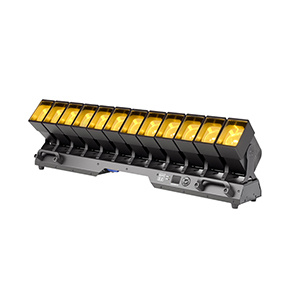
A tornado lighting fixture is a dynamic effect lighting device that creates rotating and swirling light patterns similar to the shape of a tornado.
Unlike traditional static lights, it uses moving light sources, rotating components, or special optical structures to produce constantly changing effects. The result is a three-dimensional visual experience that can make a venue feel more immersive.
Tornado lighting fixtures are commonly installed in:
- Nightclubs and DJ venues
- Concert stages
- Live performance spaces
- Event halls
- Theme parks
- Entertainment centers
For projects that require strong visual impact, this type of lighting can become one of the key elements of the entire atmosphere.
How Does a Tornado Lighting Fixture Work?
Although different manufacturers use different designs, most tornado lighting fixtures rely on several core technologies.
LED Light Source
Most modern tornado fixtures use high-efficiency LED technology.
Compared with traditional lighting sources, LED systems offer several advantages:
- Lower power consumption
- Longer working lifespan
- Faster response speed
- More flexible color control
RGB and RGBW LED configurations are especially popular because they allow designers to create different color effects without changing physical filters.
Rotating Effect Mechanism
The biggest difference between a tornado lighting fixture and ordinary effect lights is movement.
The internal motor system creates continuous rotation, allowing the fixture to produce:
- Spiral lighting effects
- Rotating beams
- Dynamic color changes
- Layered visual patterns
This movement works particularly well with music because the lighting can be programmed to match different scenes and performance styles.

DMX Control Capability
For professional applications, DMX control is almost always required.
A DMX-compatible tornado lighting fixture allows users to control:
- Color selection
- Brightness
- Rotation speed
- Lighting programs
- Multiple fixtures together
This makes it easier for lighting designers to integrate tornado effects into a complete stage lighting system.
Why Are Tornado Lighting Fixtures Popular?
The main reason buyers choose tornado lighting fixtures is simple: they create effects that traditional fixtures cannot easily achieve.
Stronger Atmosphere Creation
A nightclub or event space is not only about illumination. The lighting needs to create emotion and guide the audience’s attention.
A tornado lighting fixture can fill empty spaces with moving effects, making the environment feel more active and engaging.
This is why many DJs, clubs, and event companies use dynamic effect lighting as part of their main visual design.

Flexible Installation Options
Tornado lighting fixtures are suitable for different types of projects.
For smaller venues, a few units can create a noticeable visual upgrade.
For larger productions, multiple fixtures can be installed together to create a more powerful effect across the entire stage or ceiling area.
The final result depends on the venue layout, installation position, and lighting design.
More Effects From One Fixture
Many buyers want to reduce the number of lighting devices while still achieving professional results.
A tornado lighting fixture combines movement and color effects in one unit, which can simplify the lighting setup.
This is especially useful for:
- Rental companies
- Mobile event teams
- Small entertainment venues
How to Choose a Tornado Lighting Fixture?
Choosing the right fixture requires more than checking the product appearance. Several technical factors directly affect the final performance.
Consider the Brightness and Coverage
The required brightness depends on where the fixture will be installed.
A small bar may only need compact effect lighting, while a large stage requires stronger output and wider coverage.
Before purchasing, consider:
- Venue size
- Installation height
- Viewing distance
- Ambient lighting conditions
Check Control Options
If the lighting system already uses a DMX console, make sure the tornado lighting fixture can be connected easily.
Useful control modes include:
- DMX512
- Auto mode
- Sound activation mode
- Enslaver/slave mode
Professional control options give designers more freedom during shows.
Pay Attention to Reliability
Entertainment lighting equipment often works for long hours, especially in clubs and rental applications.
A reliable tornado lighting fixture should have:
- Stable motors
- Good heat management
- Durable housing
- Quality electronic components
Choosing only based on the lowest price may lead to higher maintenance costs later.
Tornado Lighting Fixture vs Moving Head Light
Customers often compare tornado lighting fixtures with moving head lights because both create dynamic effects.
However, they serve different purposes.
Tornado Lighting Fixture
Best for:
- Creating atmosphere
- Adding visual effects
- Decorative lighting installations
- Entertainment spaces
Moving Head Light
Best for:
- Stage illumination
- Accurate beam positioning
- Concert performances
- Professional lighting programming
Many professional projects use both together. Moving heads handle precise lighting tasks, while tornado fixtures add movement and visual excitement.
Where Are Tornado Lighting Fixtures Used?
Nightclubs and Bars
Nightlife venues need lighting that keeps the audience engaged.
Tornado lighting fixtures can create:
- Moving dance floor effects
- Color transitions
- Dynamic backgrounds
They work especially well with DJ performances and electronic music environments.
Concerts and Stage Shows
For concerts and live performances, visual effects are just as important as sound.
Tornado lighting fixtures can be combined with:
- Moving head lights
- Laser systems
- Fog machines
- LED screens
Together, these products create a more complete stage experience.
Event Production
Wedding planners and event companies often choose effect lighting because it can quickly transform ordinary venues.
A well-positioned tornado lighting fixture can create a memorable entrance, stage background, or party atmosphere.
Frequently Asked Questions
Is a tornado lighting fixture suitable for small venues?
Yes. Small clubs and bars can use compact tornado lighting fixtures to enhance atmosphere without installing a complicated lighting system.
Can DMX control tornado lighting fixtures?
Most professional models support DMX512 control and can be connected with other stage lighting equipment.
How long do LED tornado lighting fixtures last?
The lifespan depends on the LED components, cooling system, and operating environment. High-quality LED fixtures can provide years of reliable performance when properly maintained.
How many tornado lighting fixtures are needed for a project?
There is no fixed number. The quantity depends on venue size, installation location, and the desired visual effect.
A lighting supplier can usually recommend the right quantity after reviewing the project requirements.
Final Thoughts
A tornado lighting fixture is a practical choice for venues that need more than basic illumination.
It adds movement, depth, and energy to entertainment spaces while remaining flexible for different applications. Whether you are upgrading a nightclub, designing a stage, or preparing an event project, choosing the right fixture can significantly improve the final visual result.
When comparing products, focus on effect quality, control compatibility, durability, and supplier experience. The right lighting equipment should not only look impressive during the first show but also perform reliably over time.
Previous Page
More Cases


Online Message
Quick Links
Contact Information
Address: A8 Building Meiwang Industrial Park, Guangtang south street, Huadu District,Guangzhou, China.
Phone: +86 158 1889 3706
WhatsApp:+86 158 1889 3706