
LED Follow Spot: Complete Buying Guide for Stage Lighting
Classification:
summary description]
Walk into any concert or theater, and you'll notice something almost instantly. No matter how complex the stage lighting is, your eyes are naturally drawn to the performer. That isn't just good lighting design—it's the result of a well-operated follow spot.
For venues, production companies, rental businesses, and event organizers, choosing the right LED follow spot isn't simply about buying another lighting fixture. It's about making sure the audience never loses sight of the person who matters most on stage.
The market offers hundreds of models with different wattages, beam angles, and optical systems. On paper, they may look similar, yet their performance can vary dramatically in real-world applications. This guide breaks down the factors that actually influence performance so you can choose equipment that suits your venue rather than relying on specifications alone.
What Is an LED Follow Spot?
An LED follow spot is a manually operated spotlight designed to keep a performer illuminated while they move around the stage.
Unlike moving head fixtures that follow pre-programmed cues, a follow spot is controlled by an operator in real time. Every movement, every zoom adjustment, and every change in intensity is made by hand. That human control is exactly why follow spots remain indispensable in theaters, concerts, and live broadcasts.
Today, most professional venues have shifted to LED models. Compared with older halogen or discharge-lamp units, they consume less power, generate less heat, and require far less maintenance. For venues running shows several nights a week, those advantages quickly become noticeable in both operating costs and reliability.
Why More Venues Are Switching to LED Follow Spots
A decade ago, traditional follow spots were still common. They produced impressive brightness, but they also came with a long list of compromises.
Bulbs needed regular replacement. Heat output was substantial. Cooling fans were louder, and electricity costs were much higher.
LED technology has changed that.
Modern LED follow spots reach full brightness almost instantly, consume significantly less power, and can operate for years before the light source requires attention. For rental companies, that means fewer service calls. For theaters, it means fewer interruptions during busy performance seasons.
Perhaps the biggest advantage isn't brightness at all—it's consistency. Audiences don't notice when lighting works perfectly. They notice when it doesn't.
How Does an LED Follow Spot Work?
Despite advances in automated lighting, follow spots still rely on one thing that technology hasn't replaced: an experienced operator.
Throughout a performance, the operator continuously tracks the performer while adjusting beam size, focus, iris, dimming, and color filters as the scene changes.
This level of manual control is difficult to duplicate with automated fixtures. A singer who suddenly walks to the edge of the stage or an actor who changes direction unexpectedly can still be followed smoothly without waiting for programmed movements to catch up.
That's one reason major concerts continue to use follow spots alongside sophisticated automated lighting systems.
What Really Matters When Choosing an LED Follow Spot?
Many buyers compare only one specification: wattage.
It's understandable—but it's also one of the easiest ways to buy the wrong fixture.
Brightness depends on much more than the number printed on the specification sheet. Lens quality, optical efficiency, LED performance, and beam angle all influence how much usable light actually reaches the performer.
A well-designed 600W follow spot can outperform a poorly designed 1000W model under certain conditions.
Instead of asking, "How many watts do I need?" start by asking, "How far away will the fixture be from the stage?"
That single question usually narrows the options much faster.
Consider the Throw Distance First
One of the most common purchasing mistakes is ignoring installation distance.
Imagine installing a follow spot at the rear of a 60-meter auditorium, only to discover that the beam loses intensity halfway to the stage. At that point, replacing the fixture becomes far more expensive than selecting the correct model in the beginning.
Measure the distance from the operator position to the center of the stage before comparing products.
It's a simple step, but one many first-time buyers overlook.
Beam Angle Changes Everything
Two follow spots with identical power ratings can produce completely different visual results.
A narrow beam concentrates more light over a smaller area, making it ideal for long-distance projection.
A wider beam spreads light more evenly, which works well when performers move frequently or when multiple people need to remain illuminated.
If your venue hosts different types of events throughout the year, an adjustable zoom system offers much greater flexibility than a fixed beam angle.
Don't Ignore Color Quality
Brightness attracts attention, but color quality shapes the audience's experience.
Poor color rendering can make skin tones appear unnatural, especially during live broadcasts or professional photography.
High-quality LED follow spots maintain stable color temperature throughout the dimming range and produce consistent white light from the beginning of a performance to the final curtain.
That's one of those details people rarely notice—until it's missing.
LED Follow Spot or Moving Head Spot?
This question appears surprisingly often.
The short answer?
Neither replaces the other.
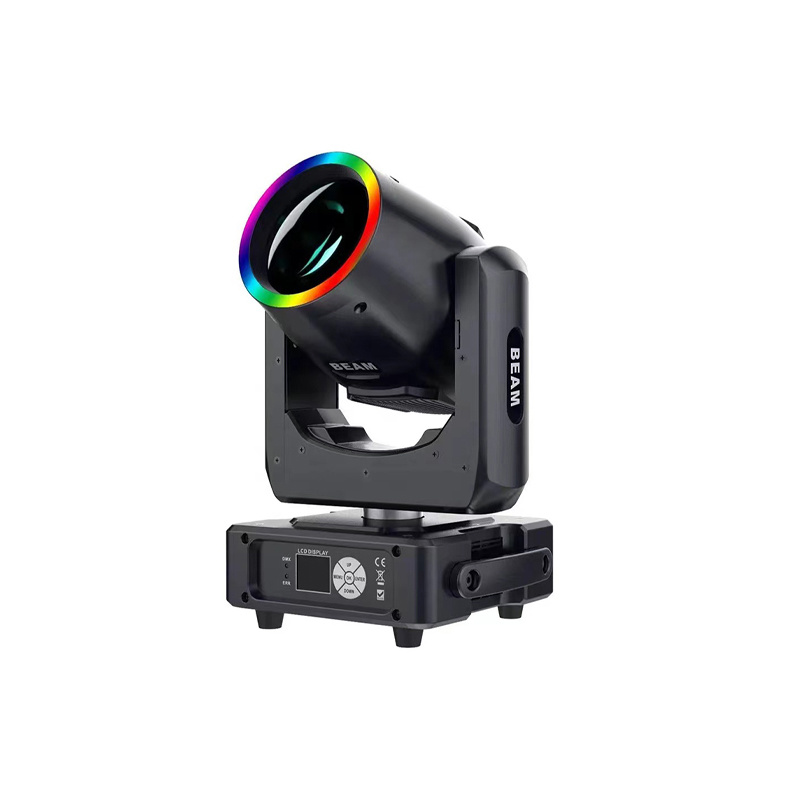
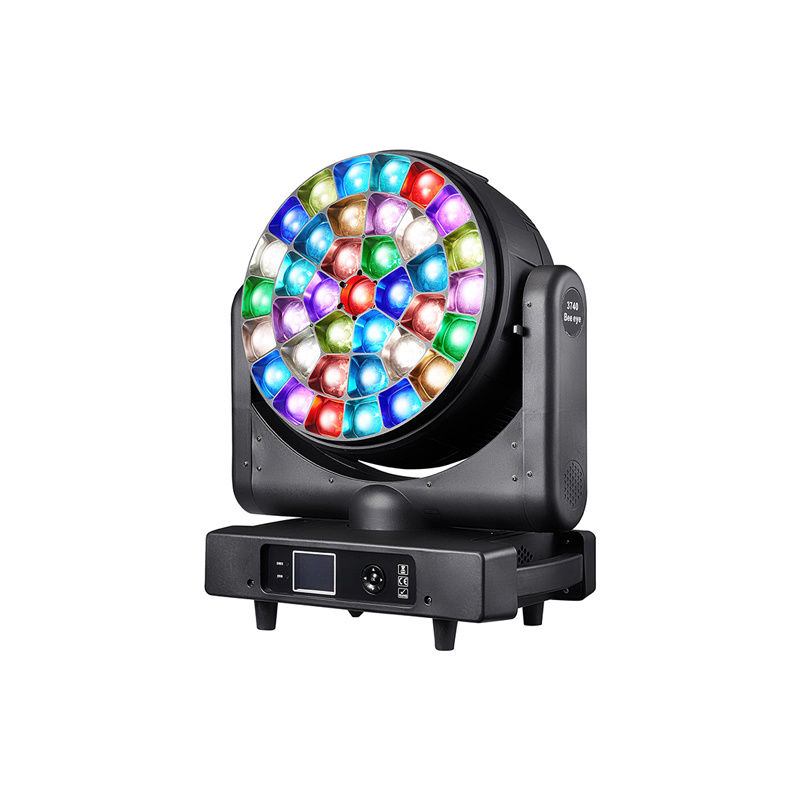
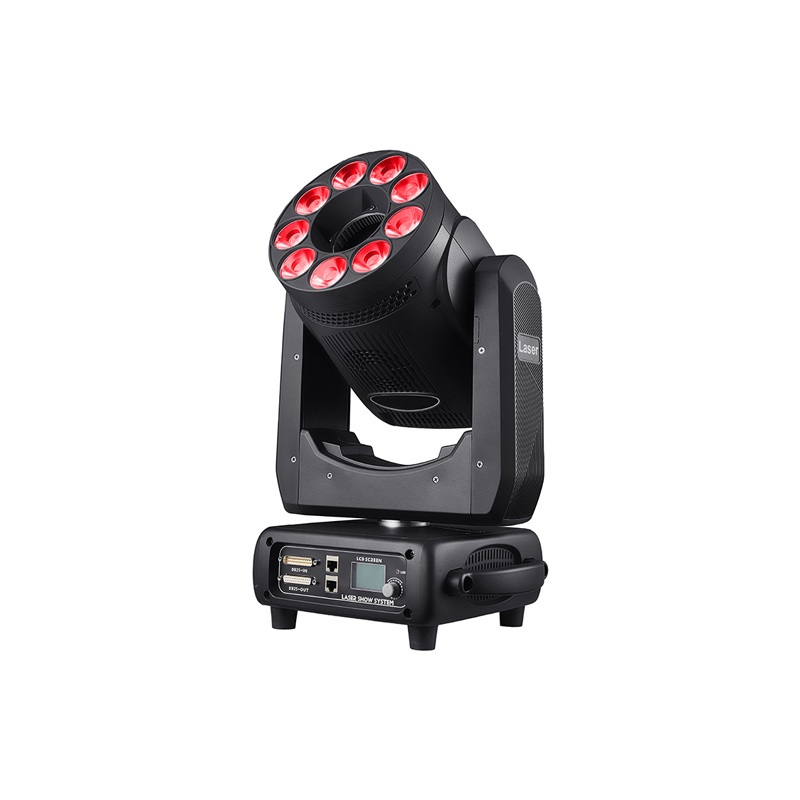
Moving head fixtures create dynamic aerial effects, sweeping beams, and synchronized lighting sequences. They're excellent at building atmosphere.
A follow spot has a different responsibility. Its job is simple: keep the audience focused on the performer.
Large productions rarely choose between them. They use both.
One creates excitement.
The other keeps the story clear.
Mistakes That Cost Buyers Money
Buying the brightest fixture isn't always the smartest decision.
Overpowered equipment installed in a small theater often produces excessive glare and wastes energy.
The opposite is equally problematic. Choosing a lower-powered fixture for a large concert hall usually leads to disappointing brightness and an expensive upgrade later.
Other mistakes are less obvious.
Some buyers forget to ask whether replacement parts are available locally. Others compare only purchase prices while overlooking maintenance costs over the next five years.
A slightly more expensive fixture backed by reliable technical support often turns out to be the better investment.
Simple Maintenance Makes a Big Difference
Even premium lighting equipment performs poorly if it's neglected.
Dust gradually reduces optical efficiency, blocked ventilation raises operating temperatures, and damaged cables create unnecessary safety risks.
Fortunately, routine maintenance is straightforward.
Clean the lenses regularly. Inspect cooling fans. Store the fixture in a dry environment, and transport it in a proper flight case whenever possible.
These habits take very little time but can significantly extend the working life of the equipment.
Frequently Asked Questions
Is a higher wattage always better?
Not necessarily. Optical design and beam angle often have just as much impact on usable brightness as LED power.
Can LED follow spots be used for outdoor events?
Yes, but only if the fixture is designed for outdoor use or protected from weather conditions.
How many follow spots does a concert need?
That depends on the size of the venue and the complexity of the performance. Small stages may only require one operator, while larger productions frequently use two or more to ensure uninterrupted coverage.
Are LED follow spots suitable for television production?
Absolutely. High-quality models provide stable color temperature and flicker-free performance, making them well suited for live broadcasting and video recording.
Choosing the Right Supplier Matters
The product itself is only part of the decision.
Reliable manufacturers do more than publish specifications—they help customers select the right fixture based on venue dimensions, throw distance, and application requirements.
Before placing an order, ask practical questions.
Can replacement parts be supplied quickly?
Is technical support available after delivery?
Has the manufacturer worked on projects similar to yours?
Clear answers to these questions often reveal far more about a supplier than a specification sheet ever could.
Final Thoughts
An LED follow spot isn't the most complicated fixture in a lighting system, but it is often one of the most visible. When it performs well, the audience hardly notices it. Their attention stays exactly where it belongs—on the performance itself.
Choosing the right model means looking beyond wattage and considering how the fixture will be used in the real world. Venue size, throw distance, optical quality, maintenance requirements, and long-term reliability all play a role.
Previous Page
More Cases


Online Message
Quick Links
Contact Information
Address: A8 Building Meiwang Industrial Park, Guangtang south street, Huadu District,Guangzhou, China.
Phone: +86 158 1889 3706
WhatsApp:+86 158 1889 3706