
Best Night Club Lights: Ultimate Guide to LED, Strobe & Laser Lights
Classification:
summary description]
Introduction
What makes a nightclub genuinely unforgettable? It’s not just the music or the drinks—it’s the atmosphere. And at the heart of that atmosphere is lighting. The right night club lights don't just illuminate the space; they set the mood, energize the crowd, and turn an ordinary night out into an extraordinary experience.
Whether you're opening a new club, upgrading an existing setup, or simply exploring the latest lighting trends, this guide will walk you through everything you need to know. From LED moving heads to laser beams, let’s dive into the world of nightclub lighting.
Why Lighting Is the Soul of a Nightclub
A dark, lifeless venue won’t inspire anyone to dance. But a space filled with pulsating lights, dynamic color shifts, and perfectly timed effects? That’s where the magic happens. Lighting creates emotion, builds anticipation, and makes a nightclub feel alive.
What High-Quality Night Club Lights Can Do for Your Venue
- Set the mood: Soft washes of color create an intimate atmosphere, while sharp beams add energy.
- Keep guests engaged: People respond to visual stimulation—flashing strobes, moving lights and synchronized effects make the dance floor irresistible.
- Enhance the music: Lighting that changes in sync with the beat amplifies the intensity of the experience.
- Boost social media appeal: A visually stunning club encourages guests to take photos and videos, generating organic marketing for your brand.
Types of Night Club Lights and How to Use Them
Not all lights are created equal. Some are best for creating ambiance, while others bring high-energy excitement. Here’s a breakdown of the top nightclub lighting options and how to use them effectively.
1. LED Moving Head Lights – The Workhorse of Nightclub Lighting
LED moving heads are a staple in modern clubs. These versatile lights rotate, change colors, and project different patterns, creating dynamic movement across the dance floor. They’re ideal for highlighting DJs, performers, or specific areas of the club.
How to use them:
- Position them around the dance floor for sweeping light effects.
- Sync them with music for an immersive experience.
- Use gobos and prisms to create unique patterns and textures.

2. Strobe Lights – The Pulse of the Party
Strobe lights create an intense, high-energy effect by flashing rapidly. They give the illusion of stop-motion movement, which adds excitement to fast-paced music.
Best applications:
- Drop them during peak moments of a DJ set to heighten the energy.
- Combine with fog machines for a dramatic effect.
- Use sparingly—too much strobe can overwhelm the crowd.
3. Laser Lights – The Futuristic Touch
Lasers are a game-changer. These powerful, concentrated beams can create intricate patterns, animations, and even text displays. When paired with haze or fog, they create mesmerizing 3D effects that fill the entire space.
Pro tips:
- Use green and blue lasers for a deep, immersive look.
- Combine with music control software for perfect synchronization.
- Ensure proper safety measures—lasers should never be pointed directly at people’s eyes.
4. LED Par Lights – The Mood Setters
Par lights (short for parabolic aluminized reflectors) are essential for ambient lighting. They can wash walls, ceilings, or floors with vibrant colors, setting the foundation for the nightclub’s overall mood.
How to use them effectively:
- Warm tones (red, amber) create an intimate lounge vibe.
- Cool tones (blue, purple) add a futuristic or high-energy feel.
- Position them strategically to highlight architecture or decor.
5. Kinetic Lights – The Next-Level Experience
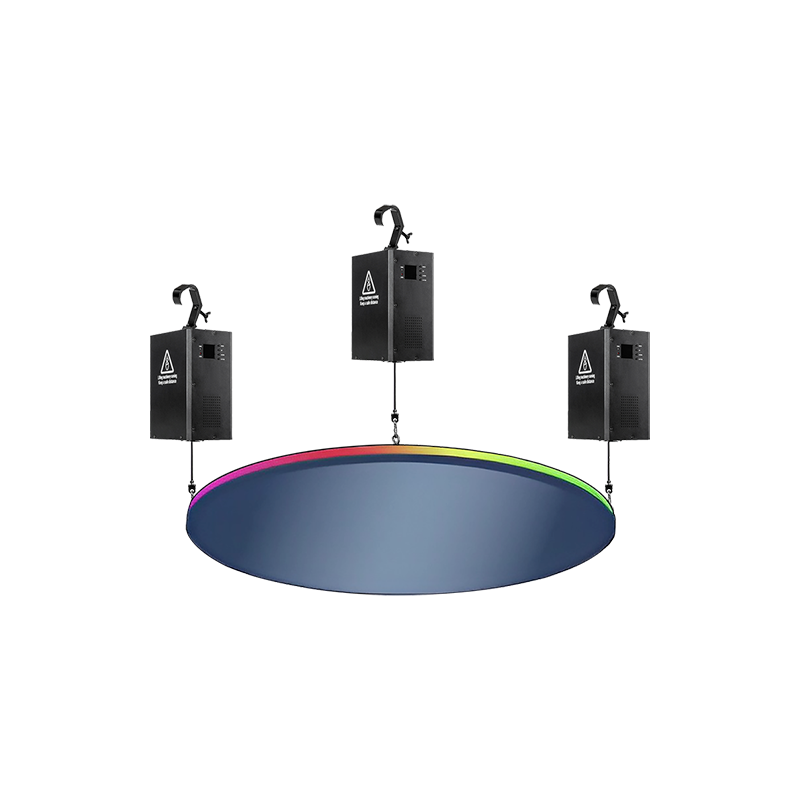
Kinetic lights move up and down, adding an entirely new dimension to nightclub visuals. They can create waves of motion across a venue, offering an immersive, ever-changing atmosphere.
Best for:
- High-end clubs looking for a premium visual effect.
- Special performances or VIP areas.
- Pairing with DMX controllers for real-time control.
How to Choose the Right Lighting for Your Nightclub
Every nightclub has its personality. The proper lighting setup depends on the type of venue, the music played, and the experience you want to create. Here’s what to consider:
1. Match the Lighting to Your Music Genre
Different lighting styles suit different types of music.
- EDM & Techno Clubs – Fast-moving lights, lasers, strobes.
- Hip-Hop & R&B Lounges – Warm-toned LED washes, soft spotlights.
- Live Music Venues – Dynamic stage lighting, focused beams on performers.
2. Balance Energy and Ambiance
Too many bright lights can be overwhelming, while too little makes a club feel dull. The key is contrast—create dark spots to let lights stand out and use layered lighting to add depth.
3. Invest in DMX Control for Full Customization
A DMX lighting system allows you to program and control all your lights from one interface. You can synchronize lighting effects with music, change colors instantly, and create seamless transitions throughout the night.
4. Go Energy-Efficient Without Compromising Style
Modern LED nightclub lights consume less power while offering better performance than traditional bulbs. Investing in high-quality LED fixtures will save on electricity costs in the long run while keeping your venue looking sharp.
Final Thoughts
Great lighting isn’t just decoration—it’s an experience. Whether you’re aiming for a high-energy dance floor, a sophisticated lounge vibe, or something in between, your night club lights define the atmosphere of your venue.
By choosing the right mix of moving heads, strobes, lasers, and ambient lights, you’ll create an unforgettable environment that keeps guests coming back. And with the proper control systems, you can take your lighting game to the next level—seamlessly matching visuals with music for a truly immersive experience.
FAQs
1. How many lights does a nightclub need?
It depends on the size of the venue. A small club may need around 10-20 fixtures, while a more prominent venue could require 50+ for full coverage.
2. What's the best way to sync lights with music?
Using a DMX controller or lighting software like Madrix or SoundSwitch, you can program lights to react to beats in real time.
3. Can nightclub lights be automated?
Yes, many modern lighting systems come with automation features, allowing you to pre-set sequences and let them run throughout the night.
4. Are LED nightclub lights worth the investment?
Absolutely. LEDs last longer, use less power, and offer more color and control options compared to traditional lighting.
5. What's the best lighting setup for VIP areas?
Soft, elegant lighting works best—consider warm-toned LED washes, kinetic lights, or subtle spotlights to create an upscale feel.
Previous Page
More Cases


Online Message
Quick Links
Contact Information
Address: A8 Building Meiwang Industrial Park, Guangtang south street, Huadu District,Guangzhou, China.
Phone: +86 158 1889 3706
WhatsApp:+86 158 1889 3706