
The Future of Stage Lighting: Kinetic Lights Explained
Classification:
summary description]
Introduction
Stage lighting has come a long way, but kinetic lights are taking things to a whole new level. Unlike traditional static lights, these fixtures don’t just illuminate a space—they move, transform, and react in real time. Whether in concerts, nightclubs, or large-scale events, kinetic lighting creates an immersive experience that captivates audiences.
So, what makes kinetic lights so unique? Why are they becoming an essential tool for lighting designers? Let's dive in and explore their features, applications, and the impact they have on modern stage productions.
What Are Kinetic Lights?
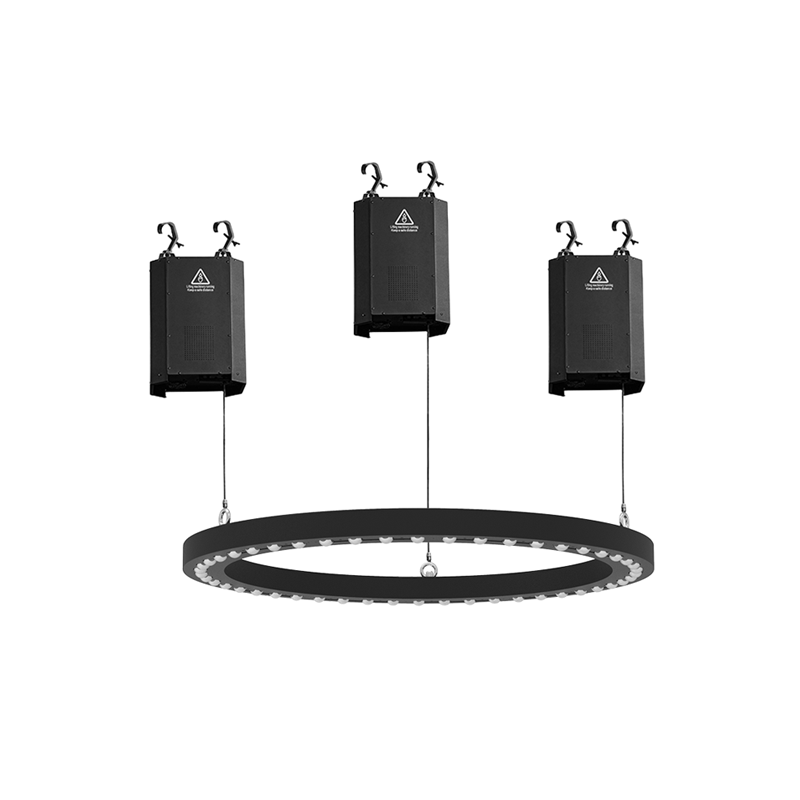
Kinetic lights are lighting fixtures equipped with motorized movement, allowing them to shift positions, change angles, and even synchronize with music or performance cues. Typically controlled via DMX or RDM systems, these lights can be lifted, rotated, or arranged in elaborate choreographed sequences.
Key Features of Kinetic Lights
- Dynamic Motion – Unlike traditional lights, kinetic lights introduce vertical and horizontal movement, adding a three-dimensional layer to visual presentations.
- Precision Control – Using DMX and RDM protocols, lighting designers can program highly detailed sequences with precise timing.
- Customizable Effects – Whether creating smooth, elegant transitions or rapid, energetic movements, kinetic lights adapt to various moods and themes.
- Energy-Efficient LED Technology – Most kinetic lights incorporate LED fixtures, ensuring lower power consumption and extended durability.
Where Are Kinetic Lights Used?
The versatility of kinetic lighting makes it a go-to choice for numerous applications. Some of the most common uses include:
1. Concerts & Music Festivals
Live performances thrive on the atmosphere, and kinetic lights help create breathtaking visual effects. By moving in sync with beats and melodies, these lights enhance the emotional connection between the artist and the audience. From slow-moving waves of light to pulsating, high-energy patterns, the possibilities are endless.
2. Nightclubs & Entertainment Venues
A club's lighting defines its energy. Kinetic lights introduce an element of unpredictability, keeping the dance floor alive. With shifting LED spheres, dynamic tubes, and color-changing patterns, clubs can continuously reinvent their ambiance, ensuring a fresh experience for returning guests.
3. Corporate Events & Product Launches
High-profile events demand sophisticated lighting, and kinetic fixtures deliver just that. Whether unveiling a new product, emphasizing brand identity, or setting the tone for a corporate presentation, kinetic lights create an engaging and memorable atmosphere.
4. Architectural Lighting & Art Installations
Buildings and public spaces are no longer limited to static lighting designs. Kinetic lights introduce movement, transforming structures into living, breathing works of art. Interactive facades and large-scale light displays now blend architecture with technology in stunning ways.
5. Theatrical Productions & TV Shows
In theater and television, lighting plays a crucial role in storytelling. Kinetic lights add depth, motion, and drama, allowing set designers to craft dynamic, visually compelling environments that enhance the narrative.

Why Kinetic Lights Are Reshaping the Industry
Lighting design has always been about innovation, and kinetic lights represent the next big leap. What sets them apart from traditional lighting solutions? Let's break it down:
- Enhanced Audience Engagement – Moving lights command attention. They create fluid, evolving visuals that hold the audience’s focus.
- Limitless Creativity – Designers have unprecedented control over motion, color, and effects, allowing for unique, customized experiences.
- Scalability – From small club setups to massive stadium shows, kinetic lighting systems can be adapted to different environments and budgets.
- Seamless Integration – These lights work seamlessly with modern control systems, syncing with music, video, and live performances for a cohesive production.
Choosing the Right Kinetic Lighting System
If you're considering incorporating kinetic lights into your next event or venue, here are a few factors to keep in mind:
- Fixture Type – Options range from kinetic LED balls to tubes, panels, and fully customized moving elements.
- Control Compatibility – Ensure your lighting system supports DMX, RDM, or other automation protocols for smooth operation.
- Installation Logistics – Evaluate ceiling height, rigging capabilities, and space requirements to determine the best configuration.
- Maintenance & Longevity – Investing in high-quality kinetic lighting minimizes the need for frequent repairs and replacements.
Conclusion
Kinetic lights are more than just a trend—they're shaping the future of stage and architectural lighting. Their ability to combine motion, color, and synchronization makes them an essential tool for lighting professionals looking to push creative boundaries.
As technology continues to evolve, we can expect even more advanced kinetic lighting solutions that offer greater precision, automation, and artistic potential. Whether you're planning a concert, launching a product, or designing a large-scale art installation, kinetic lights provide the innovation needed to create unforgettable experiences.
FAQs
1. What makes kinetic lights different from traditional stage lighting?
Kinetic lights move, rotate, and shift positions, offering a dynamic visual experience that static lights cannot achieve.
2. Can kinetic lights be programmed to sync with music?
Absolutely. Using DMX and other control systems, kinetic lights can move in perfect harmony with music beats and rhythms.
3. Are kinetic lighting systems challenging to install?
While they require proper rigging and programming, professional technicians can set them up efficiently for various venues.
4. Where can kinetic lights be used?
They're commonly found in concerts, nightclubs, corporate events, exhibitions, and even architectural lighting projects.
5. Do kinetic lights consume a lot of power?
Not at all. Most kinetic lighting fixtures use energy-efficient LEDs, ensuring long-term cost savings and sustainability.
Looking to integrate kinetic lights into your next project? The future of lighting design is here—don't miss out.
More Cases


Online Message
Quick Links
Contact Information
Address: A8 Building Meiwang Industrial Park, Guangtang south street, Huadu District,Guangzhou, China.
Phone: +86 158 1889 3706
WhatsApp:+86 158 1889 3706