
Kinetic Lighting: Transforming Stage & Event Design
Classification:
summary description]
Introduction
Lighting can make or break an event. It sets the mood, enhances performances, and captivates audiences. But what if lighting could do more than illuminate a space? That’s where kinetic lighting comes in. Unlike traditional stage lighting, kinetic lighting isn’t static—it moves, changes color, and synchronizes with music or programmed sequences. It’s revolutionizing concerts, theaters, nightclubs, and high-end events, turning ordinary productions into immersive experiences.
What Is Kinetic Lighting?
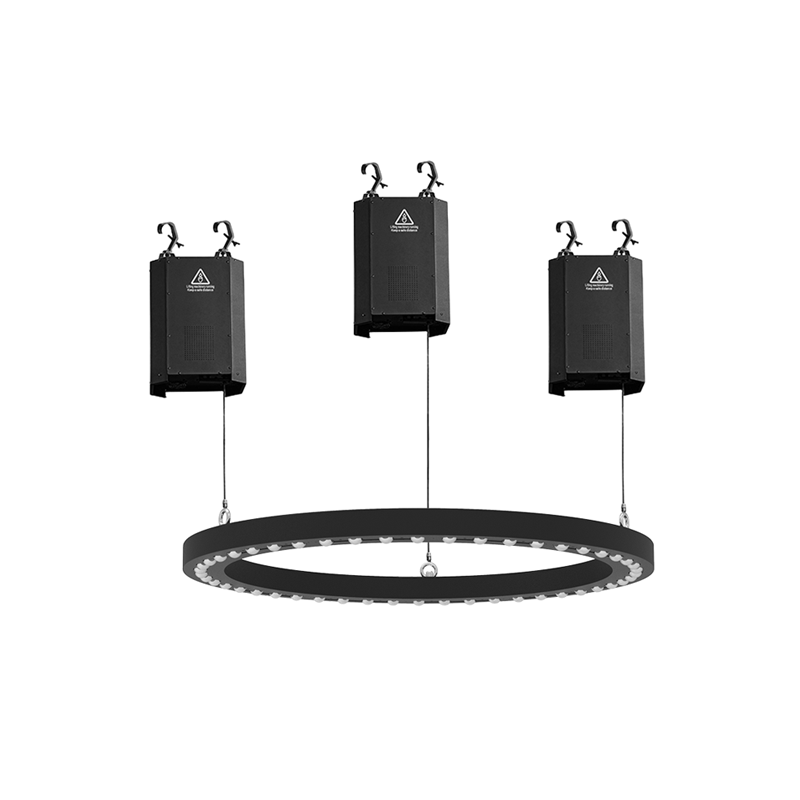
At its core, kinetic lighting is a dynamic system where lights are motorized, allowing them to rise, fall, rotate, or shift position in real-time. These movements are controlled via DMX512 protocols, ensuring seamless synchronization with sound, video, and performance elements.
Instead of simply pointing a beam in one direction, kinetic lighting adds depth and motion, transforming the entire visual atmosphere. Whether it’s an EDM festival with moving LED spheres or a theater show where light tubes float gracefully above the stage, this technology pushes creative boundaries like never before.
Key Features of Kinetic Lighting
- Motorized Winches – Lights ascend, descend, and move freely in the air.
- Advanced Control Systems – DMX, Art-Net, and remote programming allow real-time adjustments.
- Dynamic Color Transitions – LED-based fixtures deliver smooth, vibrant color shifts.
- Beat Synchronization – Perfect for concerts and clubs where lighting follows the rhythm.
- Customizable Patterns – Lighting designers can pre-program sequences or control effects live.
Why Kinetic Lighting Is Transforming Events
1. Creates a Fully Immersive Experience
Lighting isn’t just about brightness—it’s about storytelling. Kinetic lighting engages the audience in a way that traditional setups simply can’t. The ability to move lights in sync with music or action draws people in, making performances more captivating.
2. Adapts to Any Event Style
From high-energy festivals to elegant corporate galas, kinetic lighting fits any setting. It can be subtle and sophisticated or bold and dramatic. This versatility makes it a favorite among event planners and lighting designers.

3. Boosts Social Media Engagement
In today’s digital world, Instagram-worthy visuals matter. A stunning kinetic lighting display encourages guests to snap photos and share videos, giving events free publicity. The more visually appealing the setup, the more exposure it gets.
4. Energy-Efficient and Cost-Effective
Most kinetic lighting systems rely on LED technology, which consumes less power than traditional lighting. Plus, automated programming reduces labor costs, as fewer manual adjustments are needed during an event.
Where Kinetic Lighting Shines Best
Concerts and Festivals
Picture a music festival where LED spheres rise and fall in sync with the bass drop. Or a rock concert where moving beams follow the guitar solo. Kinetic lighting turns music into a visual spectacle, making every beat come alive.
Theatrical Productions and Dance Performances
In theater and dance, lighting is an essential storytelling tool. Floating light tubes, shifting colors, and dynamic movements can set the scene, highlight performers, and create dramatic effects that elevate the production.
Nightclubs and Entertainment Venues
Club lighting is all about energy. With kinetic systems, beams pulse with the music, LED installations transform the space, and moving light structures create an ever-changing ambiance that keeps the crowd engaged.
Corporate Events and Product Launches
High-end corporate events demand sophistication. Whether unveiling a new product or creating an immersive brand experience, kinetic lighting ensures the event stands out. Custom lighting sequences can even highlight key moments, making presentations more impactful.
Choosing the Right Kinetic Lighting System
Before investing in kinetic lighting, consider these factors:
- Fixture Types – Options include moving head lights, LED tubes, or pixel-controlled elements.
- Control System Compatibility – Ensure it integrates smoothly with existing lighting setups.
- Installation Requirements – Ceiling height, rigging points, and power sources matter.
- Budget and ROI – Balance cost with long-term value, especially for permanent installations.
The Future of Kinetic Lighting
Lighting technology is constantly evolving. Future advancements may include AI-driven automation, interactive installations that react to audience movements, and even holographic lighting effects that defy traditional boundaries. With continued innovation, kinetic lighting is set to redefine the stage and event industry.
Conclusion
Kinetic lighting is more than just an enhancement—it’s a revolution in event production. By combining motion, color, and synchronization, it transforms concerts, theater shows, nightclubs, and corporate events into unforgettable experiences. As the industry continues to evolve, one thing is sure: kinetic lighting is here to stay.
FAQs
1. How does kinetic lighting differ from traditional stage lighting?
Unlike static lighting, kinetic lighting moves, changes color, and syncs with music or performances, creating a more immersive experience.
2. Can kinetic lighting be used for small-scale events?
Yes, it’s scalable. Whether for a nightclub, wedding, or private party, kinetic lighting can be customized to fit different event sizes.
3. What type of control system does kinetic lighting use?
Most systems use DMX512, Art-Net, or proprietary software for real-time control and programming.
4. Is kinetic lighting energy-efficient?
Yes, since most fixtures use LED technology, they consume less power and have a longer lifespan compared to traditional lighting.
5. Where can I find professional kinetic lighting solutions?
Many stage lighting manufacturers offer customized kinetic lighting systems catering to both temporary and permanent installations.
By integrating kinetic lighting into stage design, event organizers can create visually stunning, immersive experiences that leave a lasting impression.
More Cases


Online Message
Quick Links
Contact Information
Address: A8 Building Meiwang Industrial Park, Guangtang south street, Huadu District,Guangzhou, China.
Phone: +86 158 1889 3706
WhatsApp:+86 158 1889 3706